Theopolis Logo

Writing

Explore our collection of theological essays, biblical studies, and reflections on faith and culture.

See all
cloister

Gatekeepers

1 Chronicles 9:1 seems to bring the genealogies of 1 Chronicles to an end. The Chronicler has recorded the genealogy of the human race from Adam, focusing on the descendants of Abraham through Jacob. Summing it all up, he says, “So all Israel was enrolled by genealogies; and behold, they…

by Peter LeithartJune 21, 2016
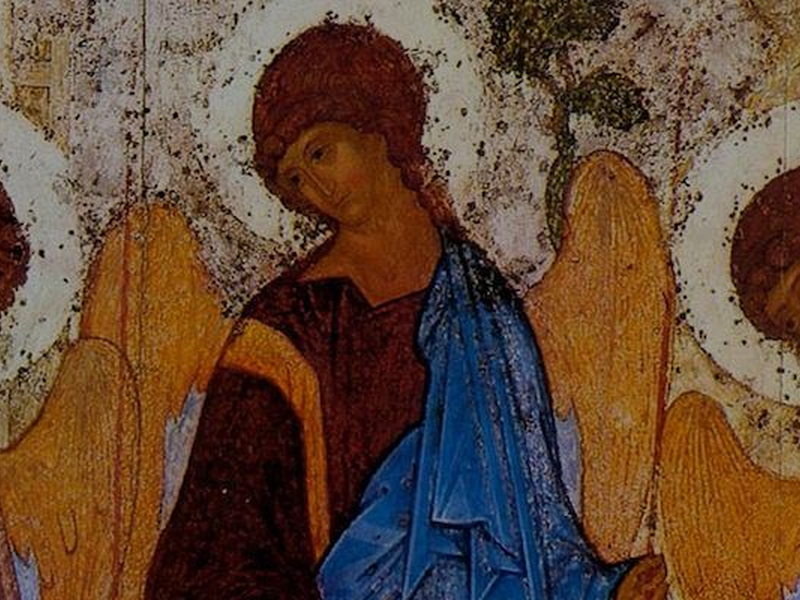
trinity-1-2
Trinity

Are the Divine Persons Persons?

The “personalist” understanding of the Trinity, articulated most influentially in the work of John Zizioulas, has fallen on hard times. Recent scholars have attacked Zizioulas’s idea that Cappadocian Trinitarianism represented an ontological revolution, hammering on the distinction between divine and human personhood. Michel Barnes’s conclusion is the most drastic of…

by Peter LeithartJune 16, 2016
img_4660-2
Architecture

On Biblical Theology

Biblical Theology is often defined as the historical unfolding of God’s revelation, or of God’s revelation and of the history of his covenantal redemption and transformation of humanity and the world. In practice, Biblical Theology is usually broader than this, and also includes the study of literary structure and of…

by James B. JordanJune 14, 2016
laughing_statue_by_xxbobbiie-d5f0meh-2
Humor

Wise Laughter

We are made to be happy. Created to enter into the eternal joy of God, our whole being inclines to that end, but the fallen world has put forth barriers and by our own sin we bar ourselves from that endless delight, and death blinds us to that reality. Yet…

by Remy WilkinsJune 7, 2016
img_7664
Liturgy

Why Theopolis? Take Two

At the end of Revelation, John sees the heavenly city descending to earth. The city shines with the brilliance of God's glory, which lightens the nations, so that kings bring their glory to the city. This is not a vision of the final new heaven and new earth. It's a…

by Peter LeithartJune 2, 2016
trinity-1-2
Attributes of God

How Can We Talk About God?

“No one has ever seen God,” writes John (John 1:18). If this is the case, then how can we speak about God? Some people say we actually cannot. Or at least we cannot speak about God positively, i.e. who He is. We can only say who or what God is…

by Bogumil JarmulakMay 31, 2016

Showing page 130 of 309

See all

Showing page 8 of 43

See all

Spirit, Charity, Grace

Peter Lombard argued (Book 1, distinction 17 of the Sentences ) that the Spirit is both the love by which God loves us and the origin of the love by which we love Him: “the Holy Spirit is the Love [amor] of the Father and the Son, by which They…

May 18, 2006
History

Dissent and Disestablishment

In another chapter of the same book, Larsen argues that British secularization promoted by Dissenters within England, and on specifically theological grounds. According to the “Protestant Dissenters’ Catechism” (published 1772, by Samuel Palmer), a church is “a congregation, or voluntary soceity of Christians, who meet together to attend gospel ordinances…

May 18, 2006
History

Strauss in England

In his book Contested Christianity (Baylor, 2004), Wheaton historian Timothy Larsen examines the reception of DF Strauss’s Life of Jesus in England. He suggests that only Darwin’s Origin of Species rivals Strauss’s book as a challenge to orthodoxy in Victorian England. Yet, the book’s impact had less to do with…

May 18, 2006

Road to Wittenberg revisited

In response to my comments about the “road to Rome” charge, Eric Enlow of Handong International Law School writes: “I would connect sacramentalism with the road to Rome for an empirical reason. The individuals that I have known who have been most interested in sacramentalism have converted to Roman Catholicism.…

May 16, 2006

Sermon Outline, Sixth Sunday of Easter

INTRODUCTION Manasseh undergoes a demonic “repentance”: Verse 3 says “he turned, he built,” using the Hebrew verb that normally designates repentance (“turn”). He “repents” of Hezekiah’s reforms. Because of this, the Lord determines to repeat in Jerusalem what he did in Shiloh (v. 12; cf. 1 Samuel 3:11; Jeremiah 19:3).…

May 15, 2006

Eucharistic Meditation, Fifth Sunday of Easter

2 Kings 20:8-11: Now Hezekiah said to Isaiah, What will be the sign that the Lord will heal me, and that I shall go up to the house of the Lord the third day? And Isaiah said, This shall be the sign to you from the Lord, that the Lord…

May 14, 2006

Showing page 1841 of 2212

Browse by Category

In Medias Res

Your weekly digest for all things Theopolis.

Donate

Theopolis is nearly 100% donor-supported. Consider joining us on our mission.