Theopolis Logo

Writing

Explore our collection of theological essays, biblical studies, and reflections on faith and culture.

See all
trnava-university-beeyeib-am8-unsplash
Biblical Chronology

Meredith G. Kline Strikes Back, Part 2

In our first essay we looked at Kline’s flawed exegesis of Genesis 2:5 as it relates to Day 3 of creation. Now we turn to Kline’s new argument against a chronological reading of Genesis 1, as found, again, in "Space and Time in the Genesis Cosmogony," Perspectives on Science and…

by James B. JordanMarch 29, 1997
30211-bathsheba-800w-tn
Hermeneutics

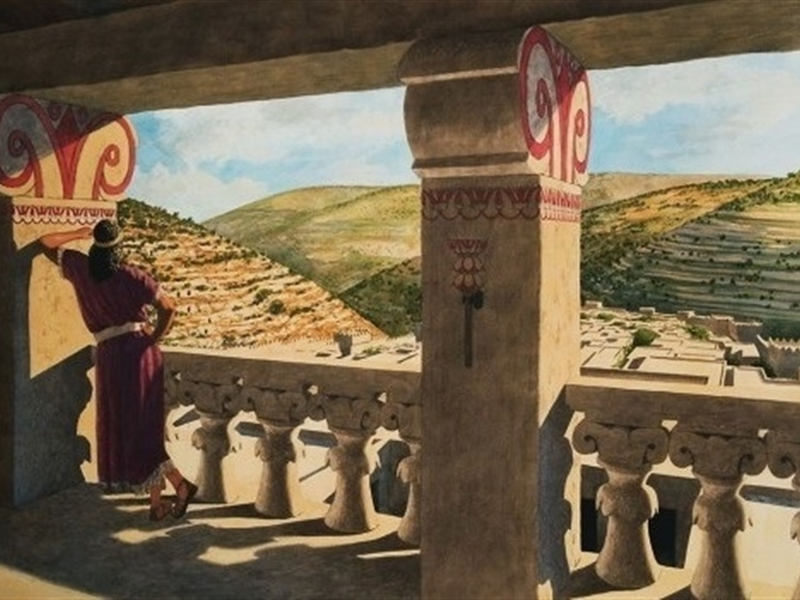
Bathsheba: The Real Story

One of the advantages of paying very close attention to the details in the Bible, especially chronological and genealogical details, is that they can shed light on situations that don’t seem to make much sense apart from them. One such situation is that of Bathsheba. It appears that Bathsheba willingly…

by James B. JordanMarch 28, 1997
jonathan-cooper-ygxq7hfdjzq-unsplash
Church Calendar

Is the Church Year Biblical? | A Parking Lot Parable

Once upon a time, Jeff Meyers and Tony Rollins–old friends who had not seen each other for a few years–met in the parking lot of a neighborhood church. They were dropping off their pre-school children at the church for Mother’s Day Out. They were such conscientious and helpful fathers. As…

by Jeff MeyersMarch 20, 1997
annie-spratt-upxf6to3fea-unsplash
Daniel

The Allegory of Susanna

Years ago, when I was at the briefly-existing Geneva Divinity School, I taught a course in the Apocrypha. One thing that struck me at that time is that two of the stories are almost certainly religious allegories (as well as moral tales): Judith and Susanna. Since "Susanna" means "Lily," this…

by James B. JordanFebruary 28, 1997
serafima-lazarenko-_ivuwprfczi-unsplash
Biblical Horizons

A Blossom of Yahweh’s Field

Peter’s essay inspires me to write up some similar thoughts about the flower of the field. Rightly does Peter associate the almond with Yahweh’s garden, because the Garden of Eden is symbolically positioned as parallel to the Holy Place of the Tabernacle and Temple. To wit: Since Aaron’s rod blossomed…

by James B. JordanFebruary 28, 1997
trnava-university-beeyeib-am8-unsplash
Biblical Chronology

Meredith G. Kline Strikes Back, Part 1

We have had occasion to discuss the views of Meredith G. Kline previously in these newsletters, and now it is time to do so again. Kline teaches at Gordon-Conwell Theological Seminary and also at the Westminster Theological Seminaries (Philadelphia and San Diego). He is the author of some interesting insights…

by James B. JordanFebruary 28, 1997

Showing page 259 of 309

See all

Showing page 8 of 43

See all
Theology

Milbank on Gift

INTRODUCTION To wind up our discussion of gift, we will cover three large concerns. First, we will examine Milbank’s work, particularly his essay “Can A Gift Be Given?”, to see how he handles the challenges thrown up by Derrida and Marion. Second, we will take some time to think about…

May 2, 2006
Literature

Bloom and Jesus

James Wood has his fun with Harold Bloom in his TNR review of Bloom’s recent Jesus and Yahweh . Wood offers this parody of a typical Bloomian sentence: “Only Don Quixote can rival the fat knight, Sir John Falstaff, and even Emerson at his strongest - stronger, here, even than…

May 2, 2006

Cost of Discipleship

Jerome Neyrey summarizes the effect of Jesus’ instruction to pray, give alms, and fast “in private” in terms of ancient honor systems: “In essence, the disciples must separate themselves from ‘their’ synagogues; they may not join other observant Judeans in publicly practicing almsgiving, prayer, and fasting. But inasmuch as these…

May 2, 2006

Impurity and caste

Mary Douglas has observed that “Levitical impurity is a fact of biology, common to all persons, and also a result of specific moral offences that anyone is liable to commit such as lying or stealing . . . Biblical impurity is of no use in demarcating advantaged social classes or…

May 2, 2006

Sermon Outline, Fourth Sunday of Easter

INTRODUCTION Hezekiah reverses the work of his father, Ahaz. As a result, the two kingdoms reunite under Hezekiah, who gathers people from “Beersheba even to Dan” to his Passover (2 Chronicles 30:6). In Hezekiah’s reign, the Davidic line experiences another renewal, as under Joash (2 Kings 11). THE TEXT “Now…

May 1, 2006

Devil’s opportuity

“Do not leg the sun go down on your anger, and do not give the devil an opportunity.” It sounds spooky and bizarre: Are we in danger of being haunted by some anger-demon? Once we remember that “diabolos” means “slanderer,” it’s no longer the stuff of horror movies. It’s a…

May 1, 2006

Showing page 1847 of 2212

Browse by Category

In Medias Res

Your weekly digest for all things Theopolis.

Donate

Theopolis is nearly 100% donor-supported. Consider joining us on our mission.