Theopolis Logo

Writing

Explore our collection of theological essays, biblical studies, and reflections on faith and culture.

See all
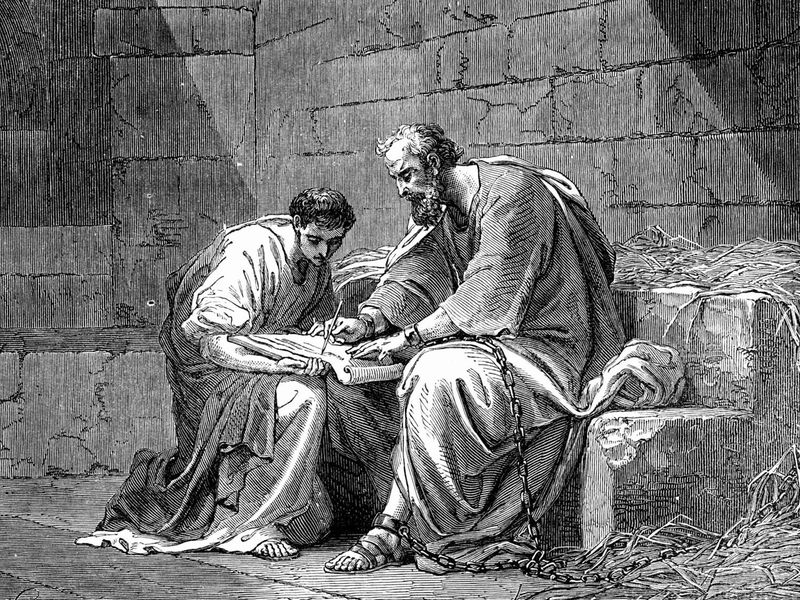
paul-the-apostle-epistle-prison-ephesians-2
Apostle Paul

Paul in Prison: Ephesus or Rome?

In the books of 1 and 2 Corinthians, Paul refers to hardships in his ministry in Asia, specifically Ephesus (1 Corinthians 4:9-13; 15:32; 2 Corinthians 1:8; 4:8-12; 6:4-5; 11:23-25). However, the multiple imprisonments Paul mentions are not fully reflected in Luke’s account of Paul’s ministry — Luke only records a…

by Ralph Allan SmithFebruary 15, 2022

steve-johnson-zby6td_nvna-unsplash
Epistemology

Vertical Living

After all these months pondering integration, I have come to the point of believing that the dynamic of integration just is the real at its heart. Everything that is real or comes to be real is a dynamo of integrative coherence. I also believe it is true that the real…

by Esther Lightcap MeekFebruary 1, 2022
i-had-sucked-every-book-009
Books

Tom Holland and the Liberating Power of Christianity

Have you heard of Tom Holland? Not the young Tom Holland of Spiderman fame. No doubt you’ve heard of him. I’m referring to the middle age Oxford-trained historian who recently wrote Dominion: The Making of the Western Mind . (Both Hollands are British, so you’ll be forgiven for confusing them.)…

by Gerald HiestandJanuary 25, 2022
e99a2225
Biblical Horizons

"Do This!"

This article was originally published in 1990. (The essay that follows concerns a rather touchy subject: how the Lord’s Supper is to be done. I am not writing to insult or offend, but to challenge. To that end I have not "held back" but have "gone ahead" and said what…

by James B. JordanJanuary 19, 2022
adam-and-eve-in-the-garden-of-eden-wenzel-peter
American Culture

The Dominion Trap

This article was originally published in 1990. In Genesis One, God told Adam and Eve to "be fruitful and multiply, and fill the earth, and subdue it; and rule over the fish of the sea and over the birds of the heavens, and over every living thing that moves on…

by James B. JordanJanuary 13, 2022
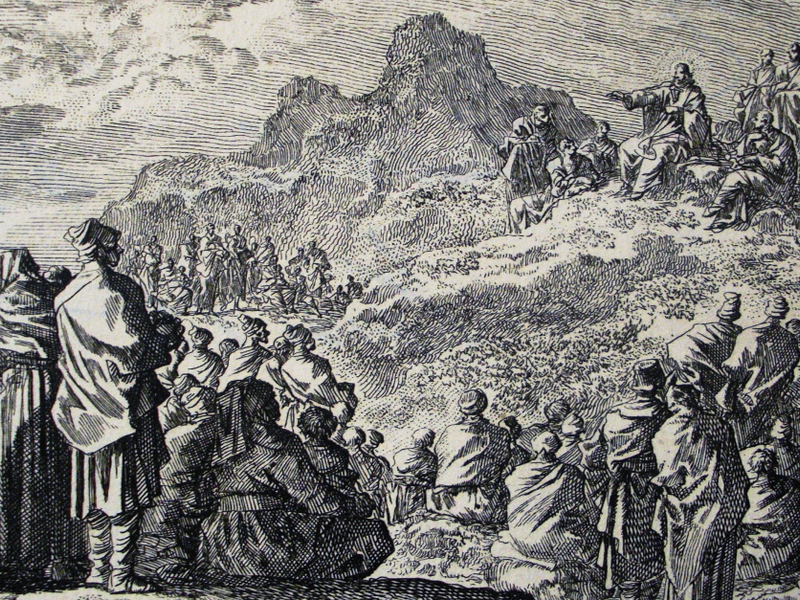
8226-sermon-on-the-mount-painting
Biblical Studies

Will Few Be Saved?

On several occasions the gospels record Jesus teaching that only a few will be saved (Matthew 7:14, Matthew 22:14, and Luke 13:23). Careful readers of Scripture should begin to wrestle with how these passages found in the gospels fit together with other passages that teach that many will be saved…

by Manny LucasJanuary 11, 2022

Showing page 47 of 309

See all

Showing page 8 of 43

See all

Objective/Subjective

McGrath notes that Augustine interpreted the genitive in the phrase “righteousness of God” in Rom 1 objectively, so that it was understood as the righteousness that God gives in saving sinners (in “making” them righteous). Ambrosiaster, as I pointed out in an earliet post, interpreted the genitive subjectively - the…

April 20, 2006

Old Perspective on Paul

Ambrosiaster writes, “Iustitia est Dei, quia quod promisit dedit, ideo credens hoc esse se consecutum quod promiserat Deus per prophetas suos, iustum Deum probat et testis est iustitiae eius” (PL, 17.56b). McGrath explains: “God, having promised to give salvation, subsequently gives it, and as a result is deemed to be…

April 20, 2006
History

Unfinished Reformation

Nevin wrote: “There is more a great deal in Christianity, I firmly believe, more in the idea of hte Holy Catholic Church, than has yet been attained, either in the way of knowledge or in the way of life, by the Protestant Reformation.”

April 20, 2006

Factitive Justification

There was a consensus among the theologians of Trent, McGrath argues, that justification was “factitive,” a view that excluded that “a sinner may be justified solely as a matter of reputation or imputation, while remaining a sinner in fact.” But of course that raises the question, What exactly is a…

April 20, 2006

True Lutherans

McGrath traces the odd development in Lutheran Orthodoxy of the notion that regeneration and faith precede justification in such a way that “where Luther had understood justification to concern the unbelieving sinner, orthodoxy revised this view, referring justification to the believing sinner.” This takes Lutheran Orthodoxy back in the direction…

April 20, 2006

Ontological change

McGrath notes, “While justification was universally understood to involve the regeneration of humanity, the opinion that an ontological change is thereby effected within humans is particularly associated with the period of High Scholasticism and the development of the concept of created grace. The earlier medieval theologians expressed the change effected…

April 20, 2006

Showing page 1854 of 2212

Browse by Category

In Medias Res

Your weekly digest for all things Theopolis.

Donate

Theopolis is nearly 100% donor-supported. Consider joining us on our mission.