Theopolis Logo

Writing

Explore our collection of theological essays, biblical studies, and reflections on faith and culture.

See all
little-girl
Children

Honor God With Your Body

I am making a new rule in our house! We are actually kind of skimpy on the house rules. I try very hard to keep things simple: love God, love others, be joyful. It’s not complicated to avoid discipline here. But I have found myself repeating this new rule over…

by Lindsey TollefsonApril 9, 2015
giotto-noli-me-3
John

The Gardener and the Beloved, (Part 3)

Click HERE for Part 2 The voice of Jesus transforms and changes Mary when she hears him speak her name. This is her last “turning.” So also the woman in the Song of Songs longs to hear the voice of her beloved. Let me see your face, let me hear…

by Jeff MeyersApril 6, 2015
giotto-noli-me-2
John

The Gardener and the Beloved, (Part 2)

Click HERE for Part 1. The details of this story call the attentive reader back to the drama of Solomon’s Song of Songs. And the Song of Song’s alludes to, ties us into the story of Adam and Eve in the Garden and the promise of a coming Messiah that…

by Jeff MeyersApril 4, 2015
easter-term-2015-2
Theopolis News

Easter Term, 2015

“The course was a paradigm shift for me,” said Jonathan Sedlak, a Milwaukee electrical contractor who attended Theopolis’s course on Revelation. “I am left with a book that is far more practical than it has ever seemed before.” Jonathan Anderson of Louisville, Kentucky found the course “refreshing.” “I finished with…

by TheopolisApril 2, 2015
psalm-singing
Genesis

Worship as Response: Liturgical Logic, (Part 1)

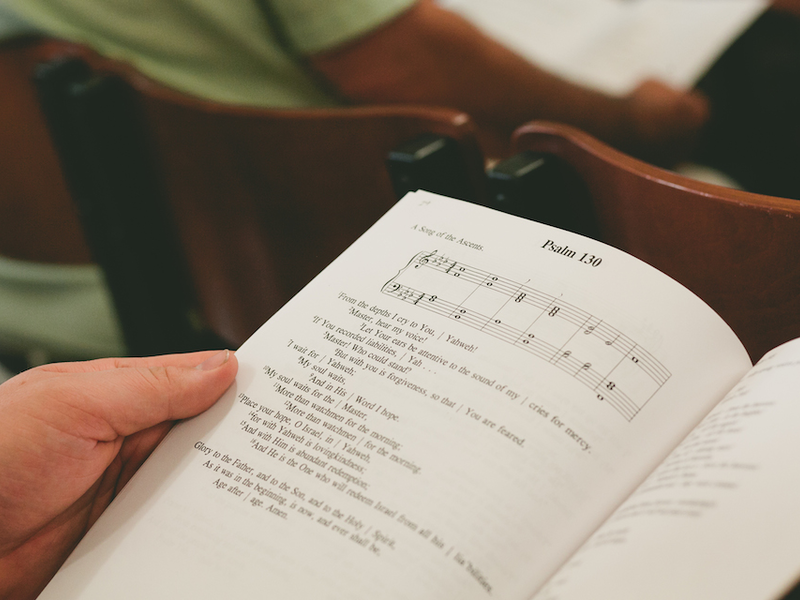
“It is only by participation in a rational, practice-based community that one becomes rational.” – Alasdair MacIntyre It may be perfectly clear to a chef why adding unsifted powdered sugar to a hot frosting is a bad idea. But for an amateur cook, this may be the kind of rule…

by Jonathan BarlowApril 2, 2015
giotto-noli-me
John

The Gardener and the Beloved, (Part 1)

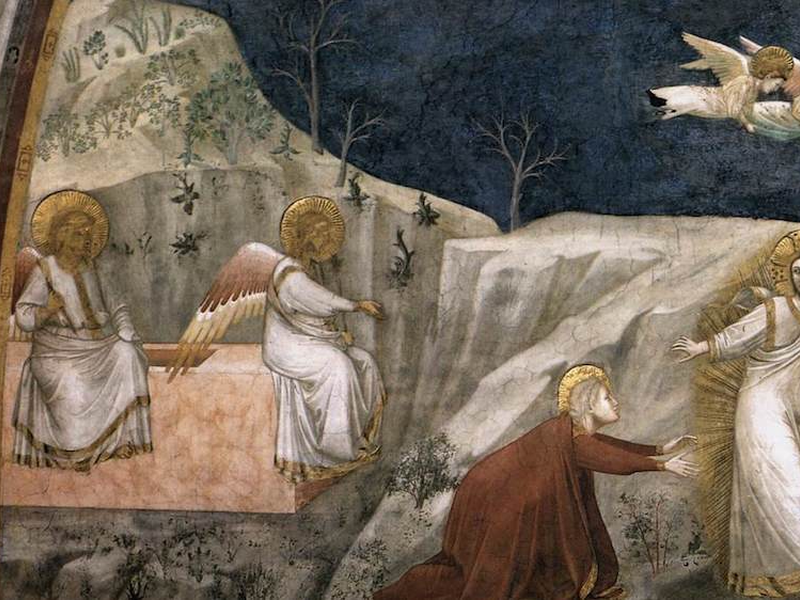
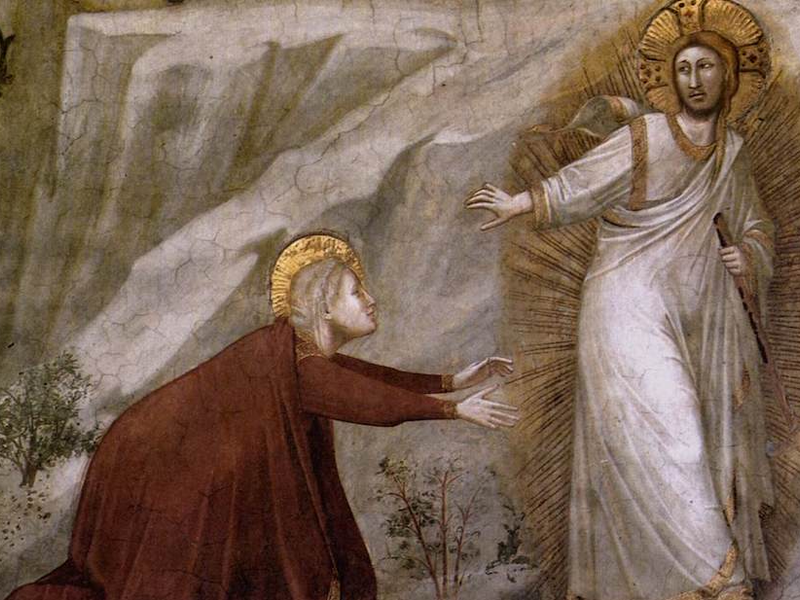
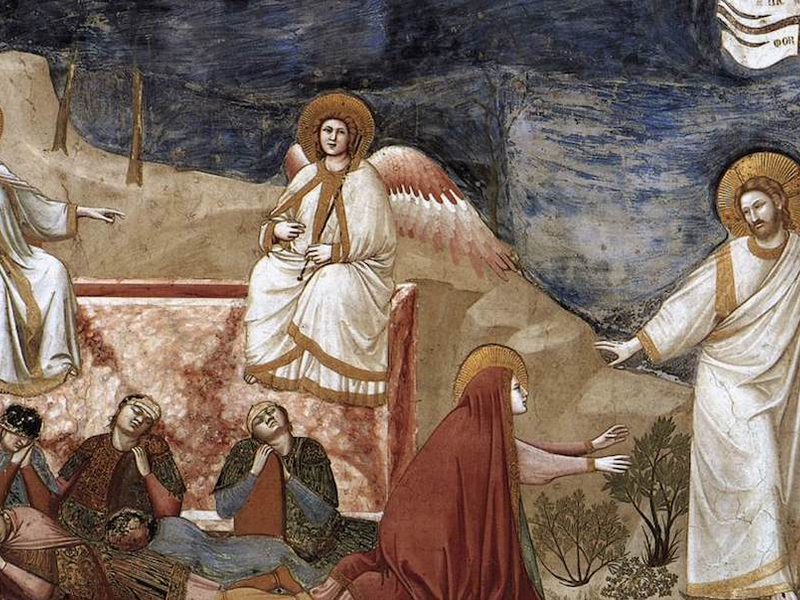
On a fresco in a chapel in Padua, Italy, there is a famous painting depicting the dramatic post-resurrection scene in John 20 with Mary and Jesus outside of the garden tomb. Giotto di Bondone painted it in the early 14th century. Jesus is striding from the tomb with a victor’s…

by Jeff MeyersApril 1, 2015

Showing page 156 of 309

See all

Showing page 8 of 43

See all

Covenant lawsuit

John’s gospel is a contentious courtroom of a gospel. Legal language dominates the whole gospel - witnesses are called, Jesus promises an advocate, the Jews are constantly trying to put Jesus in the dock. But the whole gospel is really the trial of the Jews, just as what appears to…

February 28, 2006

Hidden Hero

Homer’s prologue to the Odyssey delays the identification of the hero until the end of the prologue, a literary sign that this hero comes hidden, disguised, in craft. That, of course, is precisely how Odysseus behaves throughout the epic. John’s gospel begins with similar techniques. We learn about the Word…

February 28, 2006
Literature

Coriolanus and Christ

Shakespeare’s Coriolanus can be read as dramatizing the Augustinian perspective most recently articulated by Oliver O’Donovan, namely, that “within every political society there occurs, implicitly, an act of worship of divine rule.” Through his dramatization of Roman society, Shakespeare points to another act of worship that constitutes a different sort…

February 28, 2006
Philosophy

J. L. Austin, Deconstructionist?

JL Austin famously distinguished between “performative” and “constative” utterances, the former of which perform the action to which they refer and the latter of which make assertions that can be judged as true or false. Modern philosophy has treated the constative as the norm, and performatives, if considered at all,…

February 28, 2006
Philosophy

structuralism, linguistic and other

How did the linguistic theory of Saussure become a model for anthropologists, sociologists, and analysts of pop culture? Jonathan Culler suggests that this move rests on “two fundamental insights: first, that social and cultural phenomena are not simply material objects or events but objects or events iwth meaning, and hence…

February 27, 2006
Philosophy

Anthropologized science

Foucault, in Canguilhem’s summary, argues that an anthropologization of the sciences took place in the late eighteenth and early nineteenth century, when Kantian philosophy combined with biology, economics, and linguistics to raise the question What is Man? Foucault argues: “From the moment when life, work, and language ceased to be…

February 27, 2006

Showing page 1874 of 2212

Browse by Category

In Medias Res

Your weekly digest for all things Theopolis.

Donate

Theopolis is nearly 100% donor-supported. Consider joining us on our mission.