Theopolis Logo

Writing

Explore our collection of theological essays, biblical studies, and reflections on faith and culture.

See all
little-girl
Children

Honor God With Your Body

I am making a new rule in our house! We are actually kind of skimpy on the house rules. I try very hard to keep things simple: love God, love others, be joyful. It’s not complicated to avoid discipline here. But I have found myself repeating this new rule over…

by Lindsey TollefsonApril 9, 2015
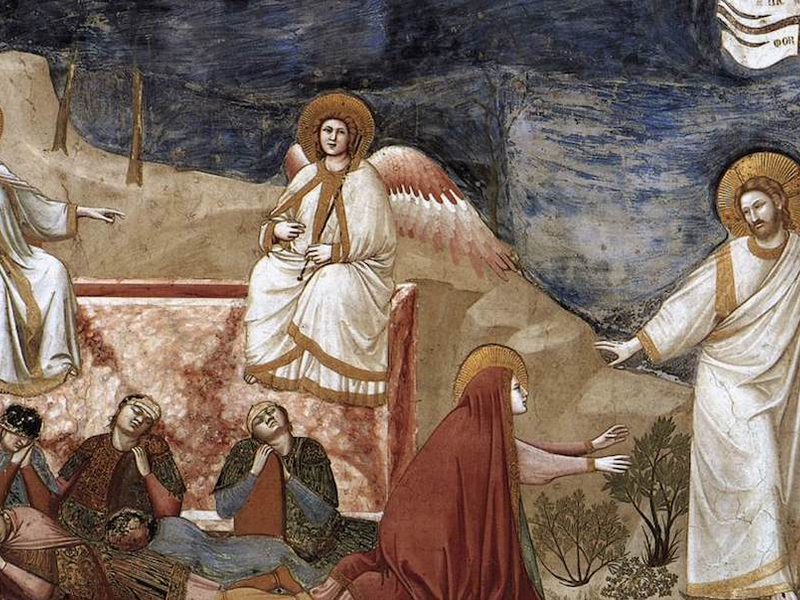
giotto-noli-me-3
John

The Gardener and the Beloved, (Part 3)

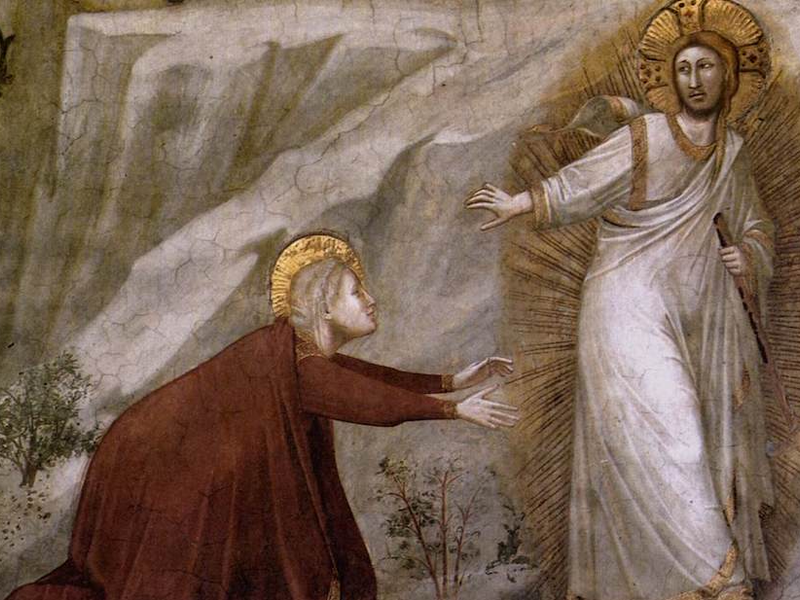
Click HERE for Part 2 The voice of Jesus transforms and changes Mary when she hears him speak her name. This is her last “turning.” So also the woman in the Song of Songs longs to hear the voice of her beloved. Let me see your face, let me hear…

by Jeff MeyersApril 6, 2015
giotto-noli-me-2
John

The Gardener and the Beloved, (Part 2)

Click HERE for Part 1. The details of this story call the attentive reader back to the drama of Solomon’s Song of Songs. And the Song of Song’s alludes to, ties us into the story of Adam and Eve in the Garden and the promise of a coming Messiah that…

by Jeff MeyersApril 4, 2015
easter-term-2015-2
Theopolis News

Easter Term, 2015

“The course was a paradigm shift for me,” said Jonathan Sedlak, a Milwaukee electrical contractor who attended Theopolis’s course on Revelation. “I am left with a book that is far more practical than it has ever seemed before.” Jonathan Anderson of Louisville, Kentucky found the course “refreshing.” “I finished with…

by TheopolisApril 2, 2015
psalm-singing
Genesis

Worship as Response: Liturgical Logic, (Part 1)

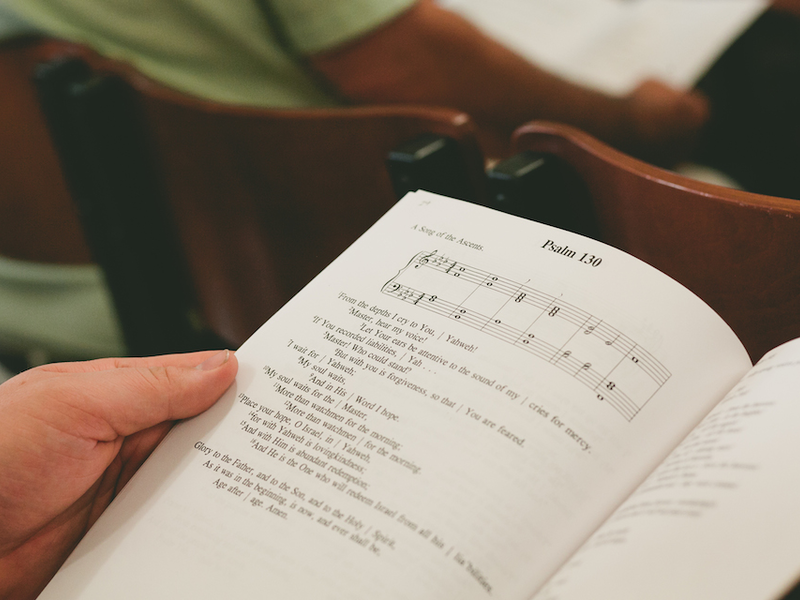
“It is only by participation in a rational, practice-based community that one becomes rational.” – Alasdair MacIntyre It may be perfectly clear to a chef why adding unsifted powdered sugar to a hot frosting is a bad idea. But for an amateur cook, this may be the kind of rule…

by Jonathan BarlowApril 2, 2015
giotto-noli-me
John

The Gardener and the Beloved, (Part 1)

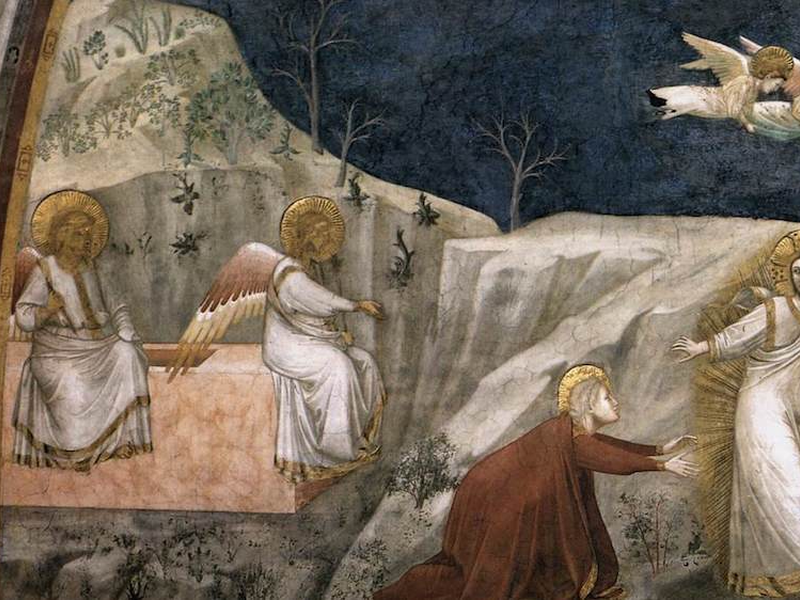
On a fresco in a chapel in Padua, Italy, there is a famous painting depicting the dramatic post-resurrection scene in John 20 with Mary and Jesus outside of the garden tomb. Giotto di Bondone painted it in the early 14th century. Jesus is striding from the tomb with a victor’s…

by Jeff MeyersApril 1, 2015

Showing page 156 of 309

See all

Showing page 8 of 43

See all

Calvin on Signs

A remarkable statement of Calvin’s, from Institutes 4.14.18: speaking of the tree of knowledge and of the rainbow, Calvin says that these are given new being by the word of God that designates them as signs or testimonies. Then this Et antea quidem arbor erat arbor, arcus arcus; ubi inscripta…

February 12, 2004

Moral Luck and the Fragility of the Good Life

In Nussbaum’s treatment, “tragic” and “Aristotelian” conceptions of moral luck and the fragility of the good life are at one. In excluding poets, Plato not only kept certain forms of literature at bay, but was protecting against the tragic potential of life. For Plato, “the best and most valuable things…

February 12, 2004
Philosophy

Moral Luck

Nussbaum’s problematic of moral luck is quite intriguing: A good man is like a tree, she says at the beginning, quoting Pindar. But that means that the good man is dependent for his flourishing on all kinds of things beyond his control ?Erainfall, winds, sun, and so on and on.…

February 11, 2004
Theology

The Sophist Critique of Nomos

Should theology agree with the sophist critique of nomos ? It would seem so, as Thomas would say: The institutions of society are the product of human construction, and the claim that they are rooted in “nature” is a rhetorical device. It is human all the way down. If it…

February 11, 2004
Economics

The Weber Thesis

Years ago, I read David Landes’s Prometheus Unbound for a class in economic history, and I can still remember the fascination I experienced at his descriptions of the steel industry (though details are sadly forgotten). In his recent Wealth and Poverty of Nations , Landes, among many other things, spends…

February 11, 2004

“Nomos” in Greek Culture

There is further evidence concerning the meaning of nomos in Greek culture, coming from Martha Nussbaum’s Fragility of Goodness . In a discussion of Euripides’s Hecuba , Nussbaum points out that Polyxena, Hecuba’s daughter who is offered as a human sacrifice by the Greeks to appease the shade of Achilles,…

February 11, 2004

Showing page 2122 of 2212

Browse by Category

In Medias Res

Your weekly digest for all things Theopolis.

Donate

Theopolis is nearly 100% donor-supported. Consider joining us on our mission.