
Theopolis Logo

Writing

Explore our collection of theological essays, biblical studies, and reflections on faith and culture.

See all
nativity-2
Advent

Joyful Humility

Christmas is a joyful season, but for many it turns into something else. Instead of joy, it is full of disappointment and unhappiness. Instead of an occasion for family fellowship, it becomes an opportunity for opening old wounds, reigniting old arguments, giving new life to rancor that should have died…

by Peter LeithartDecember 19, 2016
sagradafamilia-crop
Biblical Theology

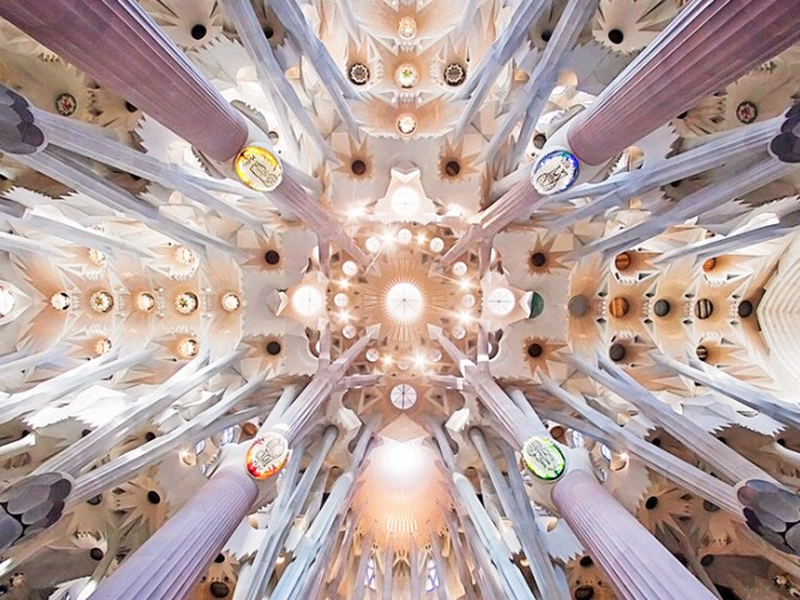
Systematic Typology (Part Five)

The Temple of Time The “covenant-literary matrix” of the Bible is not a pattern imposed upon the text, but the internal logic of its arrangement. This fundamental structure, functioning at multiple levels simultaneously, is a ceaseless reiteration of God’s primary theme. It is an algorithm forged in the furnace of…

by Mike BullDecember 16, 2016
img_1456
Hermeneutics

Exodus in 1 Kings

In the four hundred and eightieth year after the Exodus, Solomon began to build the temple of the Lord in Jerusalem. [1] That the author of Kings should date the start of the building of the temple from the Exodus is noteworthy. In Exodus 15:17, in Moses’ song following the…

by Alastair RobertsDecember 8, 2016
cross-grunwald
Cross

How Mist Gains Weight

Philip Schaff, a German Reformed theologian, states in The Principle of Protestantism that the material principle of Protestantism is “the doctrine of the justification of the sinner before God by the merit of Christ alone through faith.” This is the core message of the Church which leads “to the abandonment…

by Bogumil JarmulakDecember 6, 2016
mountain-top
Biblical Theology

Jesus and Godel's Theorem

“Religion” is an attempt to create or build a tower with a top, or to build a temple that is self-contained. The story of The Tower of Babel in Genesis 11 is the story of mankind’s attempt to create a world that is self-contained and does not need God. All…

by Richard BledsoeDecember 1, 2016
four-evangelists
Matthew

Dating Matthew, (Part 2)

In the first essay in this series, I presented a case for dating Matthew before AD 70, contrary to the present scholarly consensus. In this essay, I intend to present cultural, personal, ecclesiological, and theological arguments for a very early date for Matthew. [1] The cultural argument concerns literacy in…

by Ralph Allan SmithNovember 29, 2016

Showing page 121 of 309

See all

Showing page 8 of 43

See all

Preflood Generation (Luke 17:27)

Jesus describes the activities of the unsuspecting preflood generation by listing four activities (Lk 17:27): eating and drinking marrying and giving in marriage. He then describes the activities of the unsuspecting residents of Sodom by listing six activities (Lk 17:28): eating and drinking buying and selling planting and building. Several…

January 26, 2004
Media

James Welch

There’s an intriguing review of the work of James Welch in the January 26 Weekly Standard . Welch, who died last year, was a Montana-based poet and novelist, known as an “Indian poet” and “Indian novelist” for his focus on the lives and history of American Indians. The interest of…

January 26, 2004

Exhortation, January 25

Exhortation for January 25: Jesus concluded the parable of the “unjust steward” by saying, “He who is faithful in a very little thing is faithful also in much; and he who is unrighteous in a very little thing is unrighteous also in much.” Though Jesus’ words have a particular application…

January 25, 2004

Eucharistic Meditation, January 25

Eucharistic meditation for January 25: Acts 2:41-47 In the book of Acts, we see the early church carrying out Jesus’ instructions regarding the proper use of wealth. After the Spirit was poured out on Pentecost, and 3000 were saved, the disciples begin to sell their possessions in order to share…

January 25, 2004

Baptismal Meditation, January 25

Baptismal meditation for January 25: Matthew 18:1-6 This passage in Matthew is parallel to the first part of Matthew 17 in our sermon text. As I mentioned in the sermon, Jesus’ reference to “little ones” in Luke 17 is not referring to little children, but to lowly people like Lazarus.…

January 25, 2004

Civilization and Orifices

Becoming civilized is a matter of gaining control over the body, and this bodily control is largely centered, as Mary Douglas recognized, on orifices. Infants have no control over their sphincters: They can’t hold urine or faeces, they fart and burp at inappropriate moments, they regurgitate milk and don’t care…

January 25, 2004

Showing page 2132 of 2212

Browse by Category

In Medias Res

Your weekly digest for all things Theopolis.

Donate

Theopolis is nearly 100% donor-supported. Consider joining us on our mission.









