Theopolis Logo

Writing

Explore our collection of theological essays, biblical studies, and reflections on faith and culture.

See all
cloister

Gatekeepers

1 Chronicles 9:1 seems to bring the genealogies of 1 Chronicles to an end. The Chronicler has recorded the genealogy of the human race from Adam, focusing on the descendants of Abraham through Jacob. Summing it all up, he says, “So all Israel was enrolled by genealogies; and behold, they…

by Peter LeithartJune 21, 2016
trinity-1-2
Trinity

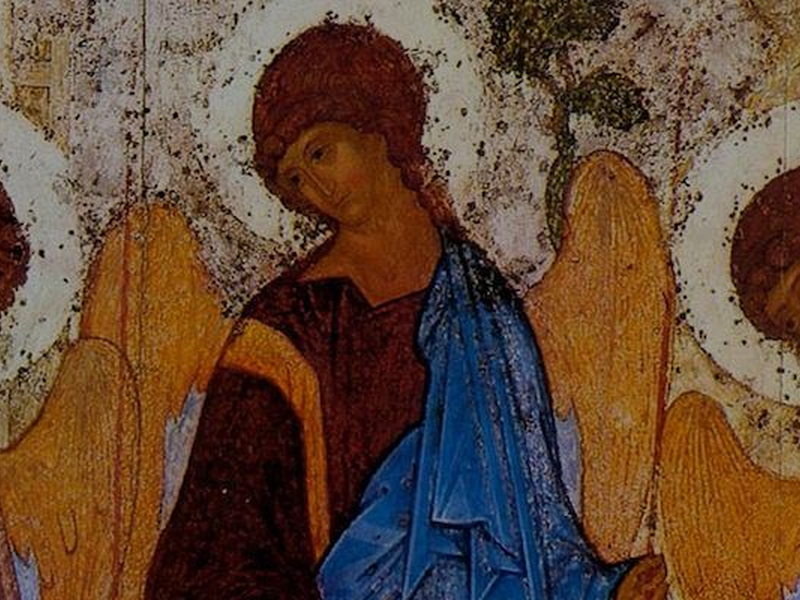
Are the Divine Persons Persons?

The “personalist” understanding of the Trinity, articulated most influentially in the work of John Zizioulas, has fallen on hard times. Recent scholars have attacked Zizioulas’s idea that Cappadocian Trinitarianism represented an ontological revolution, hammering on the distinction between divine and human personhood. Michel Barnes’s conclusion is the most drastic of…

by Peter LeithartJune 16, 2016
img_4660-2
Architecture

On Biblical Theology

Biblical Theology is often defined as the historical unfolding of God’s revelation, or of God’s revelation and of the history of his covenantal redemption and transformation of humanity and the world. In practice, Biblical Theology is usually broader than this, and also includes the study of literary structure and of…

by James B. JordanJune 14, 2016
laughing_statue_by_xxbobbiie-d5f0meh-2
Humor

Wise Laughter

We are made to be happy. Created to enter into the eternal joy of God, our whole being inclines to that end, but the fallen world has put forth barriers and by our own sin we bar ourselves from that endless delight, and death blinds us to that reality. Yet…

by Remy WilkinsJune 7, 2016
img_7664
Liturgy

Why Theopolis? Take Two

At the end of Revelation, John sees the heavenly city descending to earth. The city shines with the brilliance of God's glory, which lightens the nations, so that kings bring their glory to the city. This is not a vision of the final new heaven and new earth. It's a…

by Peter LeithartJune 2, 2016
trinity-1-2
Attributes of God

How Can We Talk About God?

“No one has ever seen God,” writes John (John 1:18). If this is the case, then how can we speak about God? Some people say we actually cannot. Or at least we cannot speak about God positively, i.e. who He is. We can only say who or what God is…

by Bogumil JarmulakMay 31, 2016

Showing page 130 of 309

See all

Showing page 8 of 43

See all

Jacob Have I Loved

W illiam Johnstone points out in the first volume of his commentary on 1 & 2 Chronicles that the Chronicler's (C) list of the kings of Edom oddly repeats the phrase “then king so-and-so died and there reigned in his place” seven times. In part, this places greater stress on…

June 23, 2016

Jesus the Teacher

I f not unique, Robert Banks's Reenvisioning Theological Education is a rarity among studies of theological education in the amount of attention he devotes to biblical models of education and training. In reviewing recent literature on efforts to rethink seminary education, he notes again and again that little attention is…

June 23, 2016

Fulfilling Paganism

R obert Pogue Harrison ( The Dominion of the Dead ) spends several pages on Walter Pater's novel, Marius the Epicurean . A deathbed convert to Christianity, Marius is struck in his first encounter with the church by the continuities between Christianity and the oldest of Roman religions, the religion…

June 22, 2016

Ancient Memory

R emember the poor,” Paul told the Galatians. But what did that mean? Peter Brown ( The Ransom of the Soul: Afterlife and Wealth in Early Western Christianity , 39-40) explains that “For early Christians, as for many other ancient persons, memory was far more than a passive storage space.…

June 22, 2016

Attention Deficit

A ccording to Lily Gurton-Wachter's Watchwords: Romanticism and the Poetics of Attention , “the first documentation of the disorder we now call Attention Deficit Hyperactivity Disorder” is found in “a medical text published in London in 1798.” Scottish physician Alexander Crichton described the “morbid alterations to which attention is subject”…

June 22, 2016

Can An Architect Save Us?

R obert Pogue Harrison calls the twentieth century “the fitful and prolonged continuation of a process that began in earnest a century earlier: the end of the Neolithic era” ( Dominion of the Dead , 31). One might think that we left the Neolithic a long time ago, but Harrison…

June 21, 2016

Showing page 276 of 2212

Browse by Category

In Medias Res

Your weekly digest for all things Theopolis.

Donate

Theopolis is nearly 100% donor-supported. Consider joining us on our mission.