Theopolis Logo

Writing

Explore our collection of theological essays, biblical studies, and reflections on faith and culture.

See all
cloister

Gatekeepers

1 Chronicles 9:1 seems to bring the genealogies of 1 Chronicles to an end. The Chronicler has recorded the genealogy of the human race from Adam, focusing on the descendants of Abraham through Jacob. Summing it all up, he says, “So all Israel was enrolled by genealogies; and behold, they…

by Peter LeithartJune 21, 2016
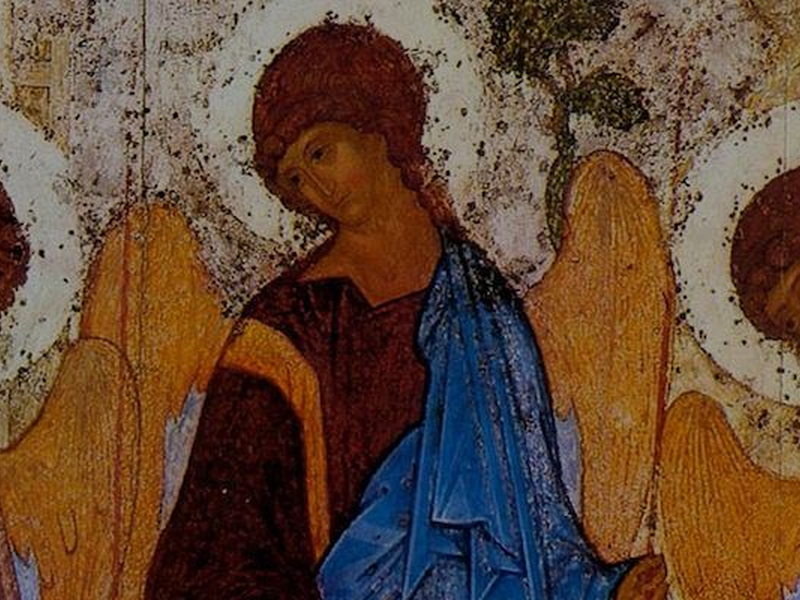
trinity-1-2
Trinity

Are the Divine Persons Persons?

The “personalist” understanding of the Trinity, articulated most influentially in the work of John Zizioulas, has fallen on hard times. Recent scholars have attacked Zizioulas’s idea that Cappadocian Trinitarianism represented an ontological revolution, hammering on the distinction between divine and human personhood. Michel Barnes’s conclusion is the most drastic of…

by Peter LeithartJune 16, 2016
img_4660-2
Architecture

On Biblical Theology

Biblical Theology is often defined as the historical unfolding of God’s revelation, or of God’s revelation and of the history of his covenantal redemption and transformation of humanity and the world. In practice, Biblical Theology is usually broader than this, and also includes the study of literary structure and of…

by James B. JordanJune 14, 2016
laughing_statue_by_xxbobbiie-d5f0meh-2
Humor

Wise Laughter

We are made to be happy. Created to enter into the eternal joy of God, our whole being inclines to that end, but the fallen world has put forth barriers and by our own sin we bar ourselves from that endless delight, and death blinds us to that reality. Yet…

by Remy WilkinsJune 7, 2016
img_7664
Liturgy

Why Theopolis? Take Two

At the end of Revelation, John sees the heavenly city descending to earth. The city shines with the brilliance of God's glory, which lightens the nations, so that kings bring their glory to the city. This is not a vision of the final new heaven and new earth. It's a…

by Peter LeithartJune 2, 2016
trinity-1-2
Attributes of God

How Can We Talk About God?

“No one has ever seen God,” writes John (John 1:18). If this is the case, then how can we speak about God? Some people say we actually cannot. Or at least we cannot speak about God positively, i.e. who He is. We can only say who or what God is…

by Bogumil JarmulakMay 31, 2016

Showing page 130 of 309

See all

Showing page 8 of 43

See all

The “N” in NGO

N ongovernmental organizations have been on my radar since I heard a pro-family activist from Ireland describe the array of forces pressing for approval of same-sex marriage—many political leaders, business leaders, some church leaders, and NGOs. Where, I wondered, do these NGOs get their resources? Who is actually funding these…

June 19, 2015

More on the “N” in NGO

According to the Agenda Europe web site , the gay rights network ILGA Europe receives most of its funding from the European Commission. To receive the funding, ILGA has to coordinate its planning with the commission, which means that “this self-described “non-governmental” organization actually appears to be something like an…

June 19, 2015

Notes Toward a Theology of Works

D iscussions of the place of good works ( erga ) in the Christian life often focus on Pauline sources. Johannine texts are equally important, and there are few passages richer in resources for a theology of works (perhaps a theology of human action) than the letters to the churches…

June 18, 2015

Evangelicals and Catholics

B efore Roe , before the culture wars, before the 60s, Will Herberg was observing social dynamics that, he argued, would initially put Protestants and Catholics more sharply at odds but eventually push them together. The key shift was the move of Catholics into the mainstream of American middle-class life.…

June 18, 2015

Enthronement

The verb “sit” ( kathemai ) is used thirty-three times in Revelation, often explicitly with the connotation of enthronement. A dozen or more times God is said to be the “One seated” (4:2-3, 9-10; 5:1, 7, 13; 6:16; 7:10, 15; 19:4; 20:11; 21:5), and twice John sees twenty-four elders enthroned…

June 18, 2015

Eating Doritos

T amar Adler reviews Mark Schatzker's The Dorito Effect in a recent edition of NYTBR . It's another book about food, but Schatzker traces the problems with food back to breeding of plants and animals. In Adler's summary: “Over the last 70 years, American animal and plant breeding has focused…

June 18, 2015

Showing page 410 of 2212

Browse by Category

In Medias Res

Your weekly digest for all things Theopolis.

Donate

Theopolis is nearly 100% donor-supported. Consider joining us on our mission.