Theopolis Logo

Writing

Explore our collection of theological essays, biblical studies, and reflections on faith and culture.

See all
paul-2
Romans

Notes on Scary Stuff in Romans 9

What shall we say then? Is there injustice on God’s part? By no means! For he says to Moses, “I will have mercy on whom I have mercy, and I will have compassion on whom I have compassion.” So then it depends not on human will or exertion, but on…

by Mark HorneFebruary 5, 2015
lunch-counter
American Politics

Covenants of Exclusion

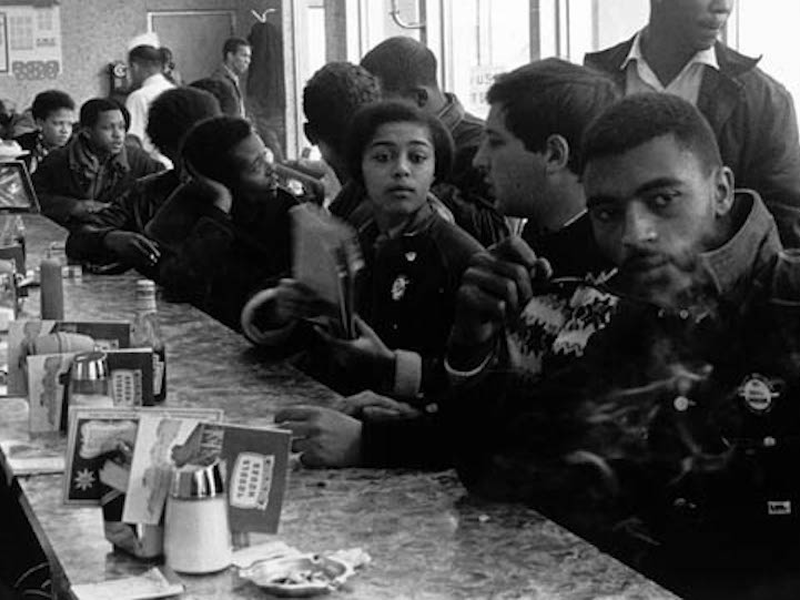
A hundred years ago, William Warley signed a contract to buy a house in Louisville, Kentucky from Charles Buchanan, a white man. Before closing the sale, Warley, who was black, learned that the lot was subject to a city ordinance barring blacks from occupying the premises if most of the…

by Brendan O'DonnellFebruary 3, 2015
shakespeare-2
Literature

The Bard and the Book

I concluded the first essay on this topic by saying that I would introduce three books about Shakespeare and the Bible, but I decided to introduce four instead. The three books become four are: Naseeb Shaheen, Biblical References in Shakespeare’s Plays (London: Associated University Presses, 1999) ; Hannibal Hamlin, The…

by Ralph Allan SmithJanuary 29, 2015
augustine-2
Augustine

Augustine on Pagan Virtue

My children attend a classical Christian school, situated in the independent “free church” evangelical tradition. Over the past few years they have been growing in their acquaintance with the world of Homer, Plato, Virgil, and Livy. They enjoy it, and I envy it. The school is a great school. My…

by Gerald HiestandJanuary 27, 2015
prodigal-son
Atonement

The Prodigal and the Cross

The Prodigal Son parable (Luke 15) has been a favorite of liberal theologians for a couple of centuries. It seems to be a parable designed for liberal sensibilities: An indulgent, accepting Father; forgiveness extended without a cross; a surly older brother who might represent the "conservative" face of religion who…

by Peter LeithartJanuary 22, 2015
sky-from-bridge
Ascension

Underground Man, Ascended Man

“I want now to tell you, gentlemen, whether you care to hear it or not, why I could not even become an insect. I tell you solemnly, that I have many times tried to become an insect. But I was not equal even to that. I swear, gentlemen, that to…

by Richard BledsoeJanuary 20, 2015

Showing page 161 of 309

See all

Showing page 8 of 43

See all

Yahweh the Teacher

Genesis 1 presents a macro-creation, Genesis 2 a micro-creation. The latter follows the former, for humanity is micro-cosmic. The Spirit hovers over waters, and water arises to water the ground. God speaks light into existence, and by the same breath He makes Adam a living soul. Day 1. Yahweh forms…

April 8, 2015
Liturgy

Omnivorous Liturgy

We stand, we kneel, we sit, we stand, we kneel. The postures of liturgy write “upon the bodies of those who perform it frequently a habit of acting as an unworthy recipient of a prevenient gift” (Paul Griffiths, Decreation , 232). By developing the habits that the liturgy impresses on…

April 7, 2015

The Primacy of Pattern

“When we do science,” writes William Dembski in his Being As Communion (85), “we don't encounter matter in its raw state nor do we encounter sensory experiences in their raw state. Rather, we encounter certain patterns to the exclusion of others. In other words, we encounter information. The material and…

April 7, 2015

World-Making Word

The Creator God is a speaker, who speaks to form the formless, dark, and empty void into the structured and glorious cosmos. As images of the world-making God who speaks, we also make worlds with words. Genesis 1 provides a paradigm, an allegory of world-making words. In the darkness, words…

April 7, 2015

When Stars Fall

NT Wright has insisted over the years that the apocalyptic language of the gospels (Matthew 24; Mark 13; Luke 21) doesn't refer to the end of the space-time universe but to the end of a socio-political order. Edward Adams dissents in his 2007 The Stars Will Fall From Heaven .…

April 6, 2015

More Than Anxiety

Laura Pelaschiar's forthcoming Joyce/Shakespeare collects essays that explore the various facts of Joyce's use, misuse, criticism, and combat with Shakespeare. She observes that “Shakespeare’s existence in Joyce is tentacular and functions on many different levels: cultural, structural, political, thematic, contrapuntal, imitational, quotational/misquotational, stylistic, lexical, psychological, or psycholiterary.” Joyce's reception of…

April 6, 2015

Showing page 443 of 2212

Browse by Category

In Medias Res

Your weekly digest for all things Theopolis.

Donate

Theopolis is nearly 100% donor-supported. Consider joining us on our mission.