Theopolis Logo

Writing

Explore our collection of theological essays, biblical studies, and reflections on faith and culture.

See all
cloister

Gatekeepers

1 Chronicles 9:1 seems to bring the genealogies of 1 Chronicles to an end. The Chronicler has recorded the genealogy of the human race from Adam, focusing on the descendants of Abraham through Jacob. Summing it all up, he says, “So all Israel was enrolled by genealogies; and behold, they…

by Peter LeithartJune 21, 2016
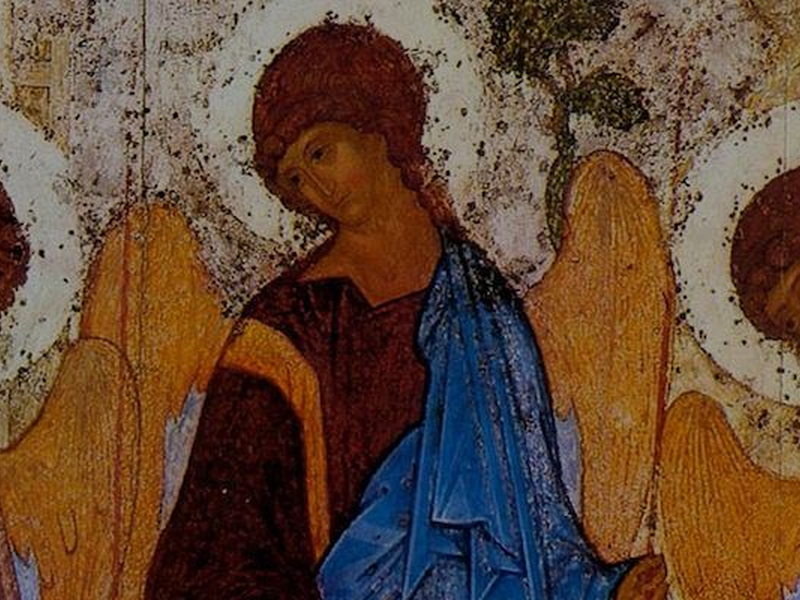
trinity-1-2
Trinity

Are the Divine Persons Persons?

The “personalist” understanding of the Trinity, articulated most influentially in the work of John Zizioulas, has fallen on hard times. Recent scholars have attacked Zizioulas’s idea that Cappadocian Trinitarianism represented an ontological revolution, hammering on the distinction between divine and human personhood. Michel Barnes’s conclusion is the most drastic of…

by Peter LeithartJune 16, 2016
img_4660-2
Architecture

On Biblical Theology

Biblical Theology is often defined as the historical unfolding of God’s revelation, or of God’s revelation and of the history of his covenantal redemption and transformation of humanity and the world. In practice, Biblical Theology is usually broader than this, and also includes the study of literary structure and of…

by James B. JordanJune 14, 2016
laughing_statue_by_xxbobbiie-d5f0meh-2
Humor

Wise Laughter

We are made to be happy. Created to enter into the eternal joy of God, our whole being inclines to that end, but the fallen world has put forth barriers and by our own sin we bar ourselves from that endless delight, and death blinds us to that reality. Yet…

by Remy WilkinsJune 7, 2016
img_7664
Liturgy

Why Theopolis? Take Two

At the end of Revelation, John sees the heavenly city descending to earth. The city shines with the brilliance of God's glory, which lightens the nations, so that kings bring their glory to the city. This is not a vision of the final new heaven and new earth. It's a…

by Peter LeithartJune 2, 2016
trinity-1-2
Attributes of God

How Can We Talk About God?

“No one has ever seen God,” writes John (John 1:18). If this is the case, then how can we speak about God? Some people say we actually cannot. Or at least we cannot speak about God positively, i.e. who He is. We can only say who or what God is…

by Bogumil JarmulakMay 31, 2016

Showing page 130 of 309

See all

Showing page 8 of 43

See all

Structure in Spenser

The macro-structures of The Fairie Queene become clear if we look at a single book in detail. Book 1 is a good place to start. It is the story of Holiness, focused on the Redcrosse Knight and Una. Redcrosse is called upon to rescue the parents of a damsal in…

March 3, 2015
Literature

50 Shades of Pamela

John Podhoretz ( Weekly Standard , March 2) admits that he giggled his way through Fifty Shades of Grey . The movie. He doesn't seem in a giggly mood about the novels, which he describes as “the worst books I have every read all the way through.” But Podhoretz spots…

March 3, 2015
Ritual

Rituals of Power?

Theodore Vial's Liturgy Wars is a rich and detailed account of the struggle over the change in the baptismal rite in 19th-century Zurich. He picks the knot of this culture war, unraveling the political, theological, and ritual dimensions of the the battle between liberalizing and conserving forces. Vial's aims go…

March 3, 2015

Society v. Culture

Chris Jenks argues in Subculture that “postmodernism’s critical imperative recommending the end of grand narratives is an invitation to dispense with the power/knowledge, truth and authority on which society, and, in many senses, the social bond, of yesterday were established” (3). One of the key theoretical tools has been an…

March 3, 2015

Accommodation

Brian Howell's In the Eyes of God is a substantial contribution to the discussion of theological language and to our understanding of the workings of biblical anthropomorphism. His approach rests on the “three legs” of “the biblical depiction of the divine-human relationship, divine Speech Acts, and context-sensitive metaphorical interpretation” (57).…

March 2, 2015

I Am Welsh

David Hawkes's TLS review of Marisa Cull's Shakespeare's Princes of Wales sums up the influence of Wales on Elizabethan England, and on England's Bard in particular: “The Bard (the very term has a specifically Welsh provenance) had a Welsh grandmother, Alys Griffin. The man who taught him his ‘small Latin,'…

March 2, 2015

Showing page 457 of 2212

Browse by Category

In Medias Res

Your weekly digest for all things Theopolis.

Donate

Theopolis is nearly 100% donor-supported. Consider joining us on our mission.