Theopolis Logo

Writing

Explore our collection of theological essays, biblical studies, and reflections on faith and culture.

See all
screenshot-2024-04-04-at-4-49-39-pm
Apologetics

Christianity: Who Needs It?

Evangelistic Message to the Uninformed: 1 Timothy 3.14-16 Even though this is written as a sermon for delivery, and even though it was preached in a homiletics class, I decided I can’t post it as a sermon because it was not truly preached at a place where nonchristians wanted to…

by Mark HorneMay 7, 2024
carlo-alberto-burato-smdx3gleu_m-unsplash
Acts

Jesus’ Post-Resurrection Appearances

If we only read the Gospels of Mark and Luke, we might get the impression that Jesus’ ascension was on resurrection Sunday. Matthew speaks of going to Galilee but he does not put things into a clear time frame. John shows us that Jesus appeared to the disciples eight days…

by Ralph Allan SmithMay 1, 2024
alfons-morales-ylswjsy7stw-unsplash-1
Biblical Studies

The Bible and Western Literature

The most cursory glance at the history of Western literature reveals that it has been deeply influenced by the Bible. Some of the greatest classics of Western literature draw their plots, characters, and ideas largely from Scripture; Dante’s Divine Comedy and Milton’s Paradise Lost are two of the most notable…

by Peter LeithartApril 24, 2024
cederic-vandenberghe-21dp3hytvhw-unsplash
Biblical Theology

Inglorious Bastards

Few themes emerge as profoundly and persistently in the streams of biblical narrative as the conflict between light and darkness, and the juxtaposition of humanity with monstrosity. These themes not only weave through the fabric of Scripture, emerging in stories from Genesis to Revelation, but also stitch together the human…

by Kyle LammottApril 17, 2024
screenshot-2024-04-09-at-11-22-50-am
Luke

Mary Magdalene: Sister, Sinner, Saint

In John Wenham’s work, Easter Enigma , he devotes an entire chapter to Mary Magdalene, which is rephrased and summarized here. 1 One of the interesting things that Wenham said was that Mary Magdalene was the second “most favored woman in the Bible.” 2 He adds, “Yet apart from a…

by Ralph Allan SmithApril 9, 2024
screenshot-2024-04-04-at-4-50-53-pm

Daily Mutual Encouragement

God made man to live in a larger relational context, and even in high rebellion, man cannot escape his created nature. Instead, that nature takes revenge on rebellious man. Autonomous and alone, the self craves absolution but recognizes no authority that might give it; it thirsts for glory but rejects…

by Tim NicholsApril 4, 2024

Showing page 21 of 309

See all

Showing page 8 of 43

See all

Anointed Bread

Leviticus is the oilest book of the Bible. The Hebrew shemen is used 42 times (6 x 7); the closest competitor is Numbers, with 34 uses. The uses of shemen are clustered. Leviticus 2 uses the word 9 times, all with reference to the preparation of the tribute offering (…

March 25, 2019
egptian-art

Broken Noses

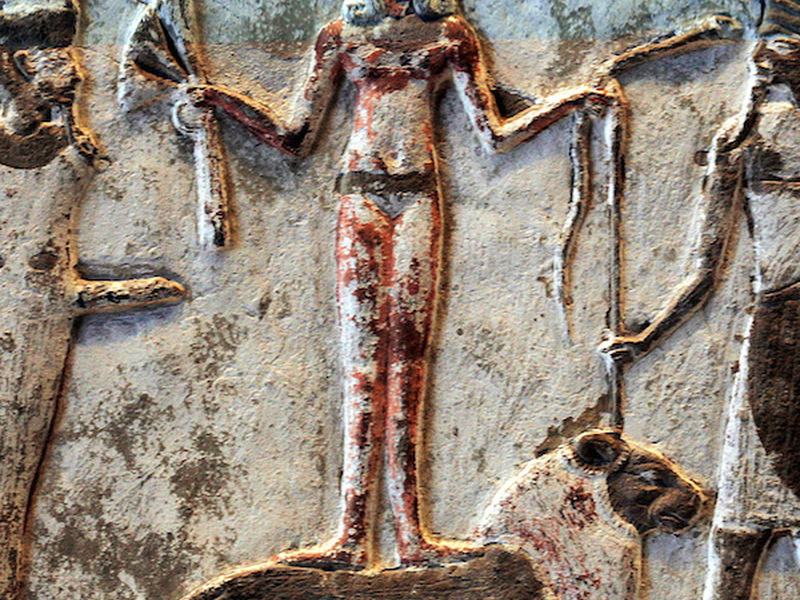
Why do so many Egyptian statues have broken noses? Julia Wolkoff summarizes the answer of Brooklyn Museum curator Edward Bleiberg. Noses protrude, and so are more apt to be knocked off accidentally, but the pattern is too consistent to be accident. Erosion could account for some, but not all. Bleiberg…

March 20, 2019
13714bedda625c2ec1816f0890ed72f4-snow-storms-image-photography
Ecclesiology

Ecclesial Ethics

Some snippets from Philip Turner's Christian Ethics and the Church . The premise of Turner's book is well summarized by a passage he quotes from Sabina Lovibond's Ethical Formation : "The ethical, let us say, pertains to what people learn to value through immersion in a community acquainted with ideas…

March 13, 2019

Nose to Nose

Levitical offerings send a "soothing aroma" ( reyach nichoach ) to Yahweh. Israel needs to produce good smells because her sin is noxious to Yahweh. When Israel rebels, His "nose burns." By slaughtering a substitute animal and turing it to smoke, Israel soothes Yahweh's hot nose. But that can't be…

March 11, 2019
Pneumatology

Reading in the Spirit

“Spiritual reading” is usually associated with patristic, monastic, and medieval modes of reading. It's fruitful, however, to shift the focus and ask what the Spirit has to do with our reading. The Spirit is the enlivening breath of God, the water of God who makes us into a fruitful garden.…

March 6, 2019
capitol-dc
Liberalism

Liberalism and Ecclesia

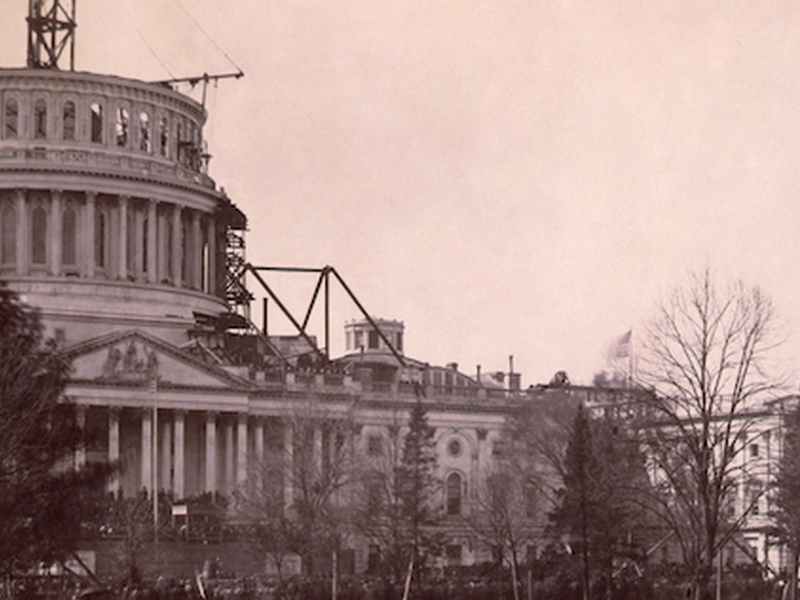
Liberalism is "in origin primarily a refusal of ecclesial power." So write John Milbank and Adrian Pabst ( Politics of Virtue , 31). In refusing ecclesial power, early modern political theorists renounced the arrangement of Latin Christendom. The "first polity knowing no bounds and truly based upon the rule of…

March 4, 2019

Showing page 46 of 2212

Browse by Category

In Medias Res

Your weekly digest for all things Theopolis.

Donate

Theopolis is nearly 100% donor-supported. Consider joining us on our mission.