Theopolis Logo

Writing

Explore our collection of theological essays, biblical studies, and reflections on faith and culture.

See all
cloister

Gatekeepers

1 Chronicles 9:1 seems to bring the genealogies of 1 Chronicles to an end. The Chronicler has recorded the genealogy of the human race from Adam, focusing on the descendants of Abraham through Jacob. Summing it all up, he says, “So all Israel was enrolled by genealogies; and behold, they…

by Peter LeithartJune 21, 2016
trinity-1-2
Trinity

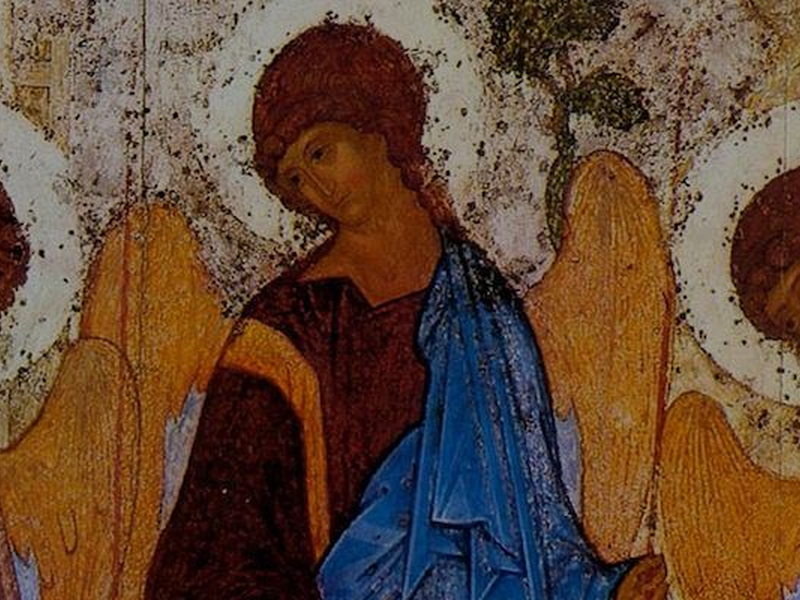
Are the Divine Persons Persons?

The “personalist” understanding of the Trinity, articulated most influentially in the work of John Zizioulas, has fallen on hard times. Recent scholars have attacked Zizioulas’s idea that Cappadocian Trinitarianism represented an ontological revolution, hammering on the distinction between divine and human personhood. Michel Barnes’s conclusion is the most drastic of…

by Peter LeithartJune 16, 2016
img_4660-2
Architecture

On Biblical Theology

Biblical Theology is often defined as the historical unfolding of God’s revelation, or of God’s revelation and of the history of his covenantal redemption and transformation of humanity and the world. In practice, Biblical Theology is usually broader than this, and also includes the study of literary structure and of…

by James B. JordanJune 14, 2016
laughing_statue_by_xxbobbiie-d5f0meh-2
Humor

Wise Laughter

We are made to be happy. Created to enter into the eternal joy of God, our whole being inclines to that end, but the fallen world has put forth barriers and by our own sin we bar ourselves from that endless delight, and death blinds us to that reality. Yet…

by Remy WilkinsJune 7, 2016
img_7664
Liturgy

Why Theopolis? Take Two

At the end of Revelation, John sees the heavenly city descending to earth. The city shines with the brilliance of God's glory, which lightens the nations, so that kings bring their glory to the city. This is not a vision of the final new heaven and new earth. It's a…

by Peter LeithartJune 2, 2016
trinity-1-2
Attributes of God

How Can We Talk About God?

“No one has ever seen God,” writes John (John 1:18). If this is the case, then how can we speak about God? Some people say we actually cannot. Or at least we cannot speak about God positively, i.e. who He is. We can only say who or what God is…

by Bogumil JarmulakMay 31, 2016

Showing page 130 of 309

See all

Showing page 8 of 43

See all

Dreaming Dreams

In the preface to Receptive Ecumenism , Paul Murray describes the three “voices” of the collection of essays in these terms: “(1) the dreaming of dreams; (2) the testing of such dreams for their viability; and (3) the discerning together of what might either hinder or promote their embodied ecclesial…

February 20, 2015

“We” Humans

In a series of studies, Michael Tomasello and colleagues at the Max Planck Institute for Evolutionary Biology have attempted to isolate what makes human cognition different from that of higher primates. Through a series of studies, they concluded that the key difference is what they call “shared intentionality,” the “we”…

February 19, 2015

How God Comes To Reign

After the two witnesses, the seventh angel blows the seventh trumpet, and loud voices of praise break out in heaven (Revelation 11:15). We’re back in heaven, and the twenty-four elders prostrate themselves before the Lord, the pantokrator , and praise Him because the kingdom of this world ( tou kosmou…

February 19, 2015

Lion Tribes

Solomon’s throne had six steps (1 Kings 10), with two lions flanking each step. That means 12 lions. Twelve lions are twelve tribes. But not all the tribes are leonine. Look back at Genesis 49, and you’ll find a donkey tribe (Issachar), a serpent tribe (Dan), a doe tribe (Naphtali),…

February 19, 2015

The Double

Richard Ayoade’s 2013 The Double , based on a Dostoevsky novella, is a dark comedy in every sense of the word. It takes place in a shrouded world, where all trains run underground, all lights are dim or flickering, where the few outdoor scenes occur at night. The comedy comes…

February 18, 2015

Receptivity and Lack

Building on John Paul II’s theology of the body, Adam Cooper’s Holy Eros sketches out a “liturgical theology of the body.” He aims to show “how the liturgy bodily enacts the truth of our Christian faith, and how that truth in turn is expressed in the structure and bodily actions…

February 18, 2015

Showing page 461 of 2212

Browse by Category

In Medias Res

Your weekly digest for all things Theopolis.

Donate

Theopolis is nearly 100% donor-supported. Consider joining us on our mission.