Theopolis Logo

Writing

Explore our collection of theological essays, biblical studies, and reflections on faith and culture.

See all
e99a9334
Advent

Stretching Christmas

For many people Christmas comes on December 25 and is over December 26. The tree is taken down along with the lights and the other decorations, and everyone begins setting the house in order for the new year. No more Christmas hymns. No more celebrations (well, until New Year’s Eve).…

by Steve WilkinsDecember 24, 2016
ascension
Advent

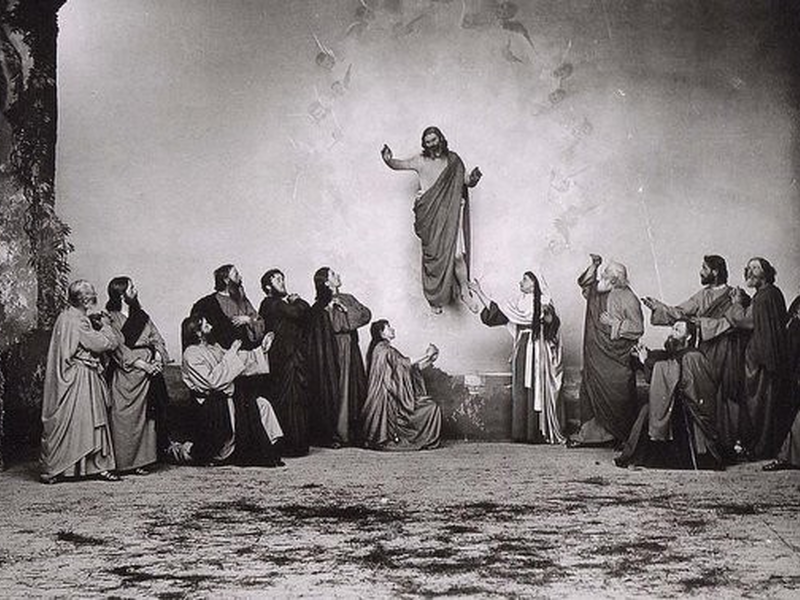
Ascension and Incarnation

The Ascension and the Incarnation should not be disconnected in our Christmas thinking or celebrations. As N.T. Wright notes, the ascension is "a central and vital feature without which all sorts of other things start to go demonstrably wrong. . . . where the ascension has been ignored or misunderstood,…

by Roy AtwoodDecember 23, 2016
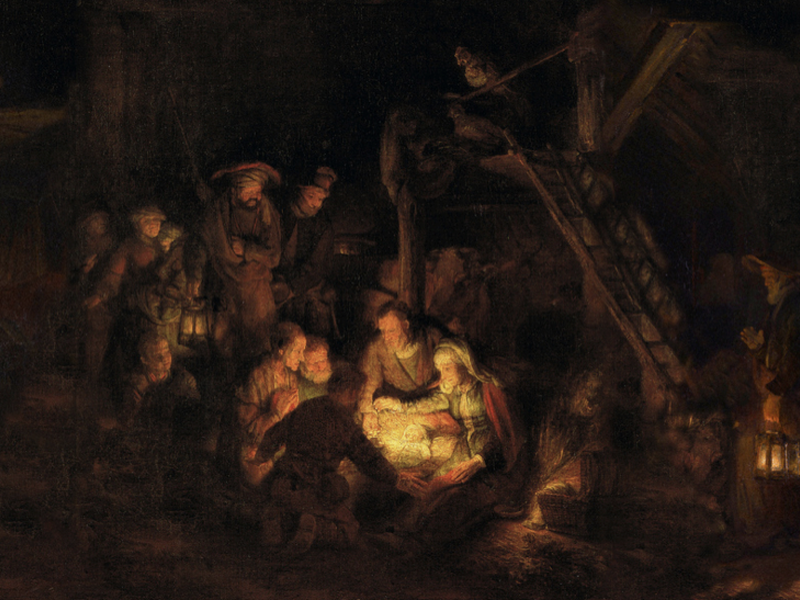
nativity-rembrandt
Advent

Christmas Light

“In the Word was life, and the life was the light of men. And the light shines in the darkness.” Thus John describes the incarnation of the Son. He comes as the living and life-giving light of the world. That’s good news. In the beginning, God spoke and light shone…

by Peter LeithartDecember 23, 2016
nativity-chagall
Advent

The Spirit of Christmas

Christmas is all about Jesus. The angels announce Jesus’ birth, shepherds and wise men come to see Jesus, Herod wants to kill Jesus. We occasionally think of the Father who sent the Son, but we keep returning to the Son made flesh in Bethlehem’s manger. Meanwhile, as always, the Spirit…

by Peter LeithartDecember 22, 2016
nativity
Advent

The Humility of God

Christmas is about many things, but one of the chief things revealed in the gospel of Christmas is the humility of God. We don't often think of humility as an attribute of God. If God is glorious and exalted, we think, He must be haughty and proud and self-centered. We…

by Peter LeithartDecember 21, 2016
screenshot-2025-12-15-at-8-35-45-am
Advent

Advent of Unity

John famously begins his Gospel with a piece of theology: “In the beginning was the Word, and the Word was with God, and the Word was God.” Matthew starts with a genealogy. John celebrates Advent with a hymn, Matthew with a list. For John, Jesus is the Word of creation…

by Peter LeithartDecember 20, 2016

Showing page 120 of 309

See all

Showing page 8 of 43

See all

Structure in Revelation 11

The account of the two witnesses (Revelation 11:3-13) is arranged in a chiastic order: A. Two witnesses, olive trees, lampstands, vv 3-4 B. Devouring enemies with fire from mouth, v 5 C. Authority to shut up heaven, turn waters, smite earth, v 6 D. Beast from abyss makes war, overcomes,…

February 18, 2015

Who's Afraid of Modern Art?

“ W ho’s afraid of modern art? ” asks Daniel Siedell. He answers, “I am.” As critic and curator, Siedell is passionately devoted to modern art. It frightens him because that is what it’s supposed to do. Munch’s The Scream , for instance, doesn’t just express the painters own anxieties.…

February 17, 2015

Rejoicing in Lament

I n the terrible trial scene in Till We Have Faces , the gods strip away layer after layer of Queen Orual’s self-justification, and when she has been laid bare, she finally has something to say to them: “Lightly men talk of saying what they mean. Often when he was…

February 17, 2015

On Missing the Main Thing

In his 1959 Luther the Expositor , Jaroslav Pelikan remarked on the tendency of church historians to neglect the main thing in theologians of the past: “Entire histories have been written - histories of a whole section of the church, of an era in church history or of a major…

February 17, 2015

God and Constantine

According to Augustine, all of Constantine’s achievements were gifts of God ( City of God , 5.25): He “gave to the Emperor Constantine, who was not a worshipper of demons, but of the true God Himself, such fulness of earthly gifts as no one would even dare wish for. To…

February 17, 2015

Reforming Council

Donald Norwood reminds us in Reforming Rome that the Reformers were eager for a ecumenical council to resolve the conflicts sparked by the Reformation. In 1560, Calvin writes, “In order to put an end to the divisions which exist in Christianity, there is need to have a free and universal…

February 16, 2015

Showing page 462 of 2212

Browse by Category

In Medias Res

Your weekly digest for all things Theopolis.

Donate

Theopolis is nearly 100% donor-supported. Consider joining us on our mission.