Theopolis Logo

Writing

Explore our collection of theological essays, biblical studies, and reflections on faith and culture.

See all
alexander-mils-my9sd3hm3ja-unsplash
American Culture

Charlie Kirk and the Biblical Cycle of History: A Response to Mark Horne

Mark Horne has done a good job elucidating how martyrdom paves the way for revival and success of Christ’s kingdom in the world, just as it also can bring more hardship and suffering. The diverging wheat and tares both growing up together, both benefitting from the watering of blood on…

by Jackson WatersOctober 7, 2025
andre-chipurenko-4wue5dqnxsw-unsplash
Isaiah

Masters of Allusion: Prophecy as Spiritual War (Part 2)

For Part 1, click HERE . Anyone who has read James B. Jordan’s Through New Eyes: Developing a Biblical View of the World and appreciated it as a revelation of how God communicates in symbols and types—both in His Word and in the created order—understands what it is like to…

by Mike BullOctober 2, 2025
screenshot-2025-09-26-at-11-20-00-am
American Politics

What I Wish Christians Understood about Charlie Kirk's Murder

Abel was the first martyr in history. There is no evading this. Jesus pairs him with a murdered prophet (Matthew 23:35; 2 Chronicles 24:20-22). Abel’s blood was heard by God (Genesis 4:10), and God responded to the cry by driving out Cain, Abel’s killer, from the eastern borderland near Eden…

by Mark HorneSeptember 26, 2025
andre-chipurenko-4wue5dqnxsw-unsplash
Isaiah

Masters of Allusion: Prophecy as Spiritual War (Part 1)

Adapted from The Shape of Isaiah: A Covenant-Literary Analysis The prophetic texts are the most difficult parts of the Bible to understand. And when it comes to baffling the reader, they are no respecter of persons, perplexing with their Delphic wiles even the studied scholars. It has been said that…

by Mike BullSeptember 25, 2025
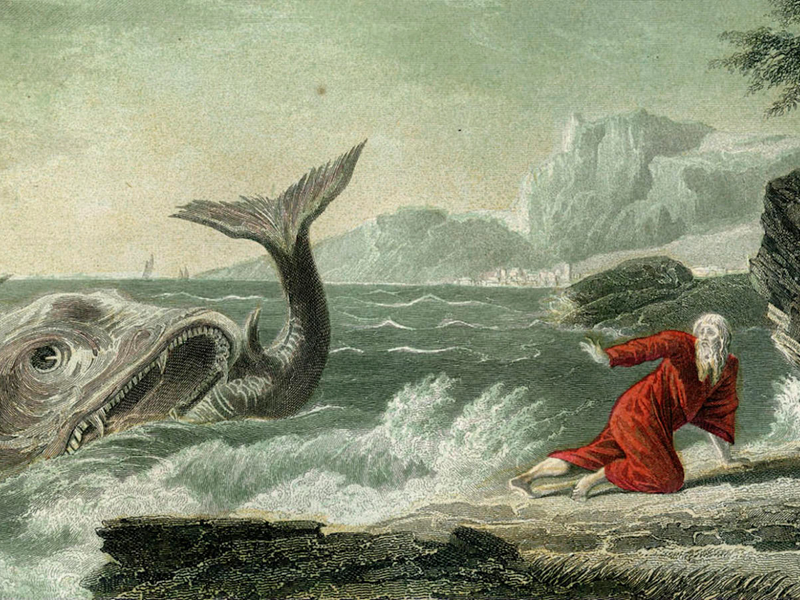
jonahwhale-1552x900
Jonah

Is Jonah a True Story?

The subtitle for the 2004 film Dodgeball is “A True Underdog Story.” If the viewer lets the words pass by without a double-take, he or she will likely spend the rest of the movie, which applies the “unlikely teammates make the best teams” trope to the “sport” of dodgeball, asking,…

by Kelly HahnSeptember 23, 2025
screenshot-2025-09-18-at-9-14-57-am
Ezra

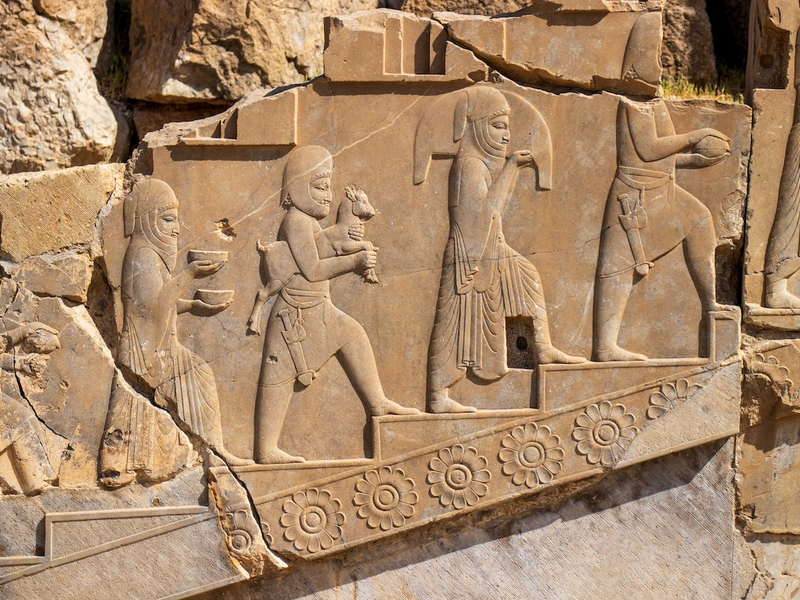
Holy Dishes

The book of Ezra gives an almost odd amount of attention to vessels. These holy vessels, whether cups, bowls, or flagons, are either dedicated as tribute or were used in temple service. The two Hebrew words translated as ‘vessel’ in most English translations are used a total of 14 times.…

by Jason SvintsitskySeptember 18, 2025
See all

Showing page 9 of 43

See all
Philosophy

Mirrors, ancient and modern

In her recent book The Mirror of the Self , Shadi Bartsch argues that ancient notions of introspection and self-examination do not employ the image of the mirror in the way we do in post-Cartesian philosophy. In the words of the TLS reviewer, for the ancients “the mirror was the…

June 27, 2007

Enjoyment in God

Wilken summarizes Augustine’s social vision of perfection this way: “This peace for which the city of God yearns is a ‘perfectly ordered and harmonious fellowship in the enjoyment of God,’ a peace of ‘enjoying one another in God.’ Notice that Augustine’s language is social, not individualistic. He does not say,…

June 26, 2007

Ecclesiology of perfection

When Plato thought about politics, he thought about an ideal city (at least in the Republic ). Not Augustine. Augustine recognized that Plato had portrayed “what kind of city ought there to be.” But Augustine was after something different. He presented an actual human society, a city of God in…

June 26, 2007
Theology

Empty minds

Aquinas wrote: “If the teacher determines the question by appeal to authorities only, the student will be convinced that the thing is so, but will have acquired no knowledge or understanding, and he will go away with an empty mind.”

June 26, 2007

Cyril and the Bible

In his wonderful book, The Spirit of Early Christian Thought , Robert Louis Wilken criticizes the Formula of Chalcedon as “formulaic and abstract,” which described Jesus as “one person,” but “seemed to divide Christ into a divine nature that, for example, healed the sick and raised the dead and a…

June 26, 2007
History

No heavenly good

Alcinous, a pagan philosopher of the second century AD claimed that God is “eternal, ineffable, self-sufficient, without need . . . and perfect in every respect.” The only way to know such a God was to ascend from earthly things to higher realities: “First one contemplates the beauty found in…

June 26, 2007

Showing page 1663 of 2212

Browse by Category

In Medias Res

Your weekly digest for all things Theopolis.

Donate

Theopolis is nearly 100% donor-supported. Consider joining us on our mission.