Theopolis Logo

Writing

Explore our collection of theological essays, biblical studies, and reflections on faith and culture.

See all
screen-shot-2020-03-05-at-9-00-10-am
Motherhood

Raising Children in a Gender Confused World

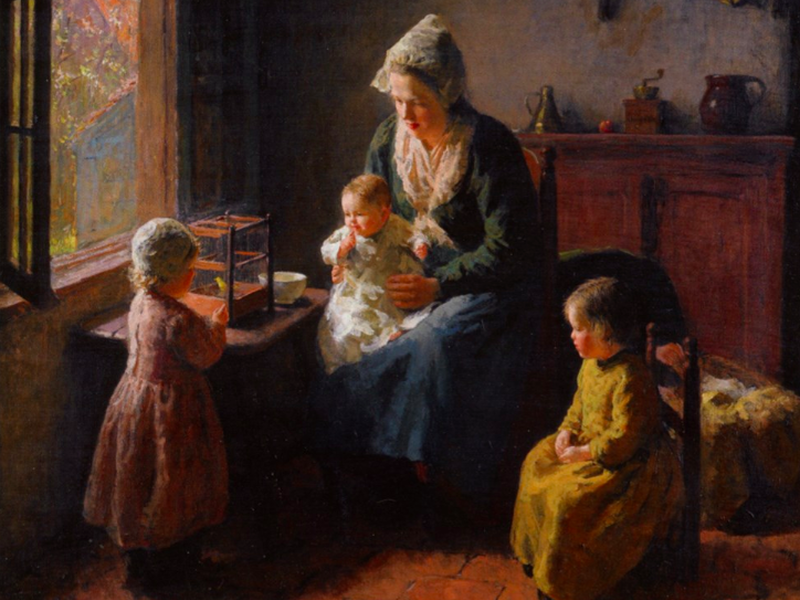
Raising children in a world that is increasingly rebellious against God-given gender is quite a challenge. I believe that every generation has their own unique challenges to face, and LGBTQ is ours. It is the movement that steals our terminology (love, kindness, community) and our symbol of promise (the rainbow)…

by Lindsey TollefsonJune 29, 2021

herode-tissot-crop
2 Thessalonians

The Lawless Man: When Christ Exposed a Conspiracy

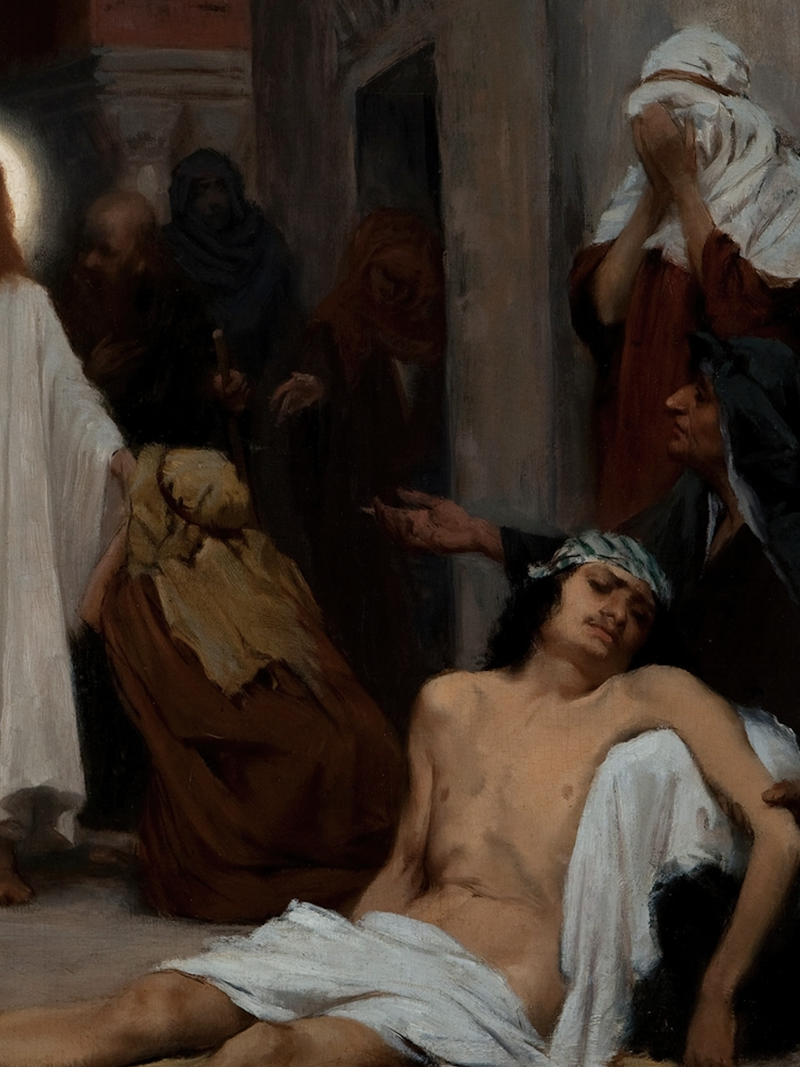
While there are many tricky verses in the Bible, it’s clear that some of them were never intended to give us so much trouble. Paul’s mysterious mention of the “restrainer” in 2 Thessalonians 2 is a perfect example, but perhaps we have been looking at it the wrong way. Reading…

by Mike BullJune 22, 2021
mark-rabe-p0gsveiycqu-unsplash
Christian Nationalism

Catholicity, the Church, and Christian Nationalism?

A common assumption of those most critical of “Christian nationalism” is that such a conception is inherently racist and opposed to the universal nature of the Christian faith. Many argue that Christian nationalism undermines a catholic sensibility by tethering Christianity to the particularities of the nation, and usually to a…

by James WoodJune 17, 2021
paul-the-apostle-epistle-prison-ephesians
Galatians

Ahab in Galatia

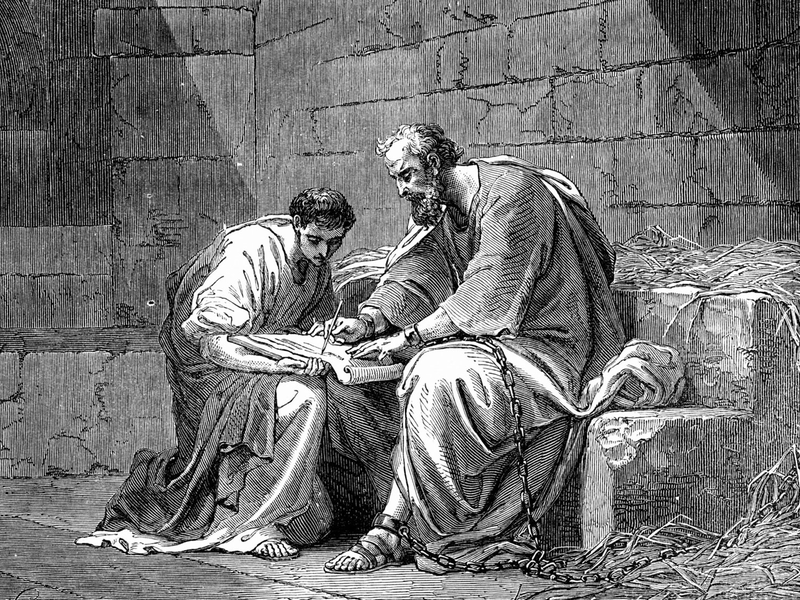
In his letter to the Galatians, Paul speaks of those who “trouble” their congregations: “[T]here are some who trouble you and want to distort the gospel of Christ” (1:7). 1 The word “trouble” caught my attention here, because in 1 Kings 18:17, King Ahab refers to Elijah the prophet as…

by Daniel HoffmanJune 15, 2021
margaux-bellott-r5tmusupjwa-unsplash
American Culture

What To Do When Your Boss Encourages You To Support The Moral Revolution

Many Christians find themselves working for businesses or corporations that encourage compliance with the moral revolution. Perhaps their company wants them to participate in gay pride month. Perhaps they require employees to use the preferred gender pronouns of their co-workers. Or maybe they require them to sign a statement affirming…

by Jason CherryJune 11, 2021
tim-marshall-k2u71wv2ei4-unsplash-1
Matthew

Masculinity in Jesus and John

“For John came neither eating nor drinking, and they say, He hath a devil. The Son of man came eating and drinking, and they say, Behold a man gluttonous, and a winebibber, a friend of publicans and sinners. But wisdom is justified of her children.” – Matthew 11:18-19 When conservative…

by Matthew CarpenterJune 10, 2021

Showing page 54 of 309

See all

Showing page 9 of 43

See all

Exegetical progress

If the fathers have already explained the Scriptures, Andrew of St. Victor asked, why do I need to? He answered that truth dwells “deep” and “screens herself from mortal sight.” There is always more truth to dig up because truth “hides, yet so as never wholly to be hidden. Careful…

April 4, 2007
Literature

Jane Austen, Economist

England’s economy in Austen’s time was still dominated by land ownership. Land was the most settled and permanent form of wealth, and writers like Coleridge and Burke asserted that landownership formed a “natural” governing class that had a physical stake in the nation. In 1710, Parliament enacted property qualifications for…

April 4, 2007
History

Equality and fashion

In 1767, one N. Foster wrote, “In England the several ranks of men slide into each other almost imperceptibly, and a spirit of equality runs through every part of their constitution. Hence arises a strong emulation in all the several stations and conditions to vie with each other; and the…

April 3, 2007
History

Consumer revolution

In the 1982 symposium, The Birh of a Consumer Society , Neil McKendrick identifies some of the chief features of the demand-side of the social and economic of the 18th century. What did it mean for England to become a “consumer society”? 1. More people than ever could acquire material…

April 3, 2007
History

Mimetic adverts

Samuel Johnson recognized the character of avertising quite early. he noted in 1761 that “advertisements are now so numerous that they are very negligently perused, and it is therefore become necessary to gain attention by magnificence of promises and by eloquence sometimes sublime and sometimes pathetic.” And he saw that…

April 3, 2007
History

Early advertising

Seen in the advertising section of many 18th-century English newspapers: “a fine young breast of milk willing to enter a gentleman’s household.” Presumably attached to a wet nurse. And an advertisement for a bed that “at the head . . . in the full centre front, appears sparkling with electrical…

April 3, 2007

Showing page 1697 of 2212

Browse by Category

In Medias Res

Your weekly digest for all things Theopolis.

Donate

Theopolis is nearly 100% donor-supported. Consider joining us on our mission.