Theopolis Logo

Writing

Explore our collection of theological essays, biblical studies, and reflections on faith and culture.

See all
tanner-mardis-xuxghzhibn4-unsplash-1-2
Biblical Studies

Tweets-turned-Notes on the Bible’s Chronology

Summary In what follows, I will consider the “year-stamps” employed in Scripture, i.e., statements of the form, “Such-and-such an event took place in the Xth year of Y.” In the process, I will suggest some ways in which the Biblical narrative might relate to events in the extra-Biblical world, though…

by James BejonJuly 16, 2019
durer-prodigal-son-2
Luke

Perspectives on the Prodigal, (Part 2)

In the first essay on the parable of the Prodigal Son, I suggested that the problems commentators and others encounter in interpreting Jesus three-part parable are not accidental. These are not just problems in our ignorance of cultural background. They are intentional features of the stories —stories designed to poke…

by Ralph Allan SmithJuly 11, 2019
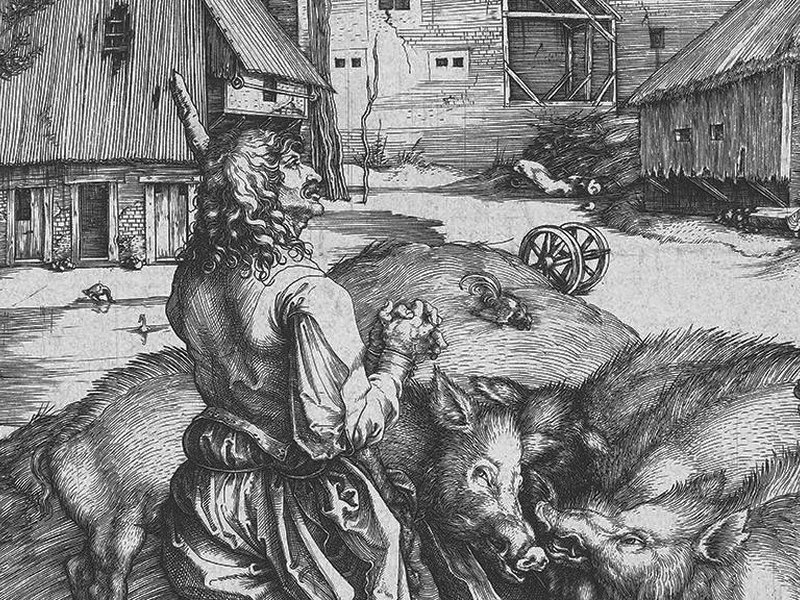
durer-prodigal-son-2
Luke

Perspectives on the Prodigal, (Part 1)

The story of the Prodigal Son is perhaps the most well-known story in the Bible. As others have observed, it may also be one of the most misunderstood. In two short essays, I will point out features of this story that are commonly neglected, aspects of Jesus’ parable that might…

by Ralph Allan SmithJuly 9, 2019
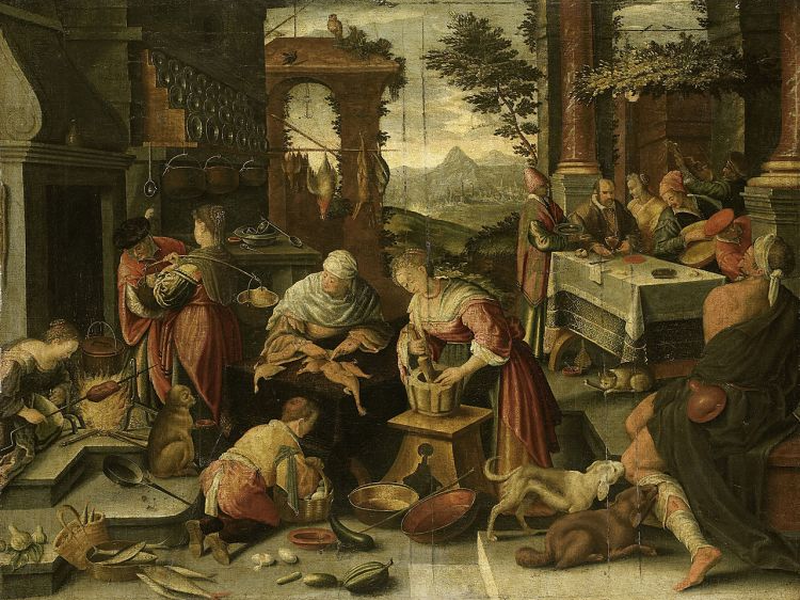
de-rijke-man-en-de-arme-lazarus-by-jacopo-da-ponte-16th-century
Luke

Lazarus and the Rich Man

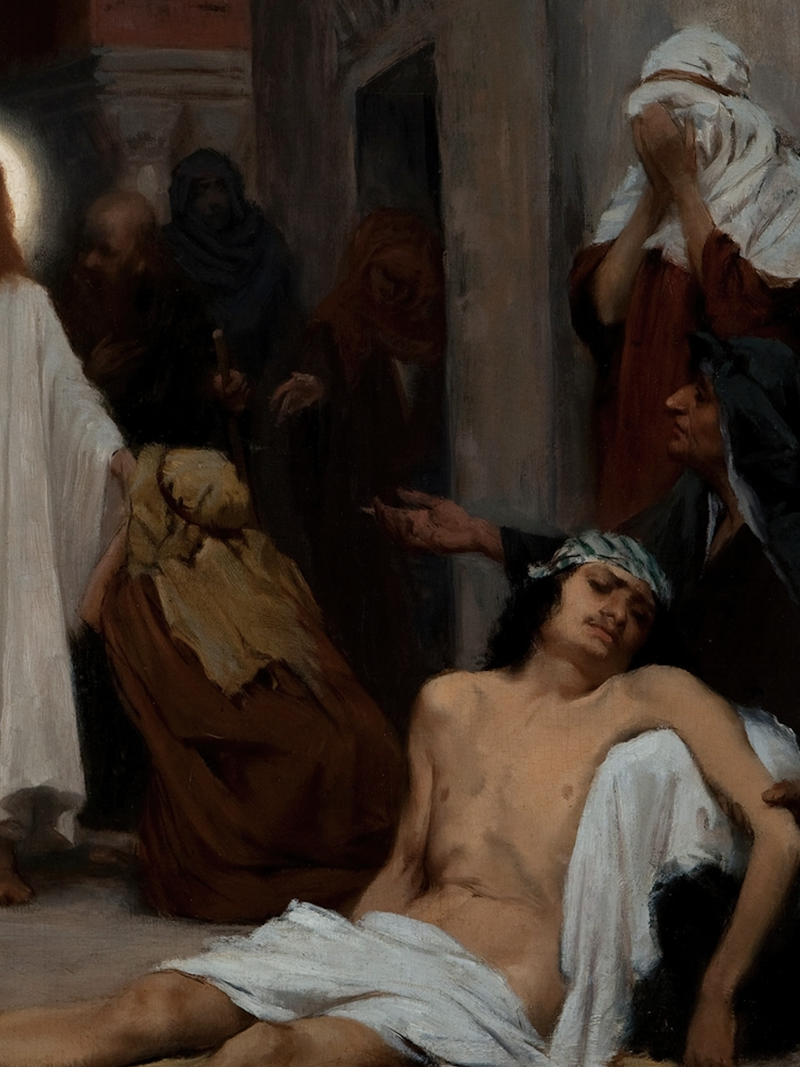
The parable of Lazarus and the nameless rich man is not an independent story. It is part of a long context that begins in Luke 15:1, where Jesus is eating with tax collectors and sinners and the scribes and Pharisees grumble. In response to their hardheartedness, Jesus tells a three-part…

by Ralph Allan SmithJuly 4, 2019
aaron-burden-uynrnfdkjwg-unsplash
Luke

Everybody has Dropsy - Luke 14:1-24

The Bible is written so that even when a reader cannot pick up on what might be deeper or more detailed aspects of a text, there is virtually always a message to be heard. In the ancient world, where the “reader” of Scripture would likely be a church official facing…

by Ralph Allan SmithJuly 2, 2019
communion
Biblical Theology

Fruit Trees and Grain Plants

The distinction between garden (or vineyard) and field begins in Genesis 2. This relates to the ordering of the formless world. Plants of the field are contrasted with the garden planted by God in Genesis 2:5&8. Later on, under the Old Covenant the Israelites will be required to keep their…

by James B. JordanJune 27, 2019

Showing page 77 of 309

See all

Showing page 9 of 43

See all

Dual creation

Assuming Gen 1:1 describes an act of creation and is not a title: It’s striking that the Gen account begins with the creation of two realms rather than a single entity or realm. Hesiod says that there was one reality, chaos; Anaximander says “together were all things”; Thales claimed that…

July 11, 2006
History

Inventing science

Bill Cavanaugh has argued that the early modern “wars of religion” were not really conflicts about religion but rather conflicts that created the modern notion of religion. Something similar can be said about the war between Scripture and science in the early modern period. In fact, these were both the…

July 10, 2006

Random notes

Wim JC Weren proposes a “macrostructure” for Matthew in a 2006 article in Biblica. His scheme is not convincing, but along the way he makes some helpful observations. 1) He suggests that there’s a topographical thread running through the gospel, marked by various recurrent refrains. From the beginning of the…

July 10, 2006

Therapism

Christina Hoff Sommers and Sally Satel, One Nation Under Therapy: How the Helping Culture is Eroding Self-Reliance . New York: St. Martin’s, 2005. 310 pp. PE classes are dangerous places. Dodge ball might leave nasty bruises, and, worse, the frustrations of competition and failure permanently destroy a kid’s psyche. Non-competitive…

July 10, 2006

Sheep-shearing

Jeffrey Geoghegan examines the OT events that take place during sheep-shearing festivals in an article in Biblica . He tries to discern the common themes in the four passages set during sheep-shearing: Gen 31, 38; 1 Sam 25; 2 Sam 13. He argues that sheep-shearing was a “significant celebration, characterized…

July 10, 2006

Exhortation, July 9

When Jesus promises to send the Spirit, he describes the Spirit as the “Paraclete.” This word is often translated as “Comforter,” but the Greek word has a legal connotation and is actually closer to “Advocate” or even “Defense Attorney.” A Paraclete doesn’t “soothe” so much as “defend.” That’s a good…

July 9, 2006

Showing page 1827 of 2212

Browse by Category

In Medias Res

Your weekly digest for all things Theopolis.

Donate

Theopolis is nearly 100% donor-supported. Consider joining us on our mission.