Theopolis Logo

Writing

Explore our collection of theological essays, biblical studies, and reflections on faith and culture.

See all
cloister

Gatekeepers

1 Chronicles 9:1 seems to bring the genealogies of 1 Chronicles to an end. The Chronicler has recorded the genealogy of the human race from Adam, focusing on the descendants of Abraham through Jacob. Summing it all up, he says, “So all Israel was enrolled by genealogies; and behold, they…

by Peter LeithartJune 21, 2016
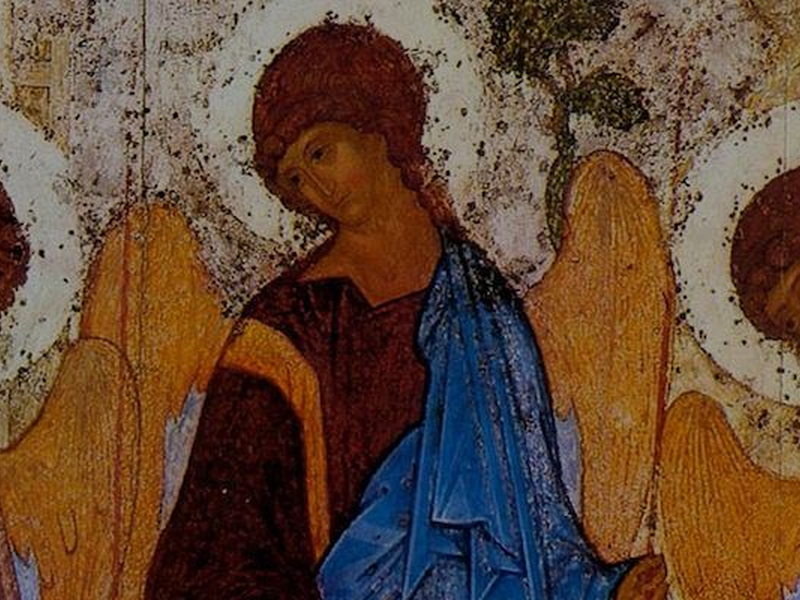
trinity-1-2
Trinity

Are the Divine Persons Persons?

The “personalist” understanding of the Trinity, articulated most influentially in the work of John Zizioulas, has fallen on hard times. Recent scholars have attacked Zizioulas’s idea that Cappadocian Trinitarianism represented an ontological revolution, hammering on the distinction between divine and human personhood. Michel Barnes’s conclusion is the most drastic of…

by Peter LeithartJune 16, 2016
img_4660-2
Architecture

On Biblical Theology

Biblical Theology is often defined as the historical unfolding of God’s revelation, or of God’s revelation and of the history of his covenantal redemption and transformation of humanity and the world. In practice, Biblical Theology is usually broader than this, and also includes the study of literary structure and of…

by James B. JordanJune 14, 2016
laughing_statue_by_xxbobbiie-d5f0meh-2
Humor

Wise Laughter

We are made to be happy. Created to enter into the eternal joy of God, our whole being inclines to that end, but the fallen world has put forth barriers and by our own sin we bar ourselves from that endless delight, and death blinds us to that reality. Yet…

by Remy WilkinsJune 7, 2016
img_7664
Liturgy

Why Theopolis? Take Two

At the end of Revelation, John sees the heavenly city descending to earth. The city shines with the brilliance of God's glory, which lightens the nations, so that kings bring their glory to the city. This is not a vision of the final new heaven and new earth. It's a…

by Peter LeithartJune 2, 2016
trinity-1-2
Attributes of God

How Can We Talk About God?

“No one has ever seen God,” writes John (John 1:18). If this is the case, then how can we speak about God? Some people say we actually cannot. Or at least we cannot speak about God positively, i.e. who He is. We can only say who or what God is…

by Bogumil JarmulakMay 31, 2016

Showing page 130 of 309

See all

Showing page 9 of 43

See all

Natural gifts of Adam

A few quotations on Adam’s “natural” capacities culled from Heppe: Polanus: “The original wisdom in man’s soul was that excellence and perfection of knowledge, by which unimpaired man rightly knew God and God’s work and himself and wisely understood all things unifold, singular, and universal, and rightly compounded or divided…

May 23, 2006

Pactum Salutis

Barth (CD, 4.1) offers this challenging evaluation of the Protestant Orthodox notion of a Trinitarian covenant: “For God to be gracious to sinful man, was there any need of a special decree to establish the unity of righteousness and mercy of God in relation to man, of a special intertrinitarian…

May 23, 2006

Turretin and Pure Nature

Thanks to Joel Garver for pointing me to a couple of passages in Turretin’s Institutes where he explicitly discusses and rejects the idea of “pure nature.” A brief summary follows of Turretin’s discussion from the Fifth Topic, Question 9 follows: 1) Turretin offers several definitions of “natural,” and the relevant…

May 22, 2006

Echoes and Christology

Modern-day Arians have answers to the standard NT texts on the deity of Christ. They aren’t good answers, but they have answers. What they don’t have are answers to the many texts that demonstrate the deity of Christ through intertextual echoes. Paul says in Philippians 2 that Christ existed in…

May 22, 2006

Sermon Outline, Seventh Sunday of Easter

INTRODUCTION Hezekiah is a new David, Manasseh an idolatrous Solomon. Josiah reverses the sins of Jeroboam by bringing an end to Jeroboam’s liturgical experiments. Great as he is, he cannot save Judah from destruction. Huldah prophesies that Jerusalem, Judah, and the temple are doomed (22:16-20), and the narrator confirms that…

May 22, 2006

Eucharistic meditation, Sixth Sunday of Easter

Luke 2219: Jesus said, This is My body, which is given for you; do this as My memorial. We saw in the sermon this morning that the name “Manasseh” means “Forgetful” or even “Causing to forget.” Judah went into exile because of her forgetfulness, because King Forgetful made her forget…

May 21, 2006

Showing page 1839 of 2212

Browse by Category

In Medias Res

Your weekly digest for all things Theopolis.

Donate

Theopolis is nearly 100% donor-supported. Consider joining us on our mission.