Theopolis Logo

Writing

Explore our collection of theological essays, biblical studies, and reflections on faith and culture.

See all
e99a9334
Advent

Stretching Christmas

For many people Christmas comes on December 25 and is over December 26. The tree is taken down along with the lights and the other decorations, and everyone begins setting the house in order for the new year. No more Christmas hymns. No more celebrations (well, until New Year’s Eve).…

by Steve WilkinsDecember 24, 2016
ascension
Advent

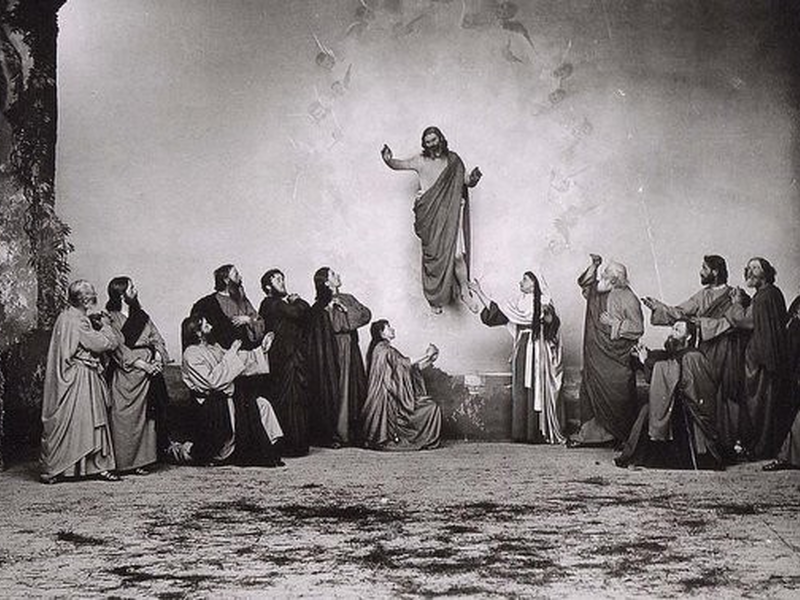
Ascension and Incarnation

The Ascension and the Incarnation should not be disconnected in our Christmas thinking or celebrations. As N.T. Wright notes, the ascension is "a central and vital feature without which all sorts of other things start to go demonstrably wrong. . . . where the ascension has been ignored or misunderstood,…

by Roy AtwoodDecember 23, 2016
nativity-rembrandt
Advent

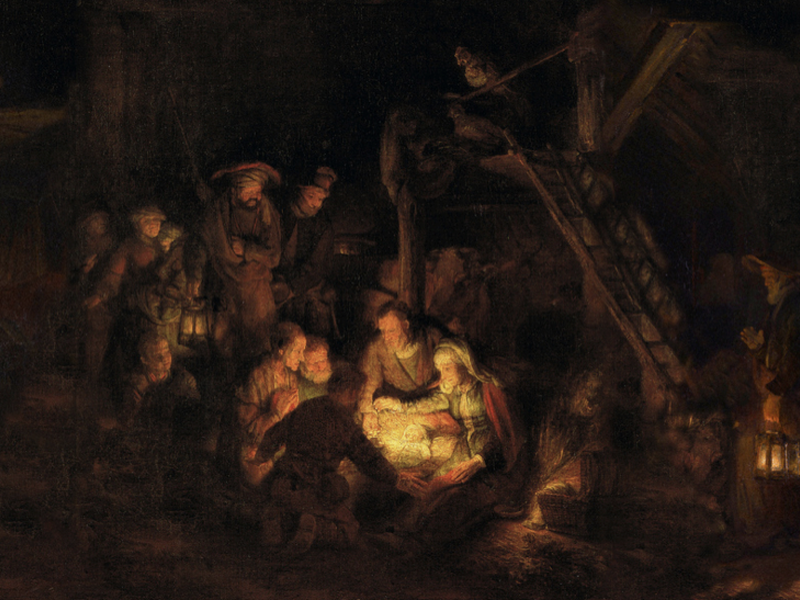
Christmas Light

“In the Word was life, and the life was the light of men. And the light shines in the darkness.” Thus John describes the incarnation of the Son. He comes as the living and life-giving light of the world. That’s good news. In the beginning, God spoke and light shone…

by Peter LeithartDecember 23, 2016
nativity-chagall
Advent

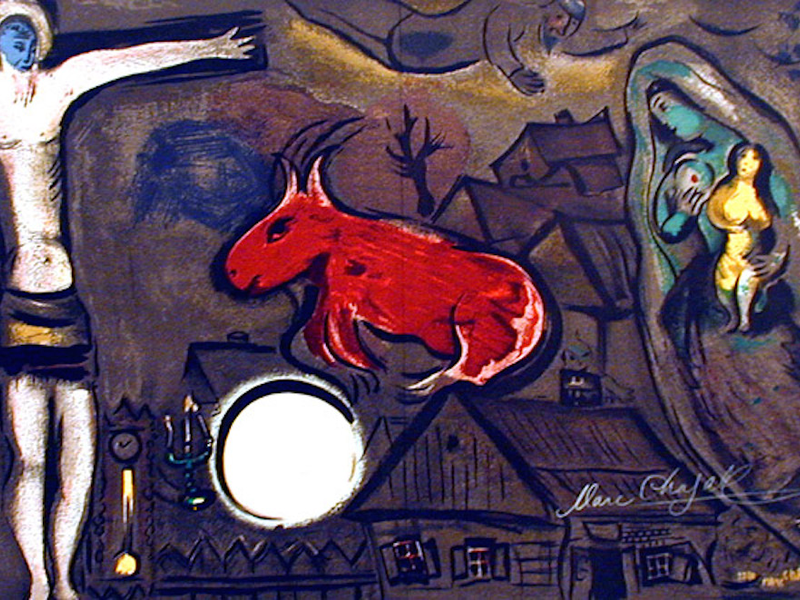
The Spirit of Christmas

Christmas is all about Jesus. The angels announce Jesus’ birth, shepherds and wise men come to see Jesus, Herod wants to kill Jesus. We occasionally think of the Father who sent the Son, but we keep returning to the Son made flesh in Bethlehem’s manger. Meanwhile, as always, the Spirit…

by Peter LeithartDecember 22, 2016
nativity
Advent

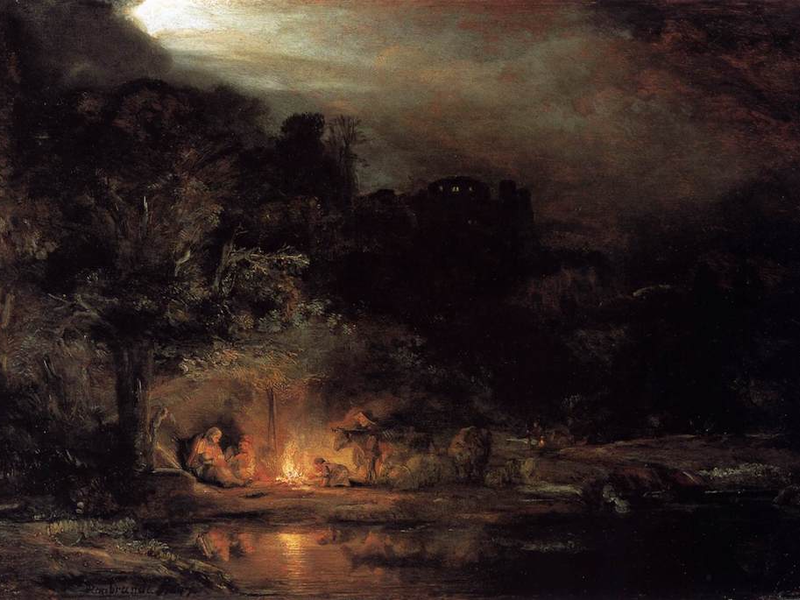
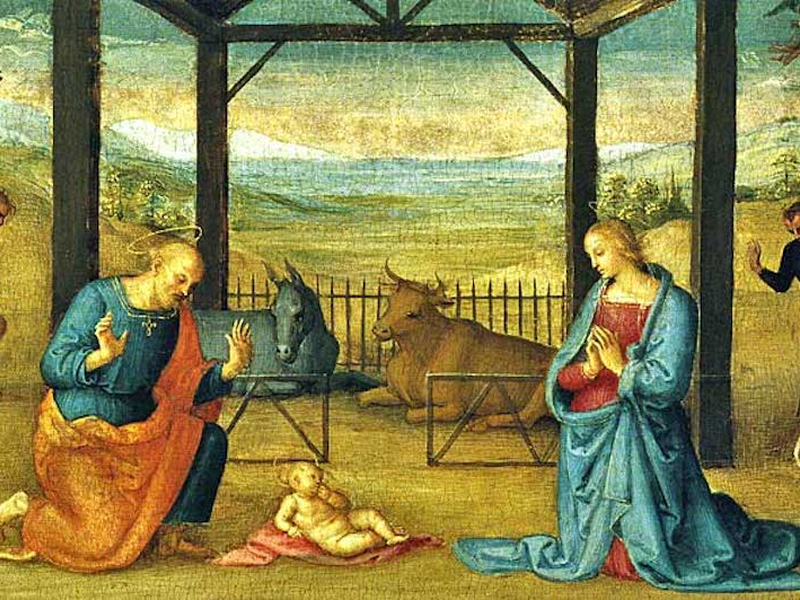
The Humility of God

Christmas is about many things, but one of the chief things revealed in the gospel of Christmas is the humility of God. We don't often think of humility as an attribute of God. If God is glorious and exalted, we think, He must be haughty and proud and self-centered. We…

by Peter LeithartDecember 21, 2016
screenshot-2025-12-15-at-8-35-45-am
Advent

Advent of Unity

John famously begins his Gospel with a piece of theology: “In the beginning was the Word, and the Word was with God, and the Word was God.” Matthew starts with a genealogy. John celebrates Advent with a hymn, Matthew with a list. For John, Jesus is the Word of creation…

by Peter LeithartDecember 20, 2016

Showing page 120 of 309

See all

Showing page 9 of 43

See all
History

Counter-culture and post-modern

Kumar notes that the 1960s counter-culture set itself against everything in modernism: “Pop art and pop music, the ‘new wave’ in cinema and the ‘new novel’ in literature, thne elision of the boundaries between ‘art’ and ‘life,’ the cultivation of sensibility through sex and drugs rather than aesthetic contemplation of…

February 24, 2006
History

Early McLaren?

In a 1965 essay, Leslie Fiedler celebrated the new movements of the 1960s as post-modern, post-Freudian, post-Humanist, post-Protestant, post-white, post-male.

February 24, 2006
History

Postmodernism/ity

Kumar suggests that there is no useful distinction to be made between postmodernity as a socio-political concept and postmodernism as a cultural concept. All the instincts of postmodernists are against such a differentiation of spheres. For postmodernists, it is no longer useful to distinguish subsystems within the social world -…

February 24, 2006
History

Two modernisms

Kumar defines modernism as an intellectual, cultural and artistic revolt against modernity. Yet modernism itself, especially as expressed in architecture, was complex and racked with internal contradictions: “It could denounce the ‘inauthentic’ present in the name of the future, as in Futurism and Constructivism; and it could with equal force…

February 24, 2006
History

Two modernities?

At least two: The modernity of science and technology, the factory system and city planning, of bureacracy and management. And on the other hand the modernity of sensibility, literature, hedonism, the lust for ever-new experience. On the one hand, Industrialization; on the other, the Romanticism that challenged it. On the…

February 24, 2006
History

Liquid modernity

“Constant revolutionizing of production, uninterrupted disturbance of all social conditions, everlasting uncertainty and agitation . . . All fixed, fast-frozen relationships . . . are swept away, all new-formed ones become antiquated before they can ossify.” Zygmunt Bauman? No: Marx and Engels, in the Communist Manifesto .

February 24, 2006

Showing page 1877 of 2212

Browse by Category

In Medias Res

Your weekly digest for all things Theopolis.

Donate

Theopolis is nearly 100% donor-supported. Consider joining us on our mission.