Theopolis Logo

Writing

Explore our collection of theological essays, biblical studies, and reflections on faith and culture.

See all
cloister

Gatekeepers

1 Chronicles 9:1 seems to bring the genealogies of 1 Chronicles to an end. The Chronicler has recorded the genealogy of the human race from Adam, focusing on the descendants of Abraham through Jacob. Summing it all up, he says, “So all Israel was enrolled by genealogies; and behold, they…

by Peter LeithartJune 21, 2016
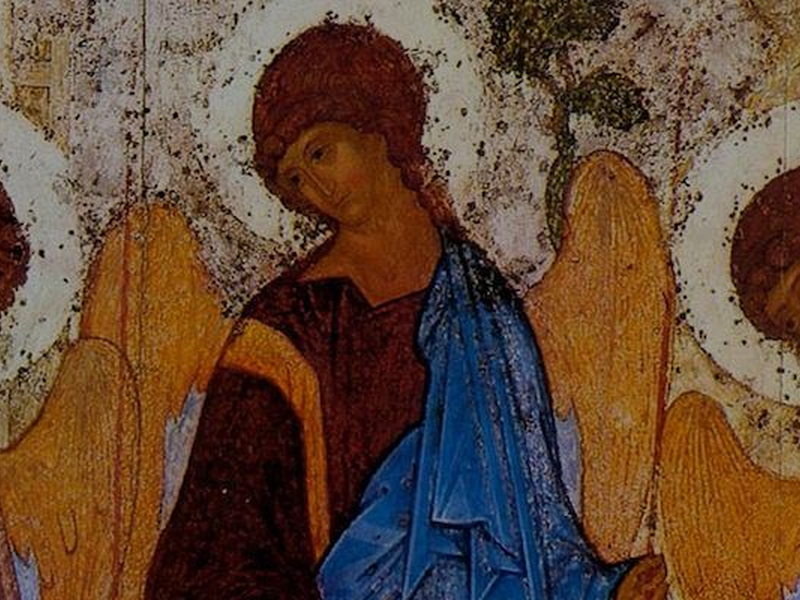
trinity-1-2
Trinity

Are the Divine Persons Persons?

The “personalist” understanding of the Trinity, articulated most influentially in the work of John Zizioulas, has fallen on hard times. Recent scholars have attacked Zizioulas’s idea that Cappadocian Trinitarianism represented an ontological revolution, hammering on the distinction between divine and human personhood. Michel Barnes’s conclusion is the most drastic of…

by Peter LeithartJune 16, 2016
img_4660-2
Architecture

On Biblical Theology

Biblical Theology is often defined as the historical unfolding of God’s revelation, or of God’s revelation and of the history of his covenantal redemption and transformation of humanity and the world. In practice, Biblical Theology is usually broader than this, and also includes the study of literary structure and of…

by James B. JordanJune 14, 2016
laughing_statue_by_xxbobbiie-d5f0meh-2
Humor

Wise Laughter

We are made to be happy. Created to enter into the eternal joy of God, our whole being inclines to that end, but the fallen world has put forth barriers and by our own sin we bar ourselves from that endless delight, and death blinds us to that reality. Yet…

by Remy WilkinsJune 7, 2016
img_7664
Liturgy

Why Theopolis? Take Two

At the end of Revelation, John sees the heavenly city descending to earth. The city shines with the brilliance of God's glory, which lightens the nations, so that kings bring their glory to the city. This is not a vision of the final new heaven and new earth. It's a…

by Peter LeithartJune 2, 2016
trinity-1-2
Attributes of God

How Can We Talk About God?

“No one has ever seen God,” writes John (John 1:18). If this is the case, then how can we speak about God? Some people say we actually cannot. Or at least we cannot speak about God positively, i.e. who He is. We can only say who or what God is…

by Bogumil JarmulakMay 31, 2016

Showing page 130 of 309

See all

Showing page 9 of 43

See all

Madrid

This from the lead editorial in the March 29 edition of The New Republic : “The new [Spanish] government of the Socialists, led by Jose Luis Rodriguez Zapatero, represents the more commonplace EU view of the world: the suspicion of force, the religion of diplomacy, the horror of American power,…

March 29, 2004

Church as Culture

Robert Louis Wilken has a brief article in the April issue of First Things on the church as culture. He illustrates the internal culture of the church by examining early Christian art, the development of the Christian calendar, and the formation of a distinctive Christian language. Nothing spectacularly new here,…

March 29, 2004
Philosophy

Pierre Bouretz

George Steiner has a lengthy review of Bouretz’s Temoins du Futur in the February 27 issue of the London Times Literary Supplement . Bouretz’s book traces the history of Jewish social thought, and particularly the connection between philosophy and messianism, from Herman Cohen through Emmanuel Levinas, taking the story, as…

March 29, 2004

Eucharistic Meditation, March 28

Luke 23:13-25 Six times in this passage, Luke uses the word ?release.?E Most of the uses describe Pilate?s desire to release Jesus. He plans to scourge Jesus and ?release?EHim; he is obliged to ?release?Esomeone at the festival, but the Jews demand that Pilate ?release?EBarabbas rather than Jesus, which is what…

March 28, 2004

Exhortation, March 28

The NT teaches that Jesus was a man of faith. Jesus trusted in God throughout His passion, His trials, torture, and death. Among other passages, Peter wrote in his first epistle: ?Christ also suffered for you, leaving an example for you to follow in His steps, who committed no sin,…

March 28, 2004

Circumcision and Flesh

In Rom 4 and elsewhere, Paul indicates that the Jews had been radically misusing circumcision. According to Paul, circumcision pointed to the covenant righteousness that Yahweh had reckoned to Abraham on account of his faith. Paul says that circumcision was the “seal of righteousness” but Genesis 17 talks about circumcision…

March 28, 2004

Showing page 2107 of 2212

Browse by Category

In Medias Res

Your weekly digest for all things Theopolis.

Donate

Theopolis is nearly 100% donor-supported. Consider joining us on our mission.