Theopolis Logo

Writing

Explore our collection of theological essays, biblical studies, and reflections on faith and culture.

See all
screen-shot-2018-10-25-at-1-08-06-pm
John

What did Jonah Know?

When a certain Samaritan village refused Jesus’ attempt to visit, James and John asked Jesus if they should call down fire from heaven upon it. The allusion to the story of Sodom and Gomorrah is evident, but, as the story shows, James’ and John’s thinking was entirely warped. Jesus rebuked…

by Ralph Allan SmithOctober 25, 2018
1zey30peztqultcxbanj1-q
Aristotle

The Relevance of Aristotle and the Role of Christ (Part 2)

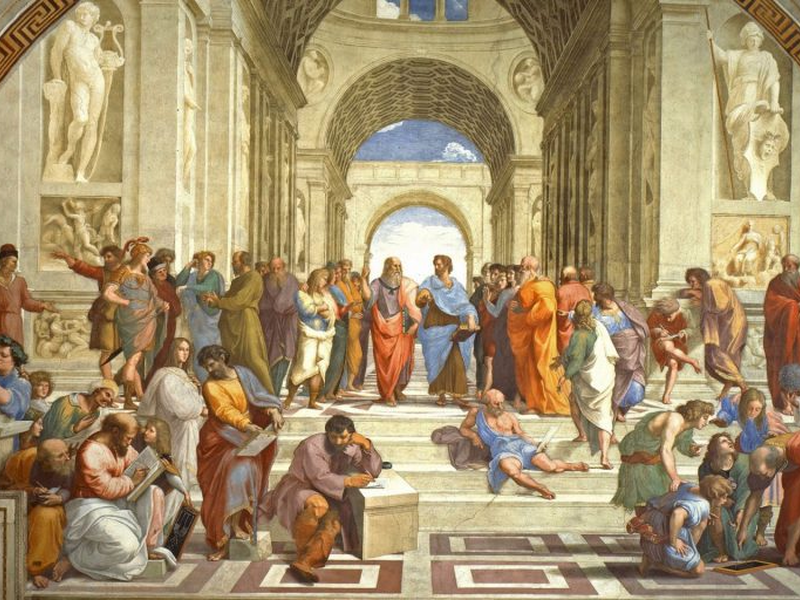
In the first part of this essay, I considered paideia (formation)and mimesis (imitation) in the context of Aristotle’s virtue ethics and that of the New Testament. The overall concern is to realize how relevant is Aristotle’s ethics both to diagnosing our current malaise and to enculturing our children, though we…

by Bret SaundersOctober 23, 2018
screen-shot-2018-02-08-at-9-58-52-am
Epistemology

Seeking Integration in a Fragmented World: D.C. Schindler: The Integrative Ministrations of Delight

In these posts I am inviting you into my philosophical reflection about integration , the absence of which we feel palpably in our fragmented world. My hope is for us to understand it more deeply, and to be ourselves reintegrated in the process. At this point in this extended inquiry…

by Esther Lightcap MeekOctober 18, 2018
1zey30peztqultcxbanj1-q
Aristotle

The Relevance of Aristotle and the Role of Christ (Part 1)

It’s hard to imagine someone, centuries from now, mistaking our culture for a moral highpoint in the history of the West. Increasingly the news is dominated by school shootings, abusive policing, sexploitation of women, and increasing rates of suicide, addiction, and divorce. In response, the Left calls for regulations, surveillance,…

by Bret SaundersOctober 16, 2018
img_4660-2
Prayer

God’s Promise to Hear Us

“The righteous cry out, and the Lord hears, and delivers them out of all their troubles. The Lord is near to those who have a broken heart, and saves such as have a contrite spirit.” (Ps. 34:17-18) God is listening. He is listening when we ask Him for financial provision,…

by Lindsey TollefsonOctober 11, 2018
baptism-of-christ
Baptism

Transfiguration and Jesus’ Baptism

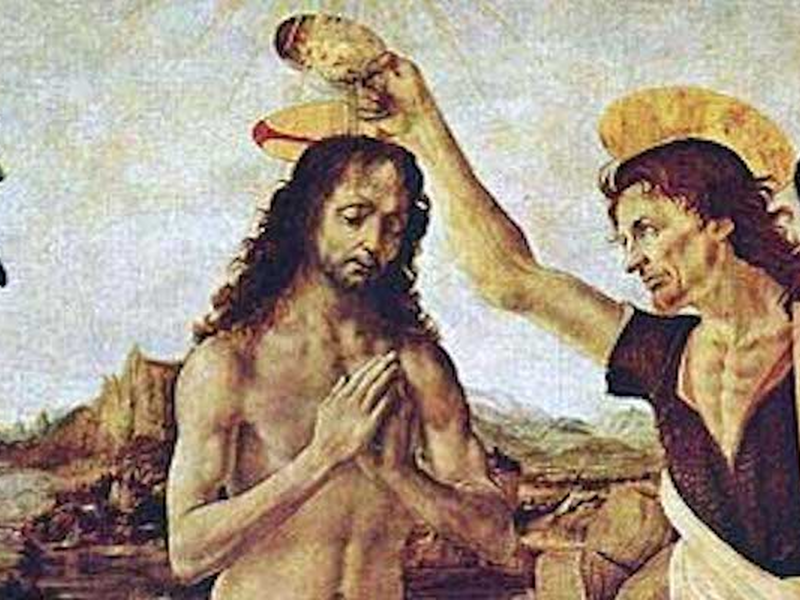
The allusions to Mt. Sinai in the transfiguration story point to Jesus as a new Moses and even more as Yahweh, the God who met Moses and Elijah on the mountain. The fact that Jesus, Moses, and Elijah spoke of Jesus’ “exodus” suggests that the mountain of transfiguration was intended…

by Ralph Allan SmithOctober 9, 2018

Showing page 86 of 309

See all

Showing page 9 of 43

See all

Justice and Faith in Acts

Paul's sermons in Acts 13 and 17 both employ language connected with the theme of justification that occupies so much attention in Romans and Galatians. Yet Paul uses the same concepts and terminology in ways that don't seem to fit his usage in the epistles. In Acts 13:38-39, he tells…

April 26, 2016

Protestant Individualism?

In her book on Common Prayer , Ramie Targoff claims that “What emerges in the aftermath of the Reformation is less a triumphant embrace of the individual's private and individual self than a concerted effort to shape the otherwise uncontrollable and unreliable internal sphere through common acts of devotion” (6).…

April 26, 2016

Sons of Levi

The genealogy of Levi is at the center of the genealogical section of 1 Chronicles. The genealogy begins with Adam and reaches ahead to the restoration from exile. In short, the genealogies survey all of human history, and, with the Levites at the center, it's as if the human race…

April 25, 2016

Atoning Alms

Early on in David Downs's study of Alms and atonement in early Christianity, he offers this striking quotation from Basil. He urges his hearers to keep the commandment to feed the hungry “as you would take hold of a fugitive, securing it from all sides with grasping hands and encircling…

April 25, 2016

Suffering Historiography

Theological investigations of Naziism are often dogged by “a subtle methodological difficulty,” writes Paul Hinlicky in Before Auschwitz (2): “the ‘retrospective fallacy,' sometimes also called ‘presentism.'” As Hinlicky explains, “Unlike the historical actors in church and society during the 1920s and 1930s in Germany, our inquiry benefits from certain knowledge…

April 25, 2016

Pagans and their Images

Paul's criticism of idols in his Athens speech repeats philosophical commonplaces about the nature of God and the difference between God and images, commonplaces as old as Plato and as contemporary as Seneca. But they were philosophical commonplaces. Lane Fox has pointed out that the philosophical skepticism about images was…

April 21, 2016

Showing page 296 of 2212

Browse by Category

In Medias Res

Your weekly digest for all things Theopolis.

Donate

Theopolis is nearly 100% donor-supported. Consider joining us on our mission.