Theopolis Logo

Writing

Explore our collection of theological essays, biblical studies, and reflections on faith and culture.

See all
cloister

Gatekeepers

1 Chronicles 9:1 seems to bring the genealogies of 1 Chronicles to an end. The Chronicler has recorded the genealogy of the human race from Adam, focusing on the descendants of Abraham through Jacob. Summing it all up, he says, “So all Israel was enrolled by genealogies; and behold, they…

by Peter LeithartJune 21, 2016
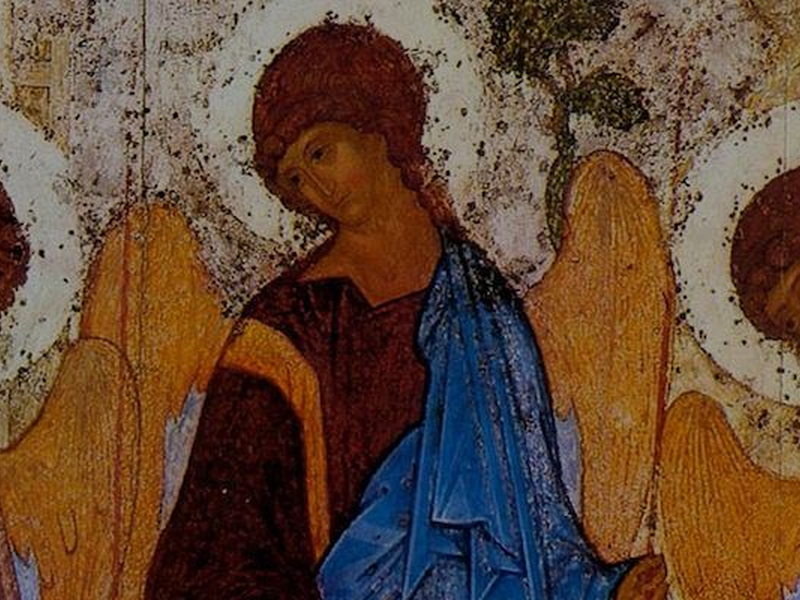
trinity-1-2
Trinity

Are the Divine Persons Persons?

The “personalist” understanding of the Trinity, articulated most influentially in the work of John Zizioulas, has fallen on hard times. Recent scholars have attacked Zizioulas’s idea that Cappadocian Trinitarianism represented an ontological revolution, hammering on the distinction between divine and human personhood. Michel Barnes’s conclusion is the most drastic of…

by Peter LeithartJune 16, 2016
img_4660-2
Architecture

On Biblical Theology

Biblical Theology is often defined as the historical unfolding of God’s revelation, or of God’s revelation and of the history of his covenantal redemption and transformation of humanity and the world. In practice, Biblical Theology is usually broader than this, and also includes the study of literary structure and of…

by James B. JordanJune 14, 2016
laughing_statue_by_xxbobbiie-d5f0meh-2
Humor

Wise Laughter

We are made to be happy. Created to enter into the eternal joy of God, our whole being inclines to that end, but the fallen world has put forth barriers and by our own sin we bar ourselves from that endless delight, and death blinds us to that reality. Yet…

by Remy WilkinsJune 7, 2016
img_7664
Liturgy

Why Theopolis? Take Two

At the end of Revelation, John sees the heavenly city descending to earth. The city shines with the brilliance of God's glory, which lightens the nations, so that kings bring their glory to the city. This is not a vision of the final new heaven and new earth. It's a…

by Peter LeithartJune 2, 2016
trinity-1-2
Attributes of God

How Can We Talk About God?

“No one has ever seen God,” writes John (John 1:18). If this is the case, then how can we speak about God? Some people say we actually cannot. Or at least we cannot speak about God positively, i.e. who He is. We can only say who or what God is…

by Bogumil JarmulakMay 31, 2016

Showing page 130 of 309

See all

Showing page 9 of 43

See all

Ruined Temples

Ezekiel says that Yahweh deals with Judah so that Judah will know that He is Lord. When there are bodies scattered on the high places, then Israel will know that Yahweh is Lord (Ezekiel 6:13-14). When Judah is devastated and the Lord shows no pity, then Judah will know that…

October 30, 2015

What I Want From Catholics

My wish list for Catholics is terribly old-fashioned and terribly assertive. There’s hardly space here to defend my positions or thoroughly critique the Catholic position. So, this may end up sounding like a drive-by shooting or a childish tantrum. I trust that I can formulate my wish list with enough…

October 29, 2015

The Love of the Divine Warrior

Aren Wilson-Wright examines the elements of “Northwest Semitic combat myth” in the theme verses of the Song of Songs (8:6b-7a). I have my doubts about the presence of the combat myth, but even within a strictly biblical frame, his observations illuminate the text. He points out, for instance, that 8:6b…

October 29, 2015

Meals and the Gospel Truth

Stephen Turley ends The Ritualized Revelation of the Messianic Age by elaborating the point made in his title: “for early Pauline communities, rituals and beliefs were in fact irreducible to one another. As such, our ritual reading of Paul provides an exegetical corrective to the traditional relation posited between theology…

October 29, 2015

Sabbath in Society

Tyler Atkinson uses Bonaventure and Luther as his primary interlocutors in his study of the “work ethic” of Ecclesiastes, Singing at the Winepress . The two giants offer quite divergent readings of the book. For Bonaventure, the vanity of the world encourages withdrawal; for Luther, though, the goal is to…

October 29, 2015

Luther, Faith, and Love

In his contribution to Reformation Readings of Paul , David C. Fink argues that Luther's doctrine of justification was an effort to “grapple with the great commandment” to love God (45). Luther vehemently rejected the medieval notion that faith as the material cause had to be formed by love as…

October 28, 2015

Showing page 357 of 2212

Browse by Category

In Medias Res

Your weekly digest for all things Theopolis.

Donate

Theopolis is nearly 100% donor-supported. Consider joining us on our mission.