Theopolis Logo

Writing

Explore our collection of theological essays, biblical studies, and reflections on faith and culture.

See all
paul-2
Romans

Notes on Scary Stuff in Romans 9

What shall we say then? Is there injustice on God’s part? By no means! For he says to Moses, “I will have mercy on whom I have mercy, and I will have compassion on whom I have compassion.” So then it depends not on human will or exertion, but on…

by Mark HorneFebruary 5, 2015
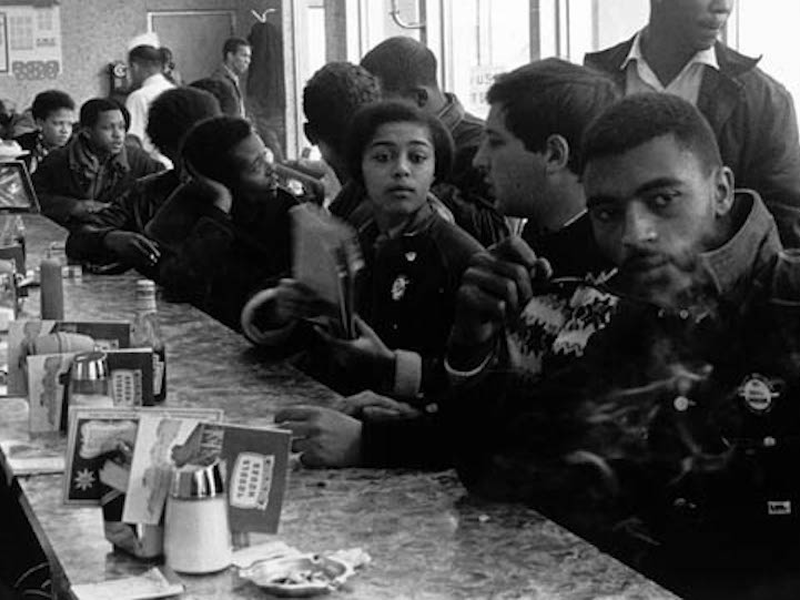
lunch-counter
American Politics

Covenants of Exclusion

A hundred years ago, William Warley signed a contract to buy a house in Louisville, Kentucky from Charles Buchanan, a white man. Before closing the sale, Warley, who was black, learned that the lot was subject to a city ordinance barring blacks from occupying the premises if most of the…

by Brendan O'DonnellFebruary 3, 2015
shakespeare-2
Literature

The Bard and the Book

I concluded the first essay on this topic by saying that I would introduce three books about Shakespeare and the Bible, but I decided to introduce four instead. The three books become four are: Naseeb Shaheen, Biblical References in Shakespeare’s Plays (London: Associated University Presses, 1999) ; Hannibal Hamlin, The…

by Ralph Allan SmithJanuary 29, 2015
augustine-2
Augustine

Augustine on Pagan Virtue

My children attend a classical Christian school, situated in the independent “free church” evangelical tradition. Over the past few years they have been growing in their acquaintance with the world of Homer, Plato, Virgil, and Livy. They enjoy it, and I envy it. The school is a great school. My…

by Gerald HiestandJanuary 27, 2015
prodigal-son
Atonement

The Prodigal and the Cross

The Prodigal Son parable (Luke 15) has been a favorite of liberal theologians for a couple of centuries. It seems to be a parable designed for liberal sensibilities: An indulgent, accepting Father; forgiveness extended without a cross; a surly older brother who might represent the "conservative" face of religion who…

by Peter LeithartJanuary 22, 2015
sky-from-bridge
Ascension

Underground Man, Ascended Man

“I want now to tell you, gentlemen, whether you care to hear it or not, why I could not even become an insect. I tell you solemnly, that I have many times tried to become an insect. But I was not equal even to that. I swear, gentlemen, that to…

by Richard BledsoeJanuary 20, 2015

Showing page 161 of 309

See all

Showing page 9 of 43

See all

Eucharist, Evangelical and Catholic

Theodore Beza's opening speech at the Colloquy of Poissy was a model of irenic Protestantism (Nugent, Ecumenism is the Age of the Reformation ). He stressed the creedal commonalities of Rome and the Reformed, and argued that the differences were “matters of interpretation” and unnecessary accretions” (97). As Nugent says,…

September 16, 2015

Phone Booth

Way out in the Mojave desert is a phone booth. Some years ago, a resident of LA published a picture, which inspired Godfrey Daniels to start calling the phone. He was prepared to keep calling for years until someone picked up. A month later, Lorene Aiken, who worked at the…

September 16, 2015

Conformist Subversives

To secular analysts, “Progressive Pentecostals” seem naively apolitical. In their study of Global Pentecostalism , Donald Miller and Tetsunao Yamamori agree that the “integral” or “holistic” Pentecostals that they study are not social gospellers or liberation theologians. They don't aim to “reform social structures or challenge government policies.” They are…

September 16, 2015

Exit and Voice

What do people do when social institutions go wrong? Albert Hirschman ( Exit, Voice, and Loyalty ) argues that there are two main alternatives: One withdraws (exit) or one speaks out (voice). He admits that these categories sound “suspiciously neat,” but defends them because they “reflect a more fundamental schism:…

September 15, 2015

Deuteronomic Penalties

Deuteronomy 25 begins like a law-and-order text. Judges are to condemn the wicked and justify the innocent. Convicted criminals are beaten, and beaten publicly “in the presence” of the judge, beaten as much as his crime deserves (v. 2). Verse 3 takes a slight turn: It places a limit on…

September 15, 2015

Irenicism in the Reformation

“Perhaps irenicism is the finest synthesis of Renaissance and Reformation,” writes Donald Nugent in his 1974 monograph on the Colloquy of Poissy, Ecumenism in the Age of the Reformation (4). The irenicists had roots in the late medieval conciliarism and in Cusa's efforts to unite contraries, but it was humanism…

September 15, 2015

Showing page 376 of 2212

Browse by Category

In Medias Res

Your weekly digest for all things Theopolis.

Donate

Theopolis is nearly 100% donor-supported. Consider joining us on our mission.