Theopolis Logo

Writing

Explore our collection of theological essays, biblical studies, and reflections on faith and culture.

See all
screen-shot-2023-05-02-at-1-14-25-pm
Poetry

Seed-bearing Fruit

Ten-thousand ‘yeses’ and a single ‘no.’ From bough it dangles, beauty to the eyes, For belly, food, a fruit to make one wise. Too soon, they eat; they know; the leaves they sew, But, oh! the Love who asks, “Where did you go?” Confessions flow from under leaf’s disguise; A…

by Marc HaysAugust 16, 2023
screenshot-2023-08-15-at-8-22-28-am
Augustine

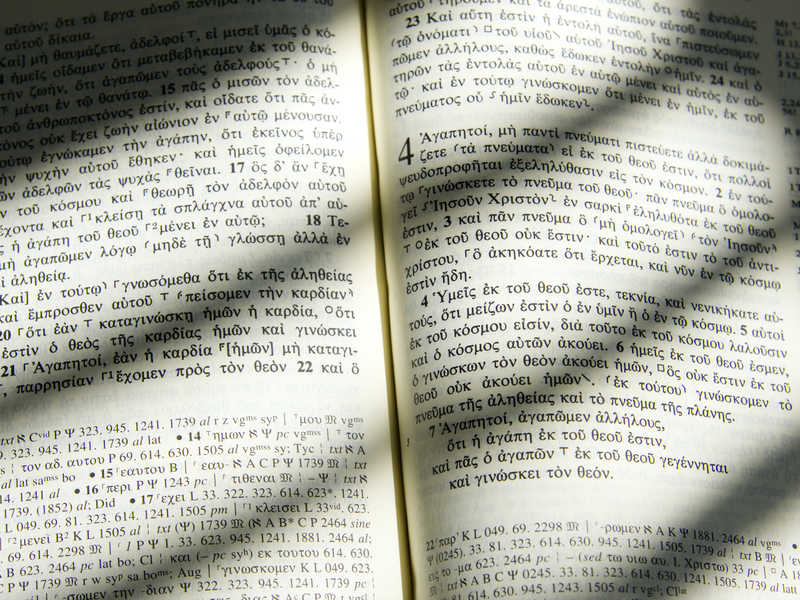
Eternal Life Chiasm in John's Gospel

In his masterful work, De Doctrina Christiana , Augustine of Hippo writes: I would have learned men to know that the authors of our Scriptures use all those forms of expression which grammarians call by the Greek name tropes, and use them more freely and in greater variety than people…

by Doug PonderAugust 15, 2023
screenshot-2023-08-08-at-11-13-28-am
Ruth

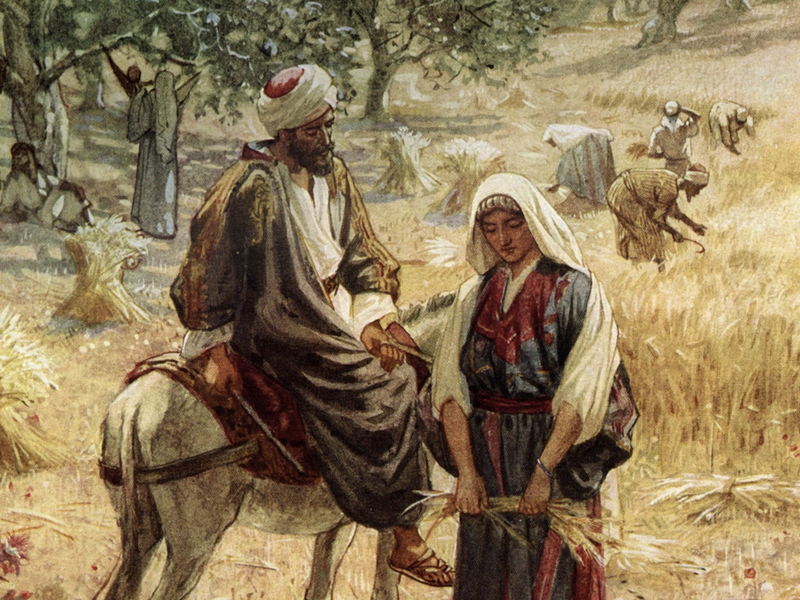
Lot, Ruth, and the Work of New Creation

“In accordance with the creation pattern, God sovereignly took hold of Adam and put him to sleep. Then God divided Adam by removing flesh and bone from his side, and restructured humanity into male and female. When Adam awoke, God distributed the woman to him. Adam gazed upon her and…

by Josh JensenAugust 8, 2023
rev-1-barbie-tp-0002-high-res-jpeg-647e152f50df6-2
Culture

The Barbie Movie

Greta Gerwig’s new film, Barbie, has been criticized, probably rightly, for having too many ideas and layers to properly bring in any for a landing. Gerwig herself thought the script was so “ wild and anarchic ” that she was surprised WB agreed to make it. Many see it as…

by Robin HarrisAugust 1, 2023
mariam-soliman-ht5xmeulydg-unsplash-2
Matthew

Why Does John the Baptizer Look Like a Camel?

“Now John wore a garment of camel’s hair and a leather belt around his waist, and his food was locusts and wild honey” (Matt. 3:4). Why is John the Baptizer clothed with camel’s hair? Why does he want to look like a camel? Or at least: what does he expect…

by Jeff MeyersJuly 26, 2023
darwin
Literature

Stinking, Rotten Ministers of the Gospel

In the second greatest story ever told, The Brothers Karamazov , Fyodor Dostoyevsky tells the story of a family plagued by the lasting legacy of sin’s destructive power and the all-surpassing truth that God is Light and in Him is no darkness. The young protagonist, Alyosha, is a monk committed…

by Garrett SoucyJuly 18, 2023

Showing page 29 of 309

See all

Showing page 9 of 43

See all

Why Now?

Jesus prayed that the church's unity would reflect the unity of the Father and Son. Paul urged the Ephesians to cultivate the virtues of peace that would express the sevenfold unity of the church (Ephesians 4). That demand is a perennial one. But we've been divided for a long time.…

March 12, 2015

Fragile Fruitfulness

Israel is a vine, transplanted from Egypt (Psalm 80; Isaiah 5). She exists to produce wine that gladdens the hearts of men. Israel is the Dionysian people. Ezekiel brings out another dimension of the vine image: “Son of man, how is the wood of the vine better than any wood…

March 12, 2015

Judgment to the Corners

The oracle of judgment in Ezekiel 14:12-23 is structured as a fourfold judgment: sword, famine, beasts, plague (v. 21). The descriptions of judgment are laid out in four paragraphs that use repetitive, stereotyped language. Throughout, Yahweh says that even the intercession of Noah, Daniel, and Job could not rescue Judah…

March 12, 2015
Fairy Tales

The Political Economy of Fairy Tales

In a TLS review of several recent books on fairy tales, Fracesca Wade points to the political context and economic setting of early folk and fairy tale collections. Inspired by Herder, the Grimms, she observes, intended to recover Germanitas by study of natural German poetry: “Although the brothers drew widely…

March 12, 2015

Remembering the Present

In his Deja Vu and the End of History , Italian philosopher Paolo Virno explores the phenomenology of memory, especially in its relation to philosophies of history. The deja vu of the title isn't a metaphor; following Henri Bergson, Virno argues that it represents “the untrammelled extension of memory's jurisdiction,…

March 11, 2015

Potential, Act, and Violence

Paolo Virno ( Deja Vu and the End of History ) observes that potential and act occur simultaneously. Take language: “The language faculty irrupts into becoming in concomitance with the phrase that I am speaking. It appears precisely now, as I speak, neither before nor afterwards: but, note, right now…

March 11, 2015

Showing page 453 of 2212

Browse by Category

In Medias Res

Your weekly digest for all things Theopolis.

Donate

Theopolis is nearly 100% donor-supported. Consider joining us on our mission.