Theopolis Logo

Writing

Explore our collection of theological essays, biblical studies, and reflections on faith and culture.

See all
tanner-mardis-xuxghzhibn4-unsplash-1-2
Biblical Studies

Tweets-turned-Notes on the Bible’s Chronology

Summary In what follows, I will consider the “year-stamps” employed in Scripture, i.e., statements of the form, “Such-and-such an event took place in the Xth year of Y.” In the process, I will suggest some ways in which the Biblical narrative might relate to events in the extra-Biblical world, though…

by James BejonJuly 16, 2019
durer-prodigal-son-2
Luke

Perspectives on the Prodigal, (Part 2)

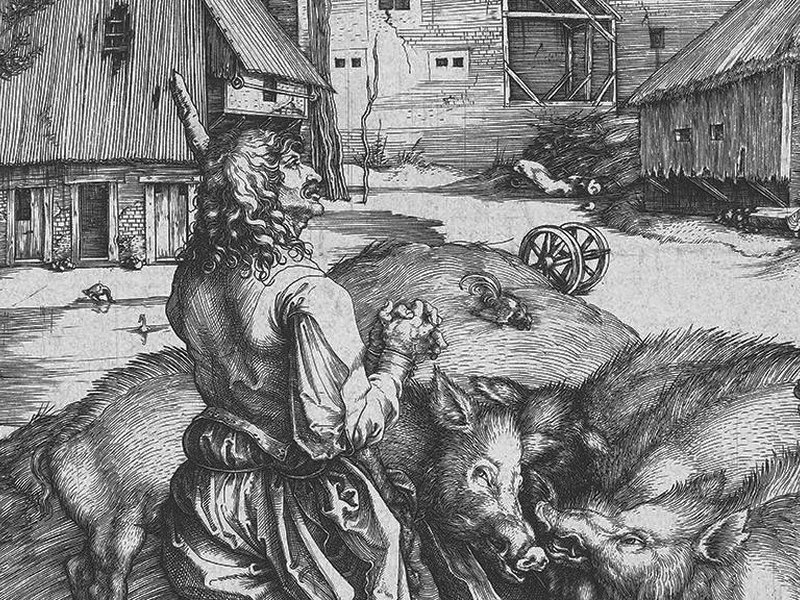
In the first essay on the parable of the Prodigal Son, I suggested that the problems commentators and others encounter in interpreting Jesus three-part parable are not accidental. These are not just problems in our ignorance of cultural background. They are intentional features of the stories —stories designed to poke…

by Ralph Allan SmithJuly 11, 2019
durer-prodigal-son-2
Luke

Perspectives on the Prodigal, (Part 1)

The story of the Prodigal Son is perhaps the most well-known story in the Bible. As others have observed, it may also be one of the most misunderstood. In two short essays, I will point out features of this story that are commonly neglected, aspects of Jesus’ parable that might…

by Ralph Allan SmithJuly 9, 2019
de-rijke-man-en-de-arme-lazarus-by-jacopo-da-ponte-16th-century
Luke

Lazarus and the Rich Man

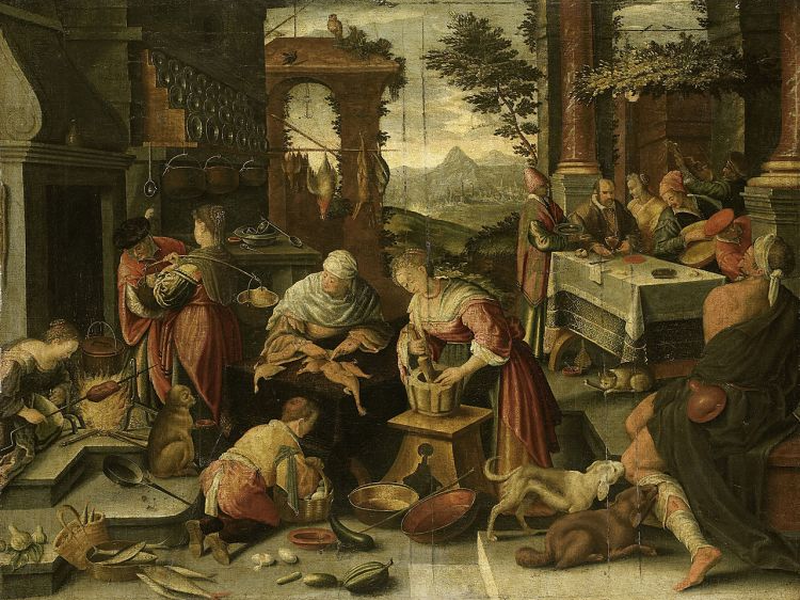
The parable of Lazarus and the nameless rich man is not an independent story. It is part of a long context that begins in Luke 15:1, where Jesus is eating with tax collectors and sinners and the scribes and Pharisees grumble. In response to their hardheartedness, Jesus tells a three-part…

by Ralph Allan SmithJuly 4, 2019
aaron-burden-uynrnfdkjwg-unsplash
Luke

Everybody has Dropsy - Luke 14:1-24

The Bible is written so that even when a reader cannot pick up on what might be deeper or more detailed aspects of a text, there is virtually always a message to be heard. In the ancient world, where the “reader” of Scripture would likely be a church official facing…

by Ralph Allan SmithJuly 2, 2019
communion
Biblical Theology

Fruit Trees and Grain Plants

The distinction between garden (or vineyard) and field begins in Genesis 2. This relates to the ordering of the formless world. Plants of the field are contrasted with the garden planted by God in Genesis 2:5&8. Later on, under the Old Covenant the Israelites will be required to keep their…

by James B. JordanJune 27, 2019

Showing page 77 of 309

See all

Showing page 9 of 43

See all

Still Called to Martyrdom

When Christians warn that the adoption of same-sex marriage laws will lead to persecution of traditional Christians, secularists think we’re being hysterical. But then the mayor of Houston subpoenas sermons from pastors who have addressed homosexuality from the pulpit. And the Idaho couple that runs a wedding chapel in beautiful…

October 20, 2014

Apprenticeship

Tamara Jacoby reports at the Atlantic on the important role that apprenticeship or “dual training” (classroom and on-the-job) programs play in equipping European workers. She acknowledges that the US has its own tradition of apprenticeship, but adds: “like most kinds of vocational education, it fell out of fashion in recent…

October 20, 2014
Incarnation

Accustomed to God

The incarnation without the cross and exaltation doesn’t accomplish salvation. But the incarnation ain’t nothing. As Adam Kotsko says in his treatment of Irenaeus ( The Politics of Redemption , 78), “the Incarnation of Christ simply taken in itself brings God into a much more intimate relationship with humanity, accustoming…

October 17, 2014

Subtlety, Agility, Clarity

Matthew Levering has a delightful summary of Thomas’s delightful description of the resurrection body as subtle, agile, and full of “clarity” ( Christ’s Fulfillment of Torah and Temple , 133-4). Subtlety, Levering explains, is “the ability of the body to penetrate.” Bodies will remain bodies, but “the penetration of glorified…

October 17, 2014

Law of Love

For Thomas, the Torah was not simply another secular constitution. It was divine law, aimed at establishing not merely order or even justice but at encouraging charity. Thomas was echoing Jesus in his stress on the weightier things of the law - justice, mercy, truth. As Matthew Levering ( Christ’s…

October 17, 2014

Calvin, Typologist

Discussing Christ as the end of the law in his preface to Pierre-Robert Olivetan’s translation of the New Testament, Calvin writes: “Therefore, when you hear that the gospel presents you Jesus Christ in whom all the promises and gifts of God have been accomplished; and when it declares that he…

October 17, 2014

Showing page 512 of 2212

Browse by Category

In Medias Res

Your weekly digest for all things Theopolis.

Donate

Theopolis is nearly 100% donor-supported. Consider joining us on our mission.