Theopolis Logo

Writing

Explore our collection of theological essays, biblical studies, and reflections on faith and culture.

See all
screen-shot-2022-05-12-at-12-07-23-pm
Leviticus

The Theology of the Drink Offering

The drink offering or libation ( nesek ) is mentioned in only three places in the book of Leviticus. When the sheaf of the firstfruits was waved before the Lord, a grain offering was to be burned, along with "its libation, a fourth of a hin of wine [approx. one…

by Peter LeithartJuly 17, 2018

aaron-burden-qjdzyt_k8xg-unsplash
Atonement

Limited Atonement & J. I. Packer

When I became a Calvinist it wasn't long before I learned that John Owen’s The Death of Death in the Death of Christ was regarded as the masterful treatise on what is known as "Limited Atonement"--the "L" in the TULIP mnemonic device for "the five points of Calvinism." This wasn't…

by Mark HorneJuly 12, 2018
30211-bathsheba-800w-tn
Hermeneutics

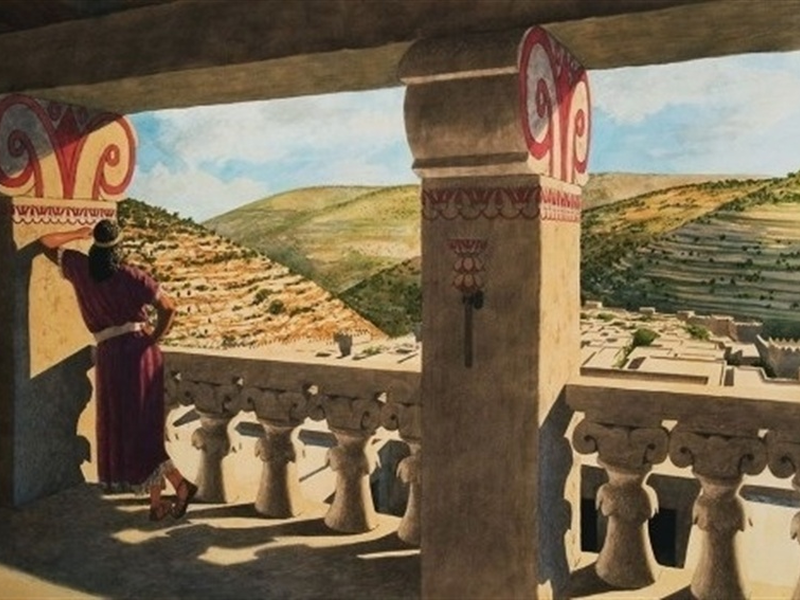
Bathsheba: The Real Story

One of the advantages of paying very close attention to the details in the Bible, especially chronological and genealogical details, is that they can shed light on situations that don’t seem to make much sense apart from them. One such situation is that of Bathsheba. It appears that Bathsheba willingly…

by James B. JordanJuly 10, 2018
img_7664
Leviticus

The Oddness of the Feast of Booths

The Feast of Ingathering in the seventh month of the Sinaitic calendar is also called the Feast of Sukkoth, of Booths, also called Feast of Tabernacles. I have usually called it by that last phrase, and it is the most common today; but there is a problem: A tabernacle is…

by James B. JordanJuly 5, 2018
alec-guinness-with-george-lucas
Matthew

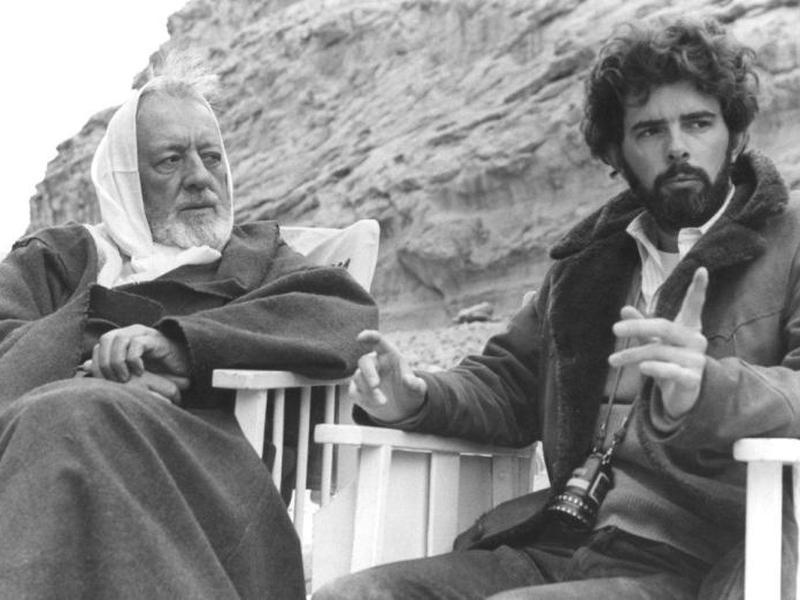
A Universe Less Expanded

When Matthew’s Gospel was first read aloud to the fledgling Christian congregations, the experience must have been like seeing the words “A long time ago in a galaxy far, far away…” appear afresh on cinema screens in 1999. Yet, unlike The Phantom Menace, the New Testament did not disappoint. Why?…

by Mike BullJuly 3, 2018
screen-shot-2018-06-28-at-9-29-39-am
Art

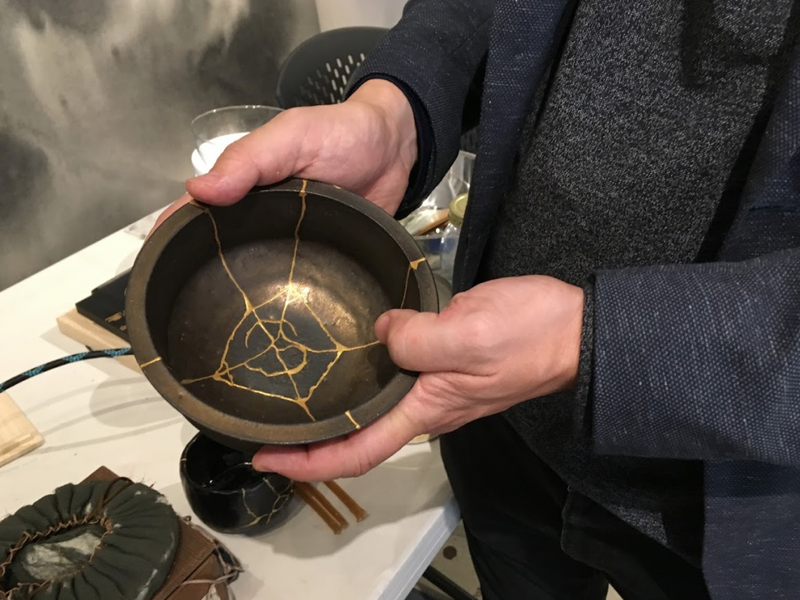
Seeking Integration in a Fragmented World: Kintsugi Integration

Fragmentation and integration are phenomena which artist Makoto Fujimura feels bodily, and about which he is concerned profoundly. What do these mean for him? How may we draw his insights into this ongoing consideration—itself integrative—of integration in a fragmented world? Thus far I have been acquainting you with matters already…

by Esther Lightcap MeekJune 28, 2018

Showing page 91 of 309

See all

Showing page 9 of 43

See all

Seal of Baptism

In an 1873 article in the Mercersburg Review, E.V. Gerhart, a professor at Mercersburg seminary, argued that nineteenth-century views of baptism had departed radically from the viewpoint of the Protestant confessions: “Claiming to be the faithful representative of Reformational ideas, the religious press of our day, generally at least, denies,…

February 28, 2014

Renewed in Baptism

E.V. Gerhart argues in his 1873 Mercersburg Review article that the Heidelberg Catechism teaches that “Baptism makes the sinner a new man.” He explains: “The word ‘renewed’ in this connection . . . is to be taken as affirming a new organic relation of the subject of Baptism with Christ,…

February 28, 2014

Historicism’s Dilemmas

At the beginning of her The Philosophical Question of Christ , Caitlin Smith Gilson sketches the multiple dilemmas of historicism. Historicism “takes the historicist out of history,” which is not only paradoxical but, on historicist terms, impossible, since outside history “there is no place to be” (xiii). How does this…

February 28, 2014

Pity the Subversive

Frank Kermode summarizes Alain Robbe-Grillet’s experimental novel, In the Labyrinth , in his The Sense of an Ending : “the soldier who is the central figure only slowly emerges (in so far as he does emerge) from other things, the objects described with equal objectivity, such as the mysterious packet…

February 27, 2014

Voluntary Impurity

In a contribution to Women and Water: Menstruation in Jewish Life and Law , Leslie Cook helpfully traces the differentiations of Leviticus back to the divisions of creation. In the creation accounts, God is differentiated from human beings and human beings from nature by “body, blood, food, time, and space”…

February 27, 2014

Bringing up the Cud

To be accounted clean, land animals have to “chew the cud.” The Hebrew for “chew” is alah , to bring up or to ascend. That’s quite literal. Animals that chew the cud swallow, and then regurgitate the food back to the mouth to chew. By the time we get to…

February 27, 2014

Showing page 671 of 2212

Browse by Category

In Medias Res

Your weekly digest for all things Theopolis.

Donate

Theopolis is nearly 100% donor-supported. Consider joining us on our mission.