Theopolis Logo

Writing

Explore our collection of theological essays, biblical studies, and reflections on faith and culture.

See all
e99a9334
Advent

Stretching Christmas

For many people Christmas comes on December 25 and is over December 26. The tree is taken down along with the lights and the other decorations, and everyone begins setting the house in order for the new year. No more Christmas hymns. No more celebrations (well, until New Year’s Eve).…

by Steve WilkinsDecember 24, 2016
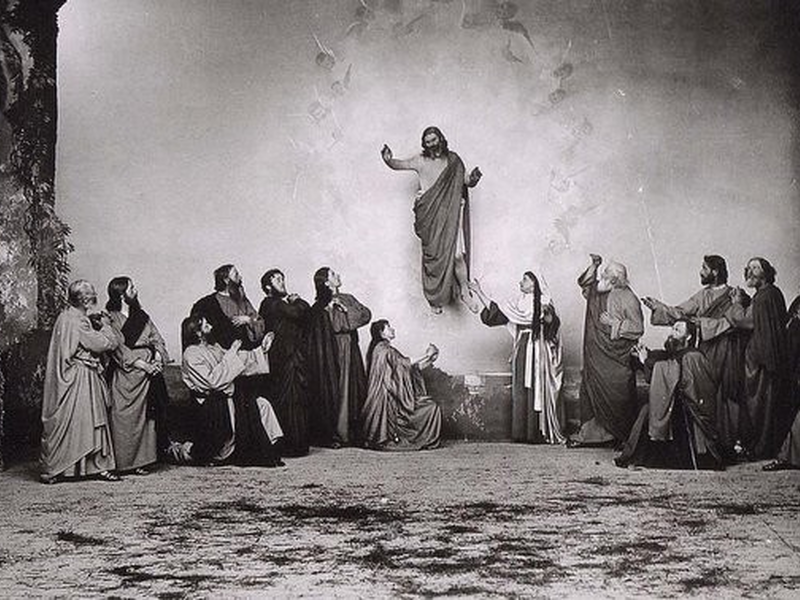
ascension
Advent

Ascension and Incarnation

The Ascension and the Incarnation should not be disconnected in our Christmas thinking or celebrations. As N.T. Wright notes, the ascension is "a central and vital feature without which all sorts of other things start to go demonstrably wrong. . . . where the ascension has been ignored or misunderstood,…

by Roy AtwoodDecember 23, 2016
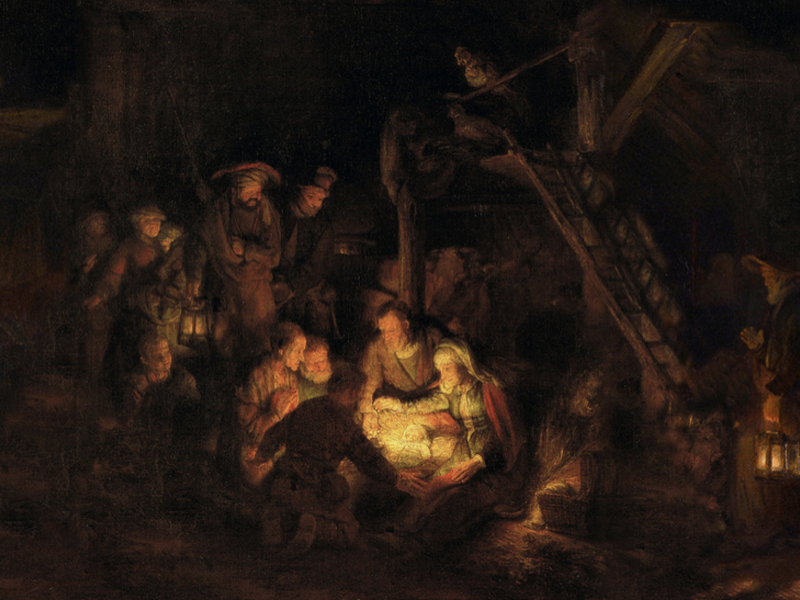
nativity-rembrandt
Advent

Christmas Light

“In the Word was life, and the life was the light of men. And the light shines in the darkness.” Thus John describes the incarnation of the Son. He comes as the living and life-giving light of the world. That’s good news. In the beginning, God spoke and light shone…

by Peter LeithartDecember 23, 2016
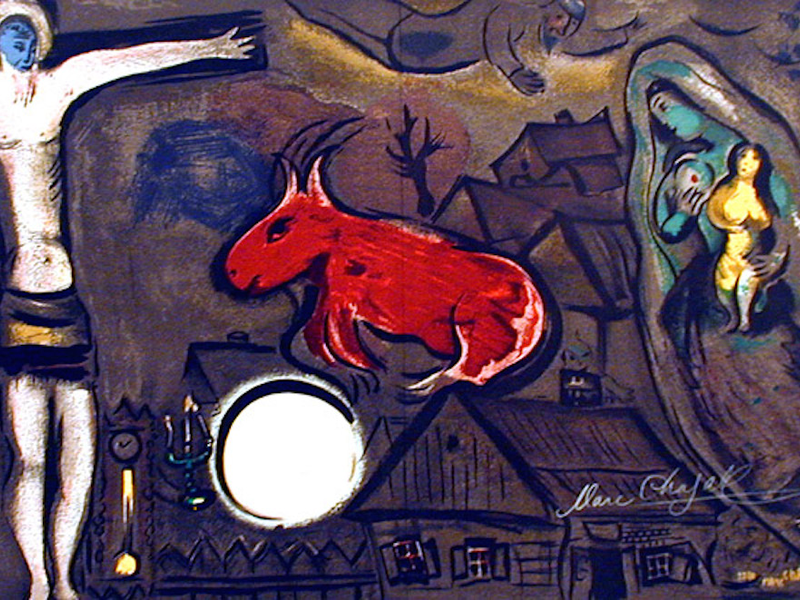
nativity-chagall
Advent

The Spirit of Christmas

Christmas is all about Jesus. The angels announce Jesus’ birth, shepherds and wise men come to see Jesus, Herod wants to kill Jesus. We occasionally think of the Father who sent the Son, but we keep returning to the Son made flesh in Bethlehem’s manger. Meanwhile, as always, the Spirit…

by Peter LeithartDecember 22, 2016
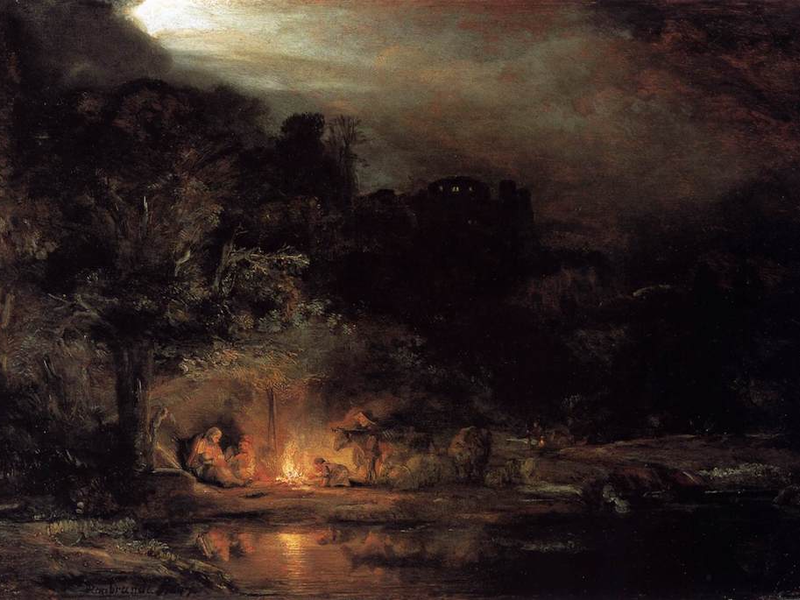
nativity
Advent

The Humility of God

Christmas is about many things, but one of the chief things revealed in the gospel of Christmas is the humility of God. We don't often think of humility as an attribute of God. If God is glorious and exalted, we think, He must be haughty and proud and self-centered. We…

by Peter LeithartDecember 21, 2016
screenshot-2025-12-15-at-8-35-45-am
Advent

Advent of Unity

John famously begins his Gospel with a piece of theology: “In the beginning was the Word, and the Word was with God, and the Word was God.” Matthew starts with a genealogy. John celebrates Advent with a hymn, Matthew with a list. For John, Jesus is the Word of creation…

by Peter LeithartDecember 20, 2016

Showing page 120 of 309

See all
See all

Holy Spirit

Near the end of his fifth oration, Gregory flies off into an ecstatic review of the Spirit’s work and titles.  It is in some ways standard pneumatology, but the overwhelming rhetorical flood has never been surpassed. “Christ is born; the Spirit is His Forerunner. He is baptized; the Spirit bears…

November 10, 2009

Contrasted being

Gregory’s fifth oration again: Human nature “has a unity which is only conceivable in thought; and the individuals are parted from one another very far indeed, both by time and by dispositions and by power.  For we are not only compound beings, but also contrasted beings, both with one another…

November 10, 2009

Adam, Eve, Seth

From Gregory’s fifth oration, defending the divinity and consubstantiality of the Spirit: “What was Adam?  A creature of God.  What then was Eve?  A fragment of the creature.  And what was Seth?  The begotten of both.  Does it then seem to you that Creature and Fragment and Begotten are the…

November 10, 2009
Philosophy

Antifoundationalism

In the second of his “theological orations,” Gregory Nazianzen catalogs the impenetrable mysteries of creation: “How is it,” he asks, “that the earth stands solid and unswerving?  On what is it supported?  What is it that props it up, and on what does that rest?” And then: “For indeed reason…

November 10, 2009

Graced nature

Cunningham again, arguing that a creation made by a loving Creator cannot be pure nature: “Traditionally, God’s long-term ‘involvement’ with an care for the world has been emphasized through the theological category of grace .  In creating the world, God wills into existence something radically other-than-God; but the world’s ‘otherness’…

November 10, 2009

Retroactive Causality

In his brilliant, flawed These Three are One: The Practice of Trinitarian Theology (Challenges in Contemporary Theology) , David Cunningham notes how the doctrine of the Trinity implies retroactive causality: “At first, we might assume that a father precedes his son, both logically and temporally; but this is an illusion.…

November 10, 2009

Showing page 1325 of 2212

Browse by Category

In Medias Res

Your weekly digest for all things Theopolis.

Donate

Theopolis is nearly 100% donor-supported. Consider joining us on our mission.