Theopolis Logo

Writing

Explore our collection of theological essays, biblical studies, and reflections on faith and culture.

See all
e99a9334
Advent

Stretching Christmas

For many people Christmas comes on December 25 and is over December 26. The tree is taken down along with the lights and the other decorations, and everyone begins setting the house in order for the new year. No more Christmas hymns. No more celebrations (well, until New Year’s Eve).…

by Steve WilkinsDecember 24, 2016
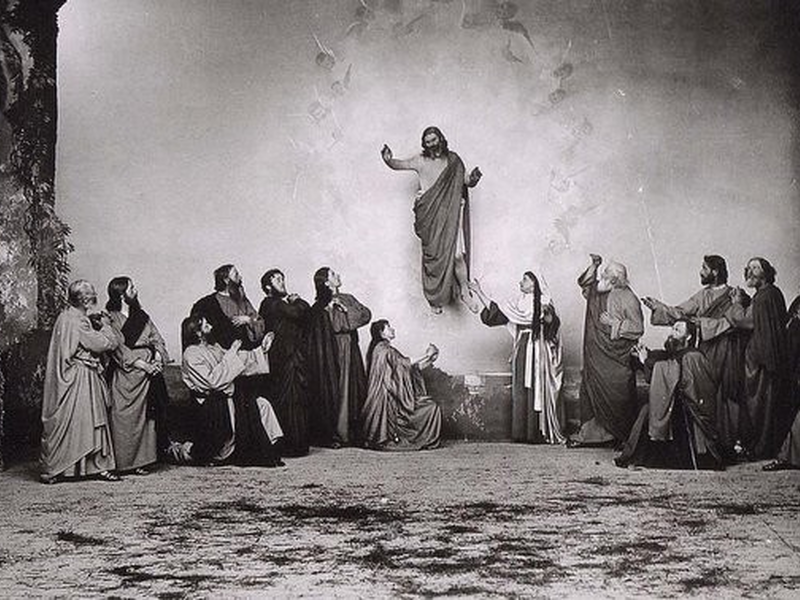
ascension
Advent

Ascension and Incarnation

The Ascension and the Incarnation should not be disconnected in our Christmas thinking or celebrations. As N.T. Wright notes, the ascension is "a central and vital feature without which all sorts of other things start to go demonstrably wrong. . . . where the ascension has been ignored or misunderstood,…

by Roy AtwoodDecember 23, 2016
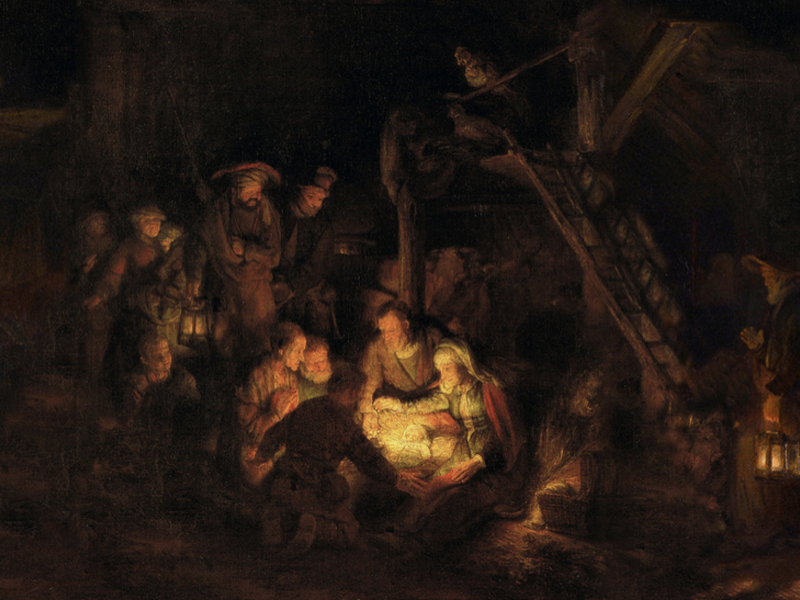
nativity-rembrandt
Advent

Christmas Light

“In the Word was life, and the life was the light of men. And the light shines in the darkness.” Thus John describes the incarnation of the Son. He comes as the living and life-giving light of the world. That’s good news. In the beginning, God spoke and light shone…

by Peter LeithartDecember 23, 2016
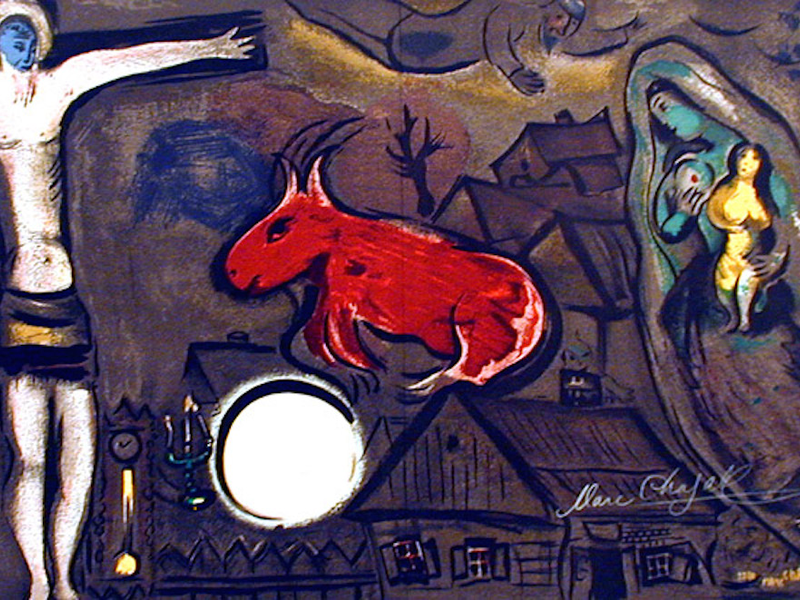
nativity-chagall
Advent

The Spirit of Christmas

Christmas is all about Jesus. The angels announce Jesus’ birth, shepherds and wise men come to see Jesus, Herod wants to kill Jesus. We occasionally think of the Father who sent the Son, but we keep returning to the Son made flesh in Bethlehem’s manger. Meanwhile, as always, the Spirit…

by Peter LeithartDecember 22, 2016
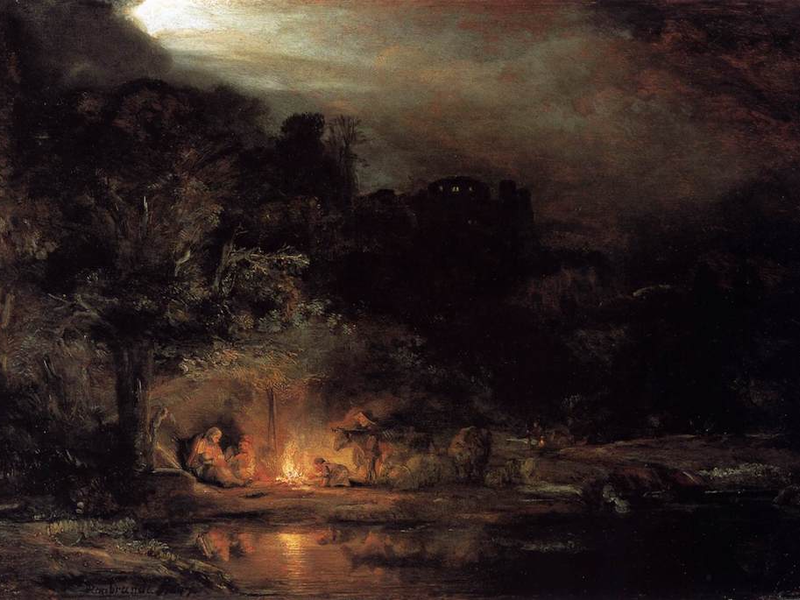
nativity
Advent

The Humility of God

Christmas is about many things, but one of the chief things revealed in the gospel of Christmas is the humility of God. We don't often think of humility as an attribute of God. If God is glorious and exalted, we think, He must be haughty and proud and self-centered. We…

by Peter LeithartDecember 21, 2016
screenshot-2025-12-15-at-8-35-45-am
Advent

Advent of Unity

John famously begins his Gospel with a piece of theology: “In the beginning was the Word, and the Word was with God, and the Word was God.” Matthew starts with a genealogy. John celebrates Advent with a hymn, Matthew with a list. For John, Jesus is the Word of creation…

by Peter LeithartDecember 20, 2016

Showing page 120 of 309

See all
See all
Art

Aesthetic enjoyment

Adorno writes that enjoyment is not the be-all of art.  Certainly it isn’t for the producers of art: “If you ask a musician if he enjoys playing his instrument, he will probably reply: ‘I hate it’ . . . People who have a genuine relation to art would rather immerse…

September 24, 2009

Soteriology in time

Soteriology is eschatology, and that means soteriology  has to have an already/not yet structure.  Rejecting either justification by faith or judgment according to works breaks the bond of eschatology and soteriology.  Another way to say this is soteriology is about what happens in time . The alternatives are: 1) Antinomian:…

September 23, 2009

God acknowledging God

Commenting on the “seal” in Song of Songs 4:12, Luther writes, “In the same way we Christians are now sealed by the Word, Baptism, and the Sacramental of the Altar, by which we are distinguished from all other races, not just before the world, but rather in God’s own judgment.”…

September 23, 2009

Film, actors and audience

In his classic essay on the “work of art in the age of mechanical reproduction,” Walter Benjamin made some trenchant observations on the way film affects actors and audiences.   Importantly, he believes these effects are not the result of some perversion of the medium of film, but inherent in…

September 23, 2009

Adam and Elohim

Paul Niskanen has an insightful analysis of Genesis 1:27 in the latest JBL .  He starts with the question of whether Barth’s view that the image of God is found in relationality and specifically in sexual difference has any exegetical support.  He reviews the current discussion, and notes that there…

September 23, 2009

Heidegger’s hermeneutics

Ouch!  Schaeffer again, this time on Heidegger’s interpretive methods: “Paraphrase, translation, dismantling of the syntax, making the text autonomous with regard to the concrete subject who utters it, absolute silence regarding the poetic form: to these five characteristics we must add hermeneutic authoritarianism,” the last of which “postulates an opposition…

September 22, 2009

Showing page 1346 of 2212

Browse by Category

In Medias Res

Your weekly digest for all things Theopolis.

Donate

Theopolis is nearly 100% donor-supported. Consider joining us on our mission.