Theopolis Logo

Writing

Explore our collection of theological essays, biblical studies, and reflections on faith and culture.

See all
paul
Romans

The Politics of Justification

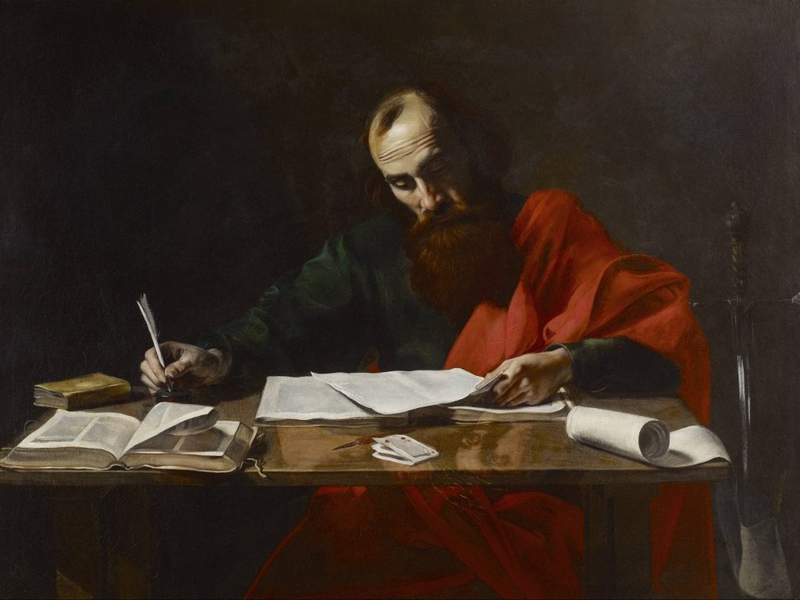
The doctrine of justification is precious among Protestants. And it should be. The fact that God has declared our sins forgiven and that we have a righteous standing in the sight of God united to Christ is comforting and brings great joy. Unfortunately, the biblical teaching on justification is, many…

by Bill SmithNovember 21, 2017
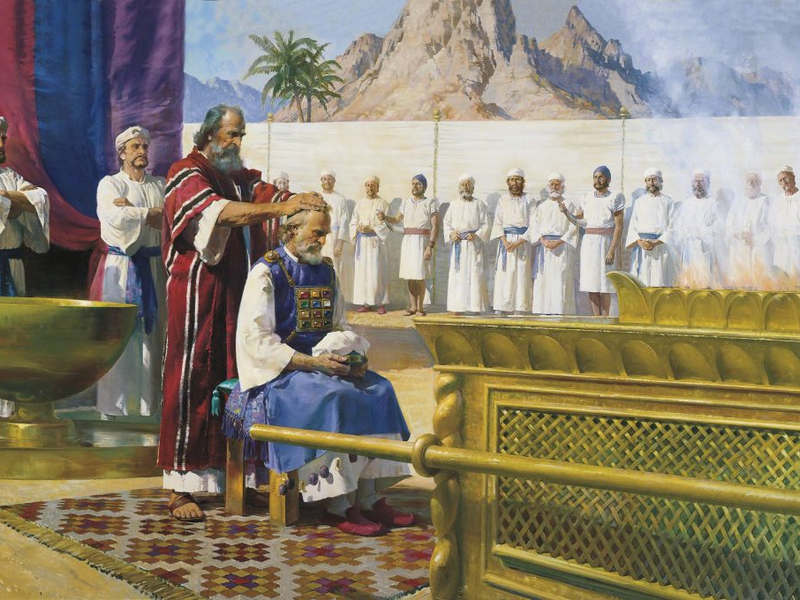
moses-gives-aaron-priesthood-39465-wallpaper
Priest

What is a Priest?

The Old Testament priests were given a number of seemingly disparate duties. As everyone knows, the priests led the sacrificial worship of Israel; only the priests could sprinkle blood on the altar or within the tabernacle, and only they could approach the altar to turn sacrificial animals into smoke. But…

by Peter LeithartNovember 17, 2017
img_0166-2
Liturgy

Ite, Missa Est

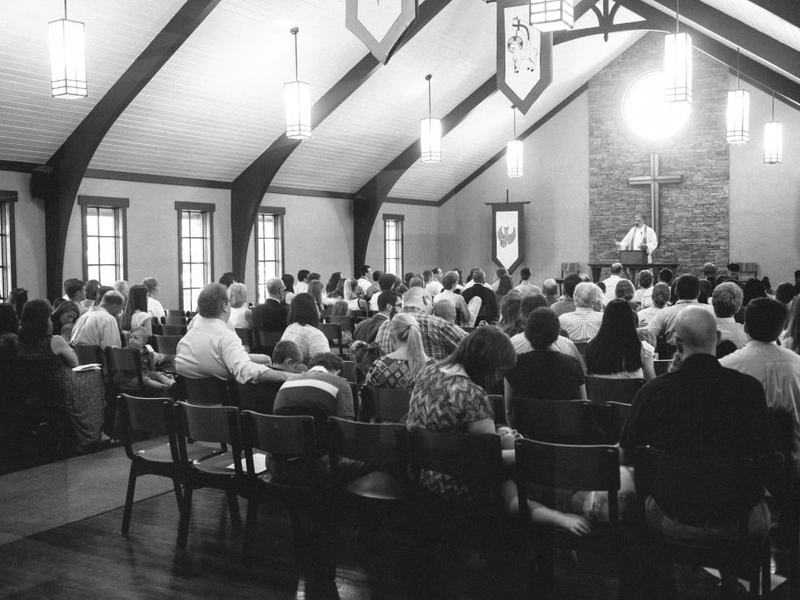
M issional ecclesiology is all the rage these days, but for many being “missional” means downplaying or even eliminating concern for the “internal” life of the church, particularly its liturgical life. Missional and liturgical, mission and communio , are locked in zero-sum combat. That cannot be right. The liturgy is…

by Peter LeithartNovember 14, 2017
sixteen-miles-out-al48tflf4e8-unsplash
Romans

The New Gospel

An old friend of mine, now passed into Heaven, started to say this in relationship to his sometimes troubled family, in the last quarter of his life, "I just had to take responsibility for the whole thing..." That was the seed for a new reading of the Gospel for me,…

by Richard BledsoeNovember 9, 2017
reformers
Reformation

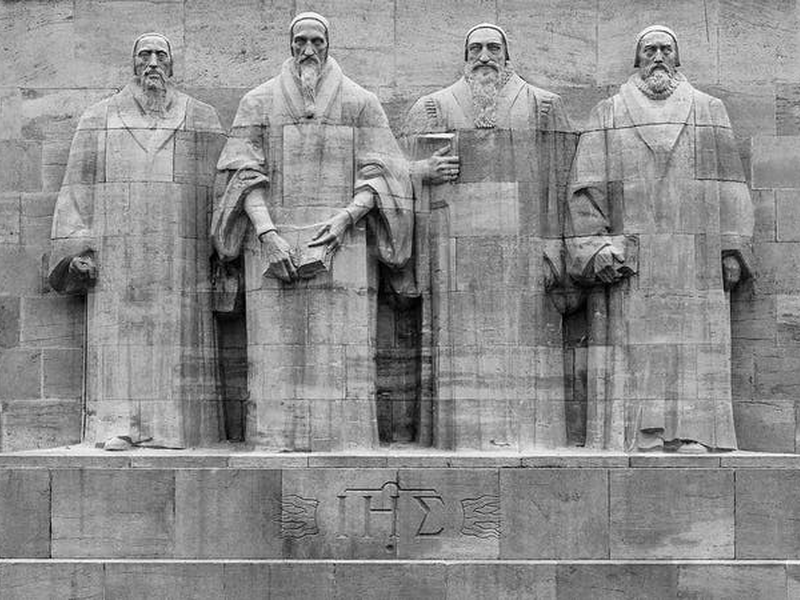
Reformation Retrospection

She departed the port, dressed in her best ceremonial regalia, with tassels and flags fluttering from her mast and rigging. She stood tall, robed in mist, crowned in white, and backlit by the rising sun. There she sat, shimmering and spotless; with a perfect ragtop, and a full tank of…

by Jon HerrNovember 7, 2017
screen-shot-2017-11-02-at-12-43-15-pm
Revelation

Locusts and Honey

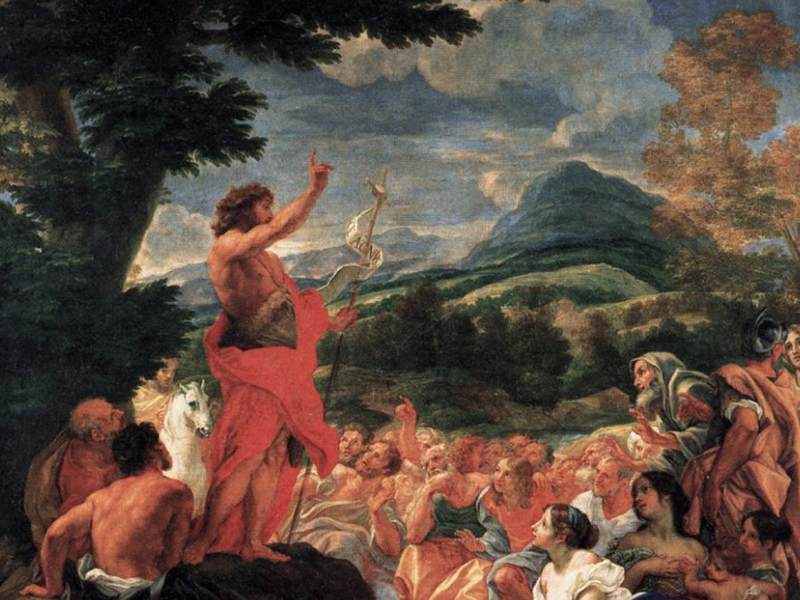
John the Baptist is presented in the gospels as the fulfillment of the Old Testament promise that God would send His messenger to prepare the way for the coming of the glory of the Lord (Is. 40), and the promise to send Elijah before Him to turn the people to…

by Peter LeithartNovember 2, 2017

Showing page 103 of 309

See all
See all

Articulated time

According to Pickstock, Augustine’s musical ontology is not a mere subordination of space to time, or a univocal “Dionysian flow”: “just as important as the priority of time, for Augustine, is the insistence on articulation into distinct musical units or phrases, the very move which allows a stress upon the simultaneity…

September 14, 2009

Creation ex nihilo

Nothing comes from nothing.  That seems obvious, and Christians have traditionally had some difficulty explaining why creatio ex nihilo is a defensible violation of that basic principle. According to Catherine Pickstock, Augustine viewed creation ex nihilo as the most rational position.  All around us, “things are continuously coming to be…

September 14, 2009
Politics

Secular

In responding to Milbank’s analysis of Augustine on the secular, RA Markus ( Christianity And the Secular (Blessed Pope John XXIII Lecture Series in Theology and Culture) ) borrows MJ Hollerich’s summary of Milbank that there is no “neutral public sphere in which people can act politically without reference to…

September 14, 2009
Art

Kantradictions

Jean-Marie Schaeffer ( Art of the Modern Age: Philosophy of Art from Kant to Heidegger (New French Thought Series) has a blast pointing out the contradictions in Kant’s aesthetics. Most of them arise from Kant’s insistence that the judgment of taste is founded on “the form of a finality” that…

September 12, 2009
Philosophy

Effects and Causes

Can effects double as causes? Kant, still working with some form of final causality, thinks so: There are cases when “the thing that for the moment is designated effect deserves none the less, if we take the series regressively, to be called the cause of the thing of which it…

September 12, 2009
Art

Gnostikant

Evidence that Hamann had Kant right: In explaining taste as a common sense, he notes that this common sense of beauty can be arrived at by a process of stripping off whatever belongs to our perception and prejudice. That is, we put “ourselves in the position of every one else,…

September 12, 2009

Showing page 1351 of 2212

Browse by Category

In Medias Res

Your weekly digest for all things Theopolis.

Donate

Theopolis is nearly 100% donor-supported. Consider joining us on our mission.