Theopolis Logo

Writing

Explore our collection of theological essays, biblical studies, and reflections on faith and culture.

See all
tree-2
Creation

This Is Our Home

In the beginning, this was home. The world, I mean. Creation wasn’t just a series of unconnected events, a flashy display of building prowess. Yes, creation was intended to give God glory—which I guess you could say means that the creation was supposed to show the greatness—the weight —of God.…

by Tim GallantSeptember 19, 2017
img_5107
Theopolis News

Theopolis Institute Regional Course: Who is God?

We think we know. God is a stern Rule-Maker who has a bit of an anger management problem. Or, God is the indulgent Daddy in the sky. Or, God used to be a stern Ruler, but he got nice. Christians don't believe any of that. Christians say the one God…

by TheopolisSeptember 19, 2017
e99a2313
Baptism

God is Shouting, "Baptism Saves!"

Unfortunately today, baptism seems so… tiny . It’s actually… cute (maybe sweet?) when it’s given to a child. A little baby, a small gathering of people, a little bowl of water, tiny drops sprinkled upon the little baby’s head followed by a small applause and a short prayer. How… small!…

by Mani MarprelateSeptember 14, 2017
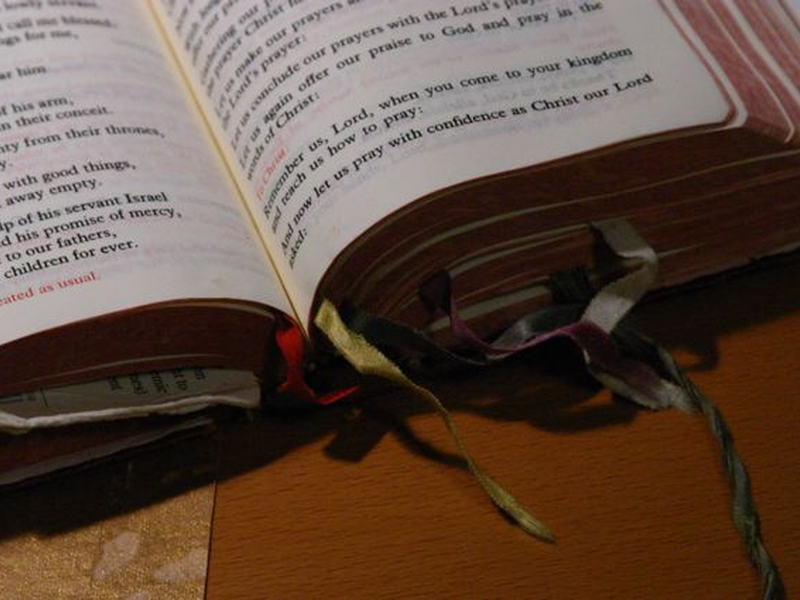
breviaryworn
Prayer

Reflections on Reformation: Why Pray the Hours?

Early on in the history of the church, Christians understood that the 1st century Jewish practice of meeting for prayer at set times of the day was a good and biblical practice to continue. We find references to this in several places in Scripture. In Acts 3 we find Peter…

by Timothy LeCroySeptember 12, 2017
emmanuel-phaeton-1bwmfmvybi8-unsplash
Biblical Studies

Navigating and Celebrating the Complexity of Scripture: A Conversation with Richard Hays

Editors’ note: For those interested in a review of Richard Hays’s latest book, see here . Richard Hays is a renowned New Testament scholar. The professor of New Testament at Duke Divinity School originally studied English literature, giving his reading of Scripture a pronounced literary sensibility. He’s perhaps best known…

by Alastair RobertsSeptember 7, 2017
hebrew-manuscript-2
Genesis

Toledoth and the Structure of Genesis

As many commentators point out, Genesis is structured by 10 uses of the word toledoth , "generations." The word means something along the lines of "begotten things," and the toledoth statements head the various sections of Genesis. When Genesis 2:4 announces "these are the begettings of heaven and earth" and…

by Peter LeithartSeptember 5, 2017

Showing page 106 of 309

See all
See all
History

Constantine, Feminist

Mathew Kuefler ( The Manly Eunuch: Masculinity, Gender Ambiguity, and Christian Ideology in Late Antiquity (The Chicago Series on Sexuality, History, and Society) ) notes that the traditional Roman patria potestas , and the male sexual privileges associated with it, were already waning in the early empire. But Constantine gave…

June 3, 2009

Words and Word

Radner has these final comments on the hermeneutics of the “holiness code”: “The difference between the sexual laws of Lev. 18 and the laws of clean and unclean flesh in Lev. 11 cannot simply lie in their respective relation to teh category of ceremonial character. The difference lies in the…

June 3, 2009

Way of God’s Arrival

Radner finds part of the fulfillment of the figures of Leviticus 18 in the genealoty of Jesus. On the one hand, Jesus’ own genealogy includes sexually illicit acts (Tamar, Rahab, Bathsheba) and the various sins (not only sexual, but idolatry and oppression) represented in the genealogy eventually lead to Israel’s…

June 3, 2009

Figures of sex

In dealing with the sexual legislation of Leviticus 18, Ephraim Radner ( Leviticus (Brazos Theological Commentary on the Bible) ) employs a figural/prophetic framework rather than a more traditional ceremonial/moral one. The results are intriguing. The prohibition of adultery, for instance, is “fulfilled by means of confession, self-recognition, forgiveness, and…

June 3, 2009
Politics

Democracy fulfilled

Drake notes the unique “democratic” flavor of the churcfh in the fourth century: “Christianity restored to common people an outlet for popular participation which they were denied in imperial politics. Eusebius [of Caesarea’s] awkward letter to his confregation from Nicaea, Constantine’s frequent letters to the Christians of Nicomedia, Alexandria, or…

June 2, 2009
History

Cyrus and Civilizing Process

Xenophon’s Cyrus provides a good illustration of Elias’s theory: “He trained his associates also not to spit or to wipe the nose in public, and not to turn round to look at anything, as being men who wondered at nothing. All this he thought contributed, in some measure, to their…

June 2, 2009

Showing page 1374 of 2212

Browse by Category

In Medias Res

Your weekly digest for all things Theopolis.

Donate

Theopolis is nearly 100% donor-supported. Consider joining us on our mission.