Theopolis Logo

Writing

Explore our collection of theological essays, biblical studies, and reflections on faith and culture.

See all
e99a9334
Advent

Stretching Christmas

For many people Christmas comes on December 25 and is over December 26. The tree is taken down along with the lights and the other decorations, and everyone begins setting the house in order for the new year. No more Christmas hymns. No more celebrations (well, until New Year’s Eve).…

by Steve WilkinsDecember 24, 2016
ascension
Advent

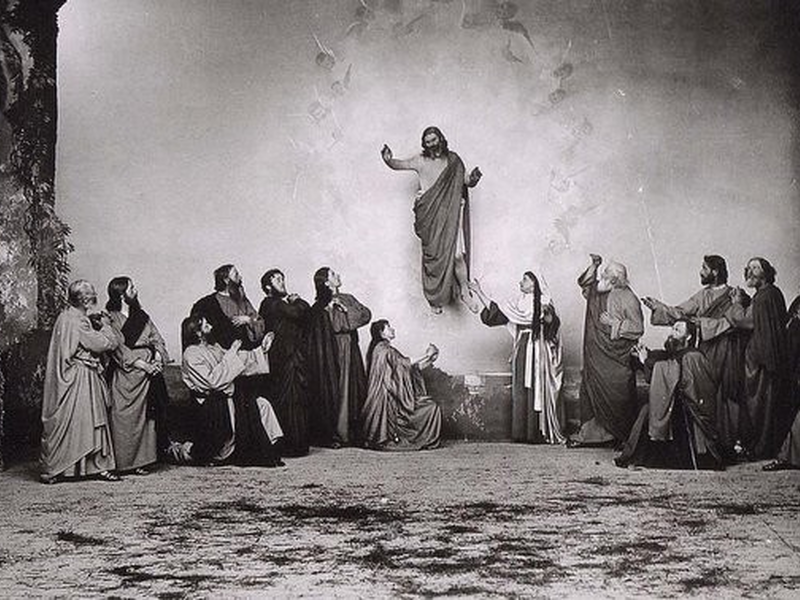
Ascension and Incarnation

The Ascension and the Incarnation should not be disconnected in our Christmas thinking or celebrations. As N.T. Wright notes, the ascension is "a central and vital feature without which all sorts of other things start to go demonstrably wrong. . . . where the ascension has been ignored or misunderstood,…

by Roy AtwoodDecember 23, 2016
nativity-rembrandt
Advent

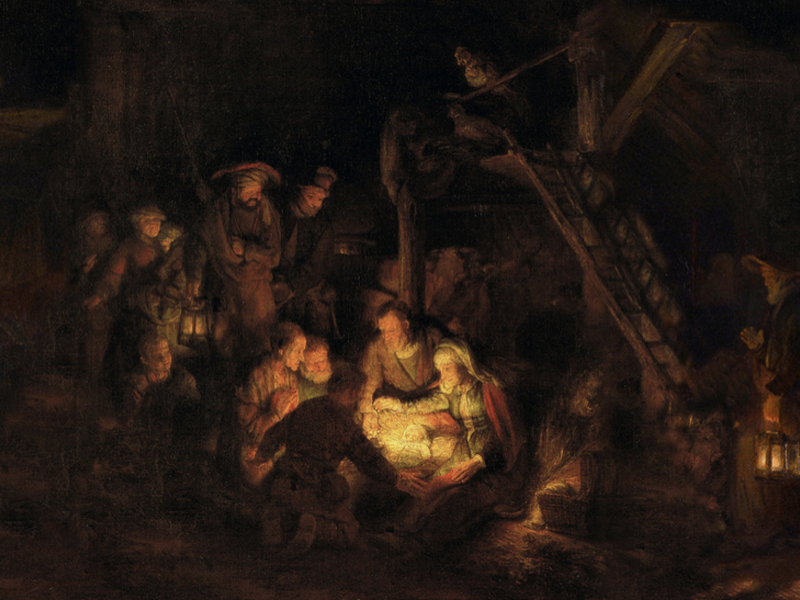
Christmas Light

“In the Word was life, and the life was the light of men. And the light shines in the darkness.” Thus John describes the incarnation of the Son. He comes as the living and life-giving light of the world. That’s good news. In the beginning, God spoke and light shone…

by Peter LeithartDecember 23, 2016
nativity-chagall
Advent

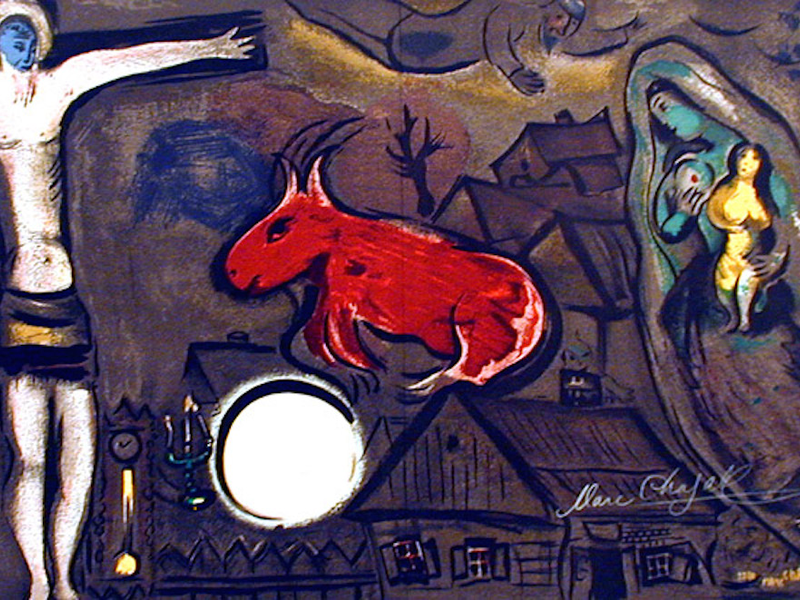
The Spirit of Christmas

Christmas is all about Jesus. The angels announce Jesus’ birth, shepherds and wise men come to see Jesus, Herod wants to kill Jesus. We occasionally think of the Father who sent the Son, but we keep returning to the Son made flesh in Bethlehem’s manger. Meanwhile, as always, the Spirit…

by Peter LeithartDecember 22, 2016
nativity
Advent

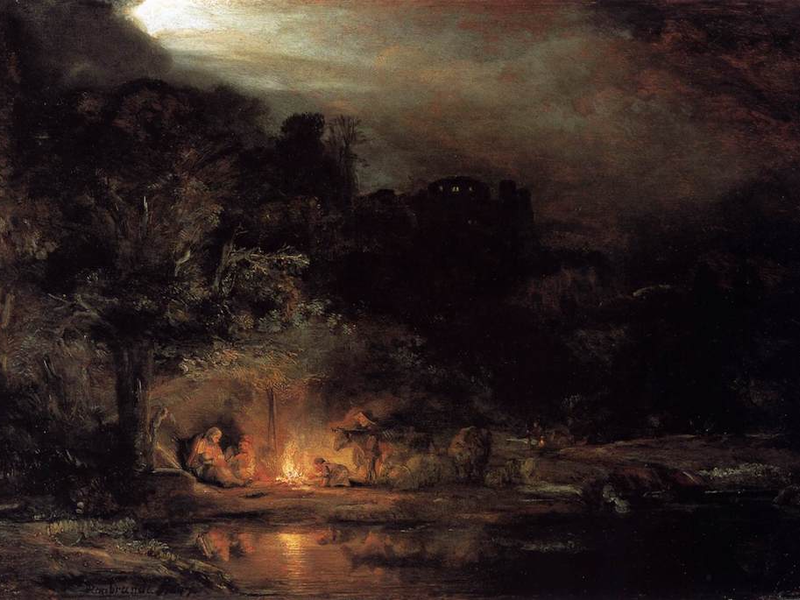
The Humility of God

Christmas is about many things, but one of the chief things revealed in the gospel of Christmas is the humility of God. We don't often think of humility as an attribute of God. If God is glorious and exalted, we think, He must be haughty and proud and self-centered. We…

by Peter LeithartDecember 21, 2016
screenshot-2025-12-15-at-8-35-45-am
Advent

Advent of Unity

John famously begins his Gospel with a piece of theology: “In the beginning was the Word, and the Word was with God, and the Word was God.” Matthew starts with a genealogy. John celebrates Advent with a hymn, Matthew with a list. For John, Jesus is the Word of creation…

by Peter LeithartDecember 20, 2016

Showing page 120 of 309

See all
See all
History

Constantine, Feminist

Mathew Kuefler ( The Manly Eunuch: Masculinity, Gender Ambiguity, and Christian Ideology in Late Antiquity (The Chicago Series on Sexuality, History, and Society) ) notes that the traditional Roman patria potestas , and the male sexual privileges associated with it, were already waning in the early empire. But Constantine gave…

June 3, 2009

Words and Word

Radner has these final comments on the hermeneutics of the “holiness code”: “The difference between the sexual laws of Lev. 18 and the laws of clean and unclean flesh in Lev. 11 cannot simply lie in their respective relation to teh category of ceremonial character. The difference lies in the…

June 3, 2009

Way of God’s Arrival

Radner finds part of the fulfillment of the figures of Leviticus 18 in the genealoty of Jesus. On the one hand, Jesus’ own genealogy includes sexually illicit acts (Tamar, Rahab, Bathsheba) and the various sins (not only sexual, but idolatry and oppression) represented in the genealogy eventually lead to Israel’s…

June 3, 2009

Figures of sex

In dealing with the sexual legislation of Leviticus 18, Ephraim Radner ( Leviticus (Brazos Theological Commentary on the Bible) ) employs a figural/prophetic framework rather than a more traditional ceremonial/moral one. The results are intriguing. The prohibition of adultery, for instance, is “fulfilled by means of confession, self-recognition, forgiveness, and…

June 3, 2009
Politics

Democracy fulfilled

Drake notes the unique “democratic” flavor of the churcfh in the fourth century: “Christianity restored to common people an outlet for popular participation which they were denied in imperial politics. Eusebius [of Caesarea’s] awkward letter to his confregation from Nicaea, Constantine’s frequent letters to the Christians of Nicomedia, Alexandria, or…

June 2, 2009
History

Cyrus and Civilizing Process

Xenophon’s Cyrus provides a good illustration of Elias’s theory: “He trained his associates also not to spit or to wipe the nose in public, and not to turn round to look at anything, as being men who wondered at nothing. All this he thought contributed, in some measure, to their…

June 2, 2009

Showing page 1374 of 2212

Browse by Category

In Medias Res

Your weekly digest for all things Theopolis.

Donate

Theopolis is nearly 100% donor-supported. Consider joining us on our mission.