Theopolis Logo

Writing

Explore our collection of theological essays, biblical studies, and reflections on faith and culture.

See all
tim-marshall-k2u71wv2ei4-unsplash
Modernity

Protestantism and the Postmodern self

Postmodernism has, we are told, “decentered” the modern self, that unified, sovereign, isolated, godlike “thinking thing” discovered by Rene Descartes. The postmodern self is not single but multiple; not sovereign but controlled by external forces; not isolated but “embedded” in the world and in relation; not godlike, but human, all…

by Peter LeithartMay 6, 2013

kiwihug-l4gw27xzn1i-unsplash
Matthew

Law and History: How to Read the Law of Moses (Part 8)

This is the eighth in a series of studies on Deuteronomy 22:30-23:8. And Jesus went out thence, and withdrew into the parts of Tyre and Sidon. And behold, a Canaanitish woman came out from those borders, and cried, saying, Have mercy on me, O Lord, thou son of David; my…

by Ralph Allan SmithMay 1, 2013
screen-shot-2023-09-20-at-7-04-07-am
Augustine

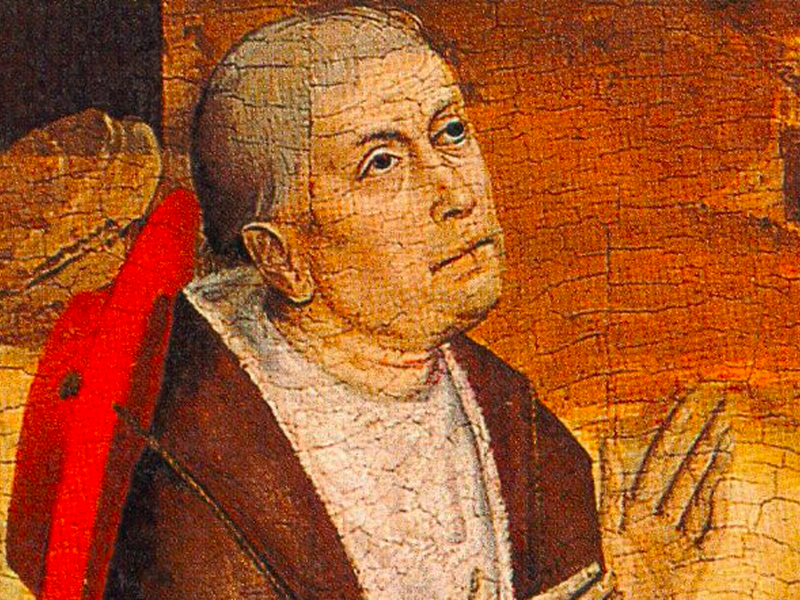
A Cusan Modernity?

The fifteenth-century German Cardinal Nicholas of Cusa led a busy and wide-ranging life. Educated in liberal arts and law at Heidelberg and Padua, Nicholas was a leading figure in the Conciliarist movement, and later served as a papal legate to both Constantinople and throughout Germany. As Bishop of Brixen, he…

by Peter LeithartApril 29, 2013
screenshot-2023-07-27-at-10-25-35-am
Deuteronomy

Law and History: How to Read the Law of Moses (Part 7)

This is the seventh in a series of studies on Deuteronomy 22:30-23:8. Thou shalt not abhor an Edomite, for he is thy brother; thou shalt not abhor an Egyptian, because thou wast a sojourner in his land. The children of the third generation that are born unto them shall enter…

by Ralph Allan SmithApril 25, 2013
ivan-aleksic-16yxcjsoaek-unsplash
Romans

What Advantage the Jew?

A sermon on Romans 3:1-8. 1 Then what advantage has the Jew? Or what is the value of circumcision? 2 Much in every way. To begin with, the Jews were entrusted with the oracles of God. A lot of people speculate here about what kind of advantage Paul is talking…

by Mark HorneApril 22, 2013
screenshot-2023-07-27-at-10-25-35-am
Deuteronomy

Law and History: How to Read the Law of Moses (Part 6)

This is the sixth in a series of studies on Deuteronomy 22:30-23:8. An Ammonite or a Moabite shall not enter into the assembly of Yahweh; even to the tenth generation shall none belonging to them enter into the assembly of Yahweh forever: because they met you not with bread and…

by Ralph Allan SmithApril 17, 2013

Showing page 195 of 309

See all
See all
History

Missing Sunday School

Robin Lane Fox ( Pagans and Christians ) summarizes Constantine’s telling of the story of Daniel: In the court of Cambyses, Daniel “worked his miracles and prayed intently three times a day. The Magi became jealous of this new superior, and so he cast him to lions in the royal…

March 26, 2009
History

Religion of the Paperback

That’s how Stroumsa describes early Christianity, because of its preference for the small, portable codex over the traditional, sacred but quite cumbersome scroll. The codex had practical advantages, but Stroumsa thinks that something else was at work: “In going against all religious and cultural norms, the Christians manifestly knew that…

March 25, 2009
History

End of Sacrifice

Guy Stroumsa’s book, The End of Sacrifice (just released from the University of Chicago) is small in size but raises huge questions. Based on lectures delivered at the College de France, Stroumsa’s book examines religious, religio-political and religio-anthropological shifts during the first centuries after Christ. He sees several new emphases…

March 25, 2009
History

Human sacrifice

Eusebius ( Gospel Preparation , 4.17) charges that human sacrifice was regularly practiced by ancient peoples: “And whether it is Phylarchus, or any one else, who records that all the Greeks, before going out to their wars, offer a human sacrifice, do not thou hesitate to take him also as…

March 25, 2009

Magnanimity

Aristotle defined magnanimity or “great-mindedness” as a proper estimate of one’s merits: “The Great-minded man is then, as far as greatness is concerned, at the summit, but in respect of propriety he is in the mean, because he estimates himself at his real value (the other characters respectively are in…

March 25, 2009
Uncategorized

Moses and philosophy

In his Oration to the Saints , Constantine repeats the patristic commonplace that Greek philosophy owed a debt to Moses: “Moses excelled his predecessors in wisdom to such a degree that even those who were praised by the nations as wise men and philosophers came to emulate his wisdom. For…

March 25, 2009

Showing page 1401 of 2212

Browse by Category

In Medias Res

Your weekly digest for all things Theopolis.

Donate

Theopolis is nearly 100% donor-supported. Consider joining us on our mission.