Theopolis Logo

Writing

Explore our collection of theological essays, biblical studies, and reflections on faith and culture.

See all
e99a9334
Advent

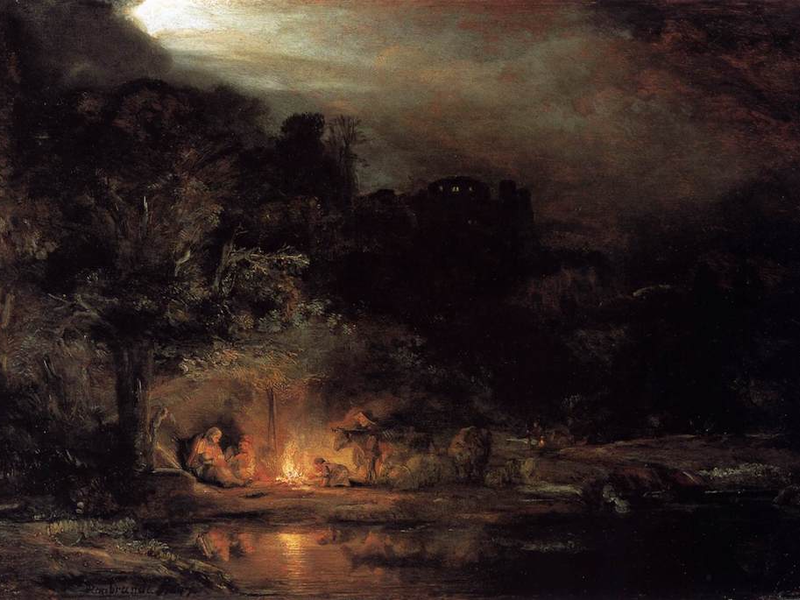
Stretching Christmas

For many people Christmas comes on December 25 and is over December 26. The tree is taken down along with the lights and the other decorations, and everyone begins setting the house in order for the new year. No more Christmas hymns. No more celebrations (well, until New Year’s Eve).…

by Steve WilkinsDecember 24, 2016
ascension
Advent

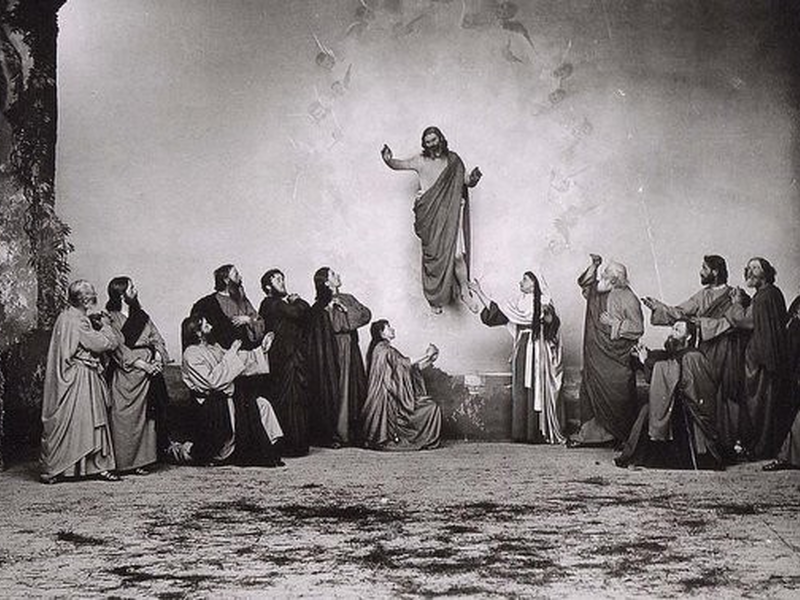
Ascension and Incarnation

The Ascension and the Incarnation should not be disconnected in our Christmas thinking or celebrations. As N.T. Wright notes, the ascension is "a central and vital feature without which all sorts of other things start to go demonstrably wrong. . . . where the ascension has been ignored or misunderstood,…

by Roy AtwoodDecember 23, 2016
nativity-rembrandt
Advent

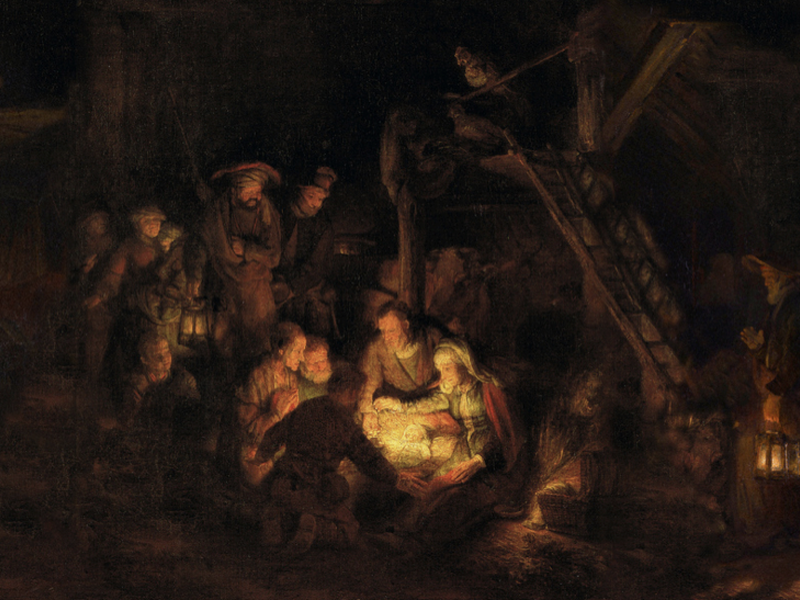
Christmas Light

“In the Word was life, and the life was the light of men. And the light shines in the darkness.” Thus John describes the incarnation of the Son. He comes as the living and life-giving light of the world. That’s good news. In the beginning, God spoke and light shone…

by Peter LeithartDecember 23, 2016
nativity-chagall
Advent

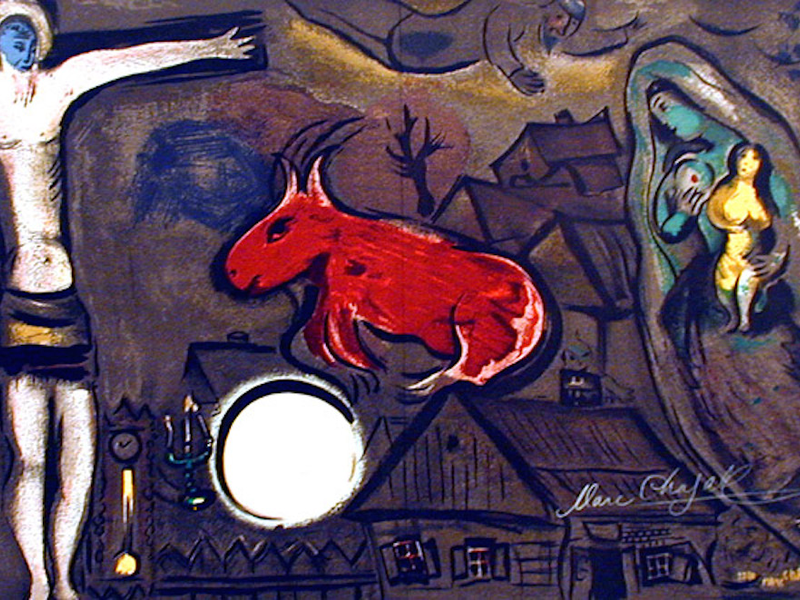
The Spirit of Christmas

Christmas is all about Jesus. The angels announce Jesus’ birth, shepherds and wise men come to see Jesus, Herod wants to kill Jesus. We occasionally think of the Father who sent the Son, but we keep returning to the Son made flesh in Bethlehem’s manger. Meanwhile, as always, the Spirit…

by Peter LeithartDecember 22, 2016
nativity
Advent

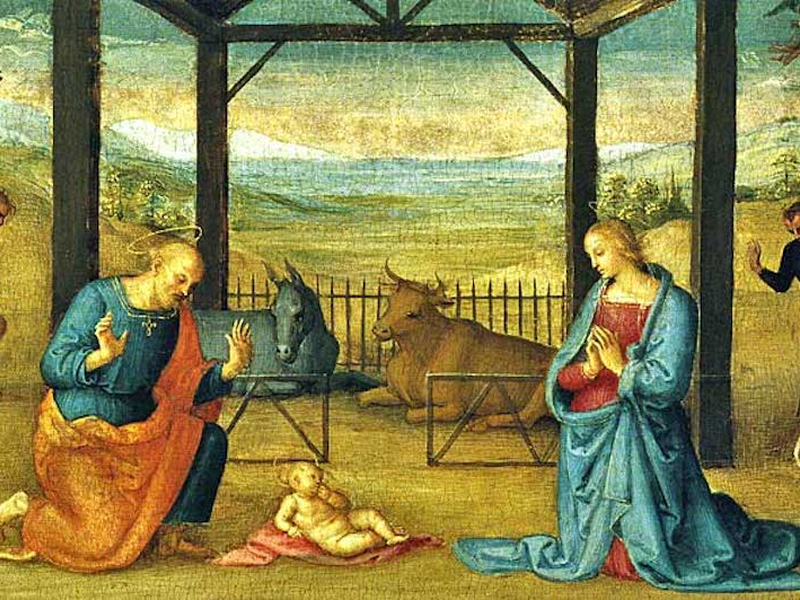
The Humility of God

Christmas is about many things, but one of the chief things revealed in the gospel of Christmas is the humility of God. We don't often think of humility as an attribute of God. If God is glorious and exalted, we think, He must be haughty and proud and self-centered. We…

by Peter LeithartDecember 21, 2016
screenshot-2025-12-15-at-8-35-45-am
Advent

Advent of Unity

John famously begins his Gospel with a piece of theology: “In the beginning was the Word, and the Word was with God, and the Word was God.” Matthew starts with a genealogy. John celebrates Advent with a hymn, Matthew with a list. For John, Jesus is the Word of creation…

by Peter LeithartDecember 20, 2016

Showing page 120 of 309

See all
See all

Modern Sphinx

Modernity, Sergei Bulgakov once said, is a sphinx. It poses a riddle, and those who cannot or will not answer the riddle are devoured. The editors of Political Theology in Orthodox Christianity cite this at the beginning of their study to highlight the ambivalence of modernity. It has both constructive…

September 22, 2017

Bach the Modern?

"One of the factors that has rendered [Bach's] Matthew Passion so successful over the course of its reception," writes John Butt ( Bach's Dialogue with Modernity , 36), "lies in its evocation of subjectivities that somehow resonate with those of the broader modern condition." Bach's Passions target "the individual believer,…

September 22, 2017

Liturgy In Secular Imagination

Alastair Roberts's contribution to Our Secular Age , a collection of essays on Charles Taylor's A Secular Age , focuses on the effect of secularism on liturgical piety. Taylor identifies "authenticity" as one of the features of our secular age, and Roberts observes that this can take the form of…

September 22, 2017

US By TR

Graham Allison's Destined for War is a study of contemporary politics, Sino-American relations in particular. Along the way, he asks what we would think if China started acting like the U.S. did as we rose to global prominence. The career of Teddy Roosevelt makes the point: “ In the decade…

September 22, 2017

Late Bloomer

William Golding, writes Allan Massie in a review of John Carey's biography in the TLS , was "a late starter, one oppressed in youth by doubts and feelings of social, and perhaps intellectual, inferiority. Until his middle forties he was a poor, reluctant and unsatisfied provincial schoolmaster." He more than…

September 22, 2017

Fire Makes the Man

John Lanchester reviews James Scott's latest ( Against the Grain ) in the New Yorker . Scott contends that human civilization is the product of our mastery of fire. Fire enabled humans to cook food, and that gave us, Scott argues, and evolutionary advantage. Chimps put a lot of (unconscious)…

September 22, 2017

Showing page 141 of 2212

Browse by Category

In Medias Res

Your weekly digest for all things Theopolis.

Donate

Theopolis is nearly 100% donor-supported. Consider joining us on our mission.