Theopolis Logo

Writing

Explore our collection of theological essays, biblical studies, and reflections on faith and culture.

See all
shipwreck
Movies

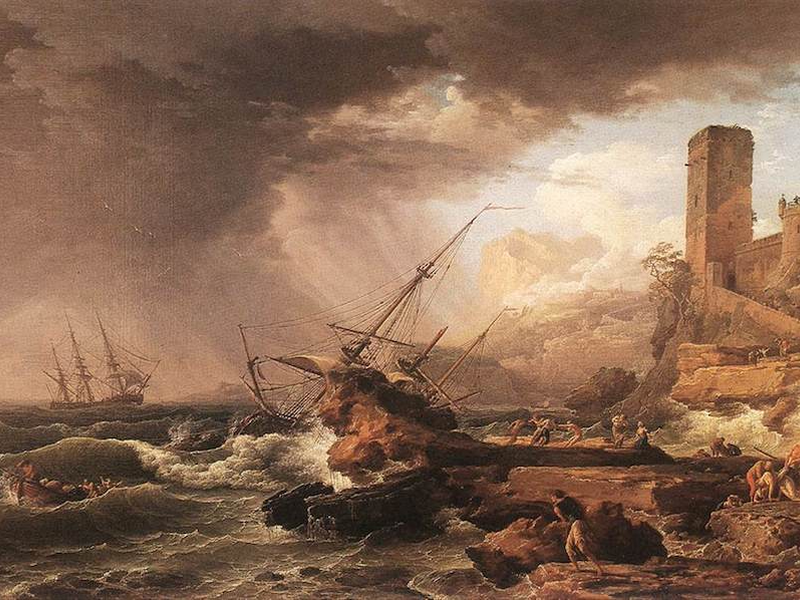
Separation and the Sea: All Is Lost and Cast Away

“13th of July, 4:50 pm. I'm sorry. I know that means little at this point, but I am. I tried, I think you would all agree that I tried. To be true, to be strong, to be kind, to love, to be right. But I wasn't. And I know you…

by Remy WilkinsSeptember 22, 2016
priscilla
Ecclesiology

Priestesses?

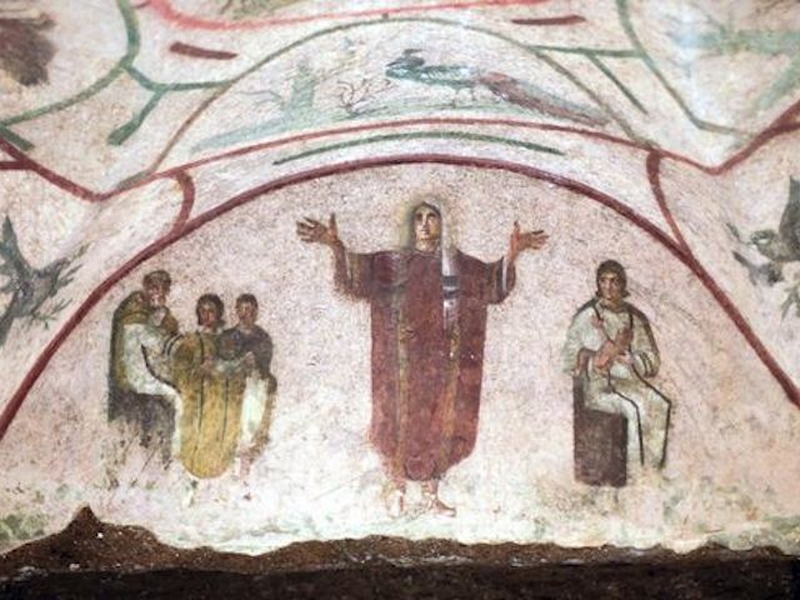
CS Lewis's 1948 essay on “Priestesses in the Church” strikes a reader today as simultaneously quaintly naive and trenchantly prescient. The naive part comes near the beginning, where Lewis describes the decision to take “a revolutionary step.” It would “cut ourselves off from the Christian past and to widen the…

by Peter LeithartSeptember 20, 2016
st-george-dragon
Literature

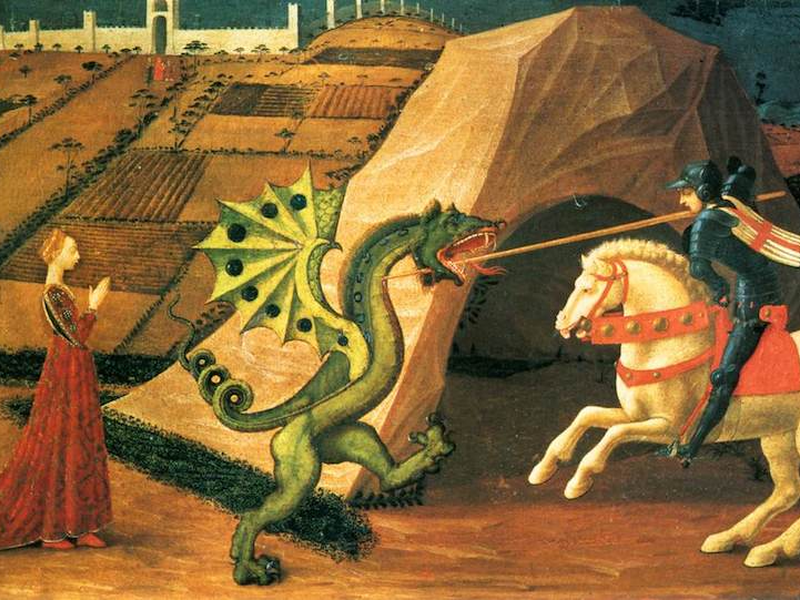
Serpents First

Imagine a version of the Lord of the Rings beginning with Sauron riding into the Shire and lopping off heads in a mad search for the ring, driving Frodo to flight from the beginning, helter-skelter and harried. While, no doubt, some Hollywood exec is at this moment scrambling to reboot…

by Remy WilkinsSeptember 15, 2016
stalin-propaganda-poster
Communism

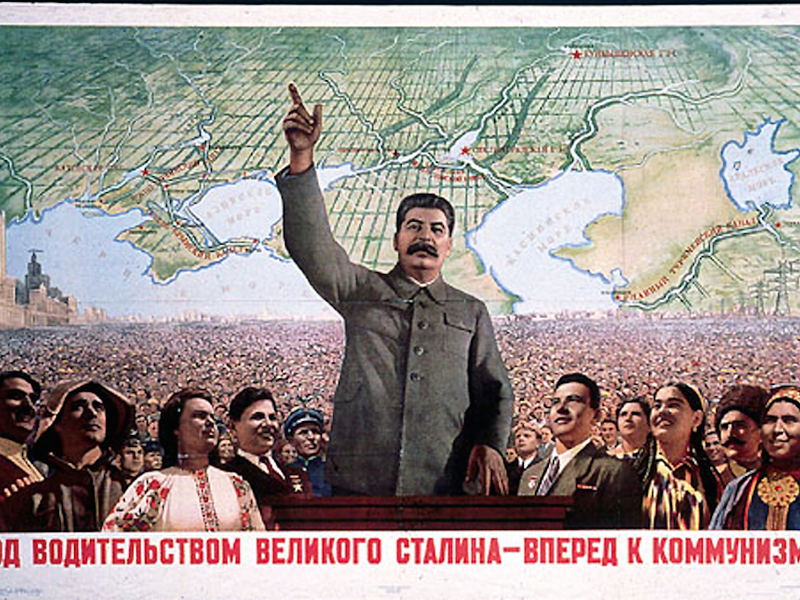
Socialism Without Society

A Communist Confession of Faith states that the aim of the Communists is “to organize society in such a way that every member of it can develop and use all his capabilities and powers in complete freedom and without thereby infringing the basic conditions of this society.” This aim can…

by Bogumil JarmulakSeptember 13, 2016
ind54453
Biblical Theology

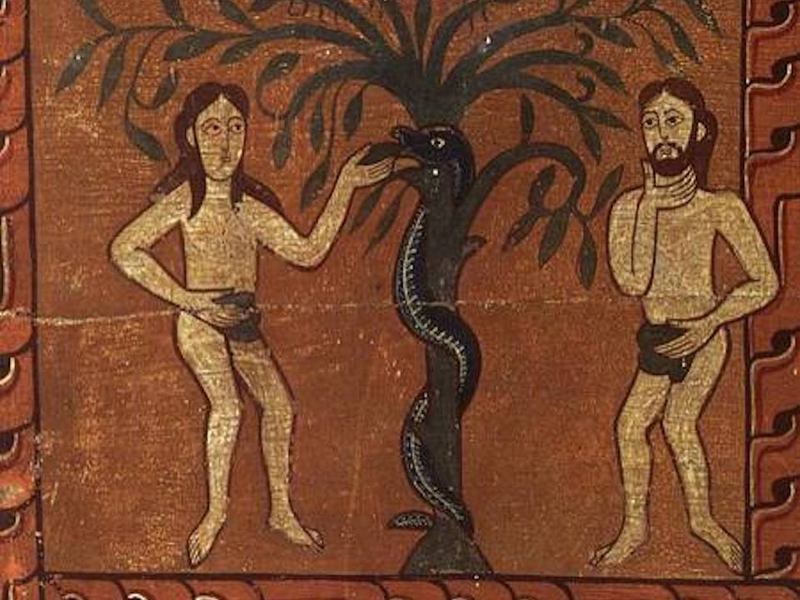
The Falls of Man

The story of the Fall enjoys a peculiar place in Christian thought. Together with the creation account in the two chapters that precede it, it is one of the few Old Testament narratives consistently to escape the relative neglect the Hebrew Scriptures often suffer. While the characters of Abraham, Moses,…

by Alastair RobertsSeptember 8, 2016
jesus-baptism
Baptism

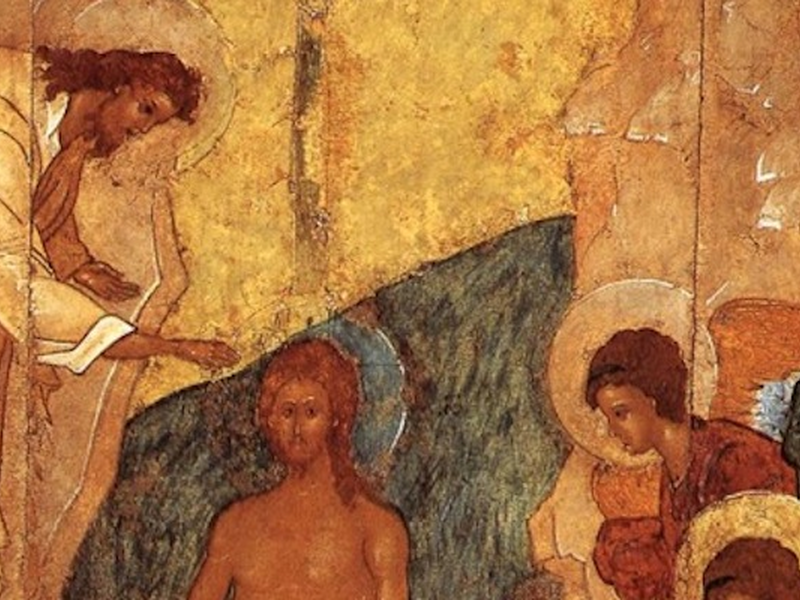
Water, Spirit, and Fire, (Part 3)

In the previous essay, we saw that fire is a work of the Holy Spirit. The two are related so closely that they cannot be separated. Now we turn our attention to the Spirit's relationship to water. Many have understood Spirit baptism to be a dry baptism, one that is…

by Adam McIntoshSeptember 6, 2016

Showing page 125 of 309

See all
See all

Biting again

Philip Esler draws on the anthropological work of Anthony Cohen to suggest that Paul’s reference to “biting” and “devouring” may describe the actual internal life of Paul’s churches: “Anthony Cohen’s argument about the persistence of liminality among persons once they have crossed a boundary to join a new group raises…

February 24, 2009

Biting

Paul contrasts fulfilling the law of loving neighbor with biting, devouring, and consuming. Love for neighbor is human behavior; anything else is feral. The verb “bite” ( dakno ) is used only in Galatians 5:15 in the NT, and only twice in the LXX (Genesis 49:17; Deuteronomy 8:15), both references…

February 24, 2009

Linguistic reversal

Galatians 5-6 turns a number of Pauline terms inside out. After spending most of the letter polemicizing against seeking justification form the “works of the law,” Paul rehabilitates both “work” (5:6) and “law” (5:14; 6:2). After announcing that in Christ we have been freed from the Egypt of Judaic managers…

February 24, 2009

Chiasm upon Chiasm in Galatians 5-6

Galatians 5-6 is organized as a chiasm, with the exhortation to bear one another’s burdens, and fulfill the law of Christ, at the center. The structure suggests that that the freedom that the Spirit grants is precisely freedom to bear the burdens of others as Christ as done for us.…

February 24, 2009
History

Neutral

Freeman again: He claims that Constantine employed the image of the sun, used in both Christianity and paganism, to maintain “his neutral position between opposing faiths.” In part, his interpretation is based on HA Drake. But the neutrality that Drake talks about is a neutrality in “public space” that enabled…

February 24, 2009
History

Not so shrewd

Freeman says that Constantine’s “conversion” was a shrewd political act, basing this conclusion, he claims, on “recent research.” (Burckhardt is recent??) One sign of his shrewdness was his ability to satisfy both Christian and pagan: “Some very careful political manoeuvring was necessary if Constantine was to avoid offending either Christian…

February 23, 2009

Showing page 1412 of 2212

Browse by Category

In Medias Res

Your weekly digest for all things Theopolis.

Donate

Theopolis is nearly 100% donor-supported. Consider joining us on our mission.