Theopolis Logo

Writing

Explore our collection of theological essays, biblical studies, and reflections on faith and culture.

See all
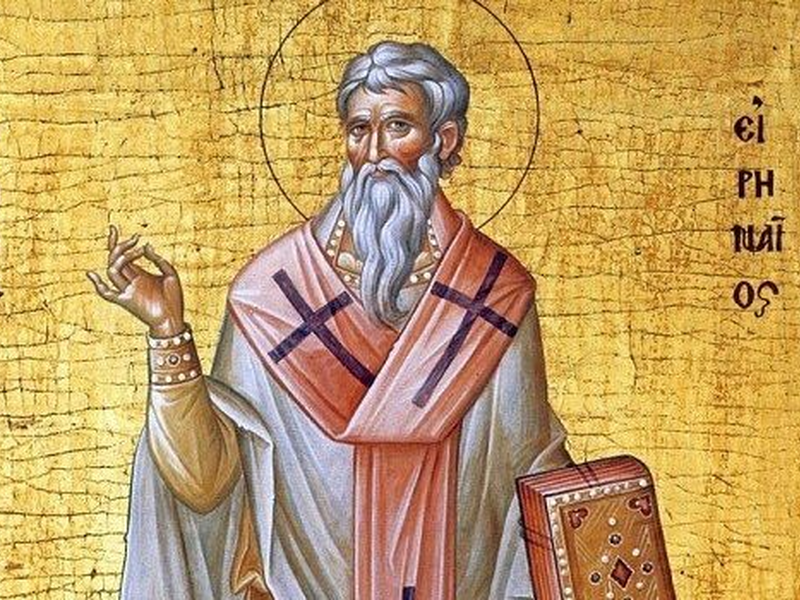
irenaeus-of-lyons-620x350
Anthropology

What Irenaeus’ Christology Teaches Us about the Goodness of our Bodies

The Christian tradition has always had an uneasy relationship with the materiality of creation. Dirt, liquid, sex, blood, and bodies—the world and the flesh stand in company with the Devil as two of the three great enemies of the saints. Mundus, caro, et diabolus , as the old Latin saying…

by Gerald HiestandSeptember 13, 2018
masada-aerial-crop
Biblical Studies

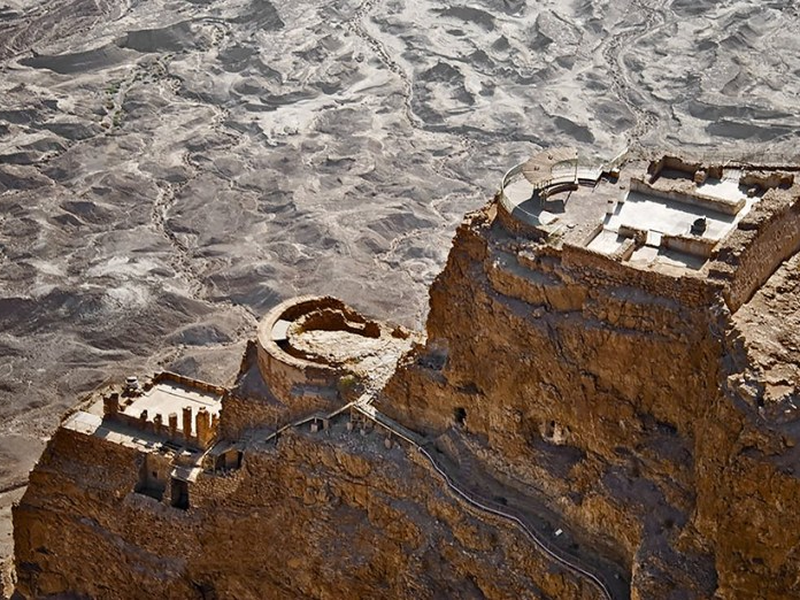
The Second Death in Liturgy and History

Since the destruction of Jerusalem was an event of earth-shattering covenantal significance, what might be the meaning of the subsequent tragic events at the desert fortress of Masada? In Hebrew, the name Masada means “strong foundation or support,” from a root meaning “to hunt, lie in wait for prey.” Located…

by Mike BullSeptember 11, 2018
pray-442560_1920
How to Worship

Cross My Heart

Take a long look at the photo above. To whom is this woman praying? It is hard to tell, isn’t it? Suppose we watch her for a while. We may see her bow low to the floor. Her lips may move, though perhaps it is too low for us to…

by Christopher KouSeptember 6, 2018
img_7664
Biblical Theology

The Problem of Psalm 137

Psalm 137 is widely regarded as one of the meanest of the imprecatory psalms. Certainly as we read it it is seems to be a song of pure vengeance. The exiles in Babylon, in grief over the judgment that Babylon has brought upon them, pray for the destruction of that…

by James B. JordanSeptember 4, 2018
covenant-epistemology
Course Recap

A Week with Esther Meek: Course Recap

Forty men and women came from all over the United States to attend the 2018 Trinity Term course at Theopolis. Pastors, students, teachers, an electrician, a city planner, and others from a variety of denominations spent five days at Beeson Divinity School studying covenant epistemology under the tutelage of philosopher…

by TheopolisAugust 31, 2018
last-supper
Matthew

Galilee of the Gentiles

Matthew records that Jesus "withdrew" to Galilee to begin His public ministry there after He "heard that John had been delivered up" (Mt. 4:12). Matthew’s typically matter-of-fact style veils the truly remarkable character of Jesus’ withdrawal. Matthew has been presenting Jesus as the Messiah, the Seed of Abraham and Son…

by Peter LeithartAugust 31, 2018

Showing page 88 of 309

See all
See all
History

Infallible Constantine?

The epigram to chapter 11 of Charles Freeman’s Closing of the Western Mind is from a letter of Constantine to the churches in Alexandria: “We have received from Divine Providence the supreme favor of being relieved of all error.” The footnote leads to Ramsay Macmullen’s Christianity and Paganism in the…

February 23, 2009

China

Yesterday, Hillary Clinton disappointed human rights activists by degrading the role of human rights issues in her discussions with Chinese. Differences on human rights will not, she said, interfere with the common interests of the US and China. Today, she commends the Chinese for bailing out the US by continuing…

February 22, 2009
History

Barbarians

Momigliano again, pointing out that the church had ways of dealing with the barbarian threat that were not available to pagans: “The educated pagan was by definition afraid of barbarians. There was no bridge between the aristocratic ideals of a pagan and the primitive violence of the German invader.” At…

February 21, 2009
History

Follow the money

Not not did the church draw the best men, men who otherwise would have been, Momigliano says, “generals, governors or provinces, advisers to the emperors,” but it drew popular enthusiasm and loyalty, and money: “Money which would have gone to the building of a theatre or of an aqueduct now…

February 21, 2009
History

Ecclesial aristocracy

Arnaldo Momigliano suggests that one of the key ways that Christianity contributed to the decline of Rome was by siphoning off the best and brightest to the church. The “central feature of the fourth century” was “the emergence of the Church as an organization competing with the State itself and…

February 21, 2009
History

Idolatry in the light

Constantine’s legislation in the Theodosian Code includes several odd decrees that prohibit soothsayers and other magicians from “crossing the threshold” of a house under the pretext of friendship. Private soothsaying is prohibited. At the same time, Constantine says that soothsayers will be consulted if lightning strikes the palace, and also…

February 21, 2009

Showing page 1413 of 2212

Browse by Category

In Medias Res

Your weekly digest for all things Theopolis.

Donate

Theopolis is nearly 100% donor-supported. Consider joining us on our mission.