Theopolis Logo

Writing

Explore our collection of theological essays, biblical studies, and reflections on faith and culture.

See all
evangelists
Matthew

Dating Matthew, (Part 1)

When might the Gospel according to Matthew have been written? Of course, any answer can only be speculation, but that does not mean we are reduced to groundless opinion. In this series of articles I point the way to an approach different from the general consensus among scholars today which…

by Ralph Allan SmithNovember 22, 2016

hebrew-manuscript-3
Hermeneutics

Synopticity, (Part 2)

In my first essay on “synopticity” I offered a rather rough definition of the phenomenon and important, though not exhaustive examples. In this essay, I want to introduce broader aspects of the phenomenon of “synopticity.” The first example that I have in mind is conventional stories, stories of different historical…

by Ralph Allan SmithNovember 17, 2016
screen-shot-2016-03-31-at-9-32-11-am
Ascension

Brexit and the Binding of Satan, Part 4

Since the judgment of Babel was followed by the initiation of the circumcision, the impending end of the circumcision in AD70 explains the significance of the first century miracle of foreign tongues. Except for a few Aramaic “teasers” in the book of Daniel, the Word of God was monolingual and…

by Mike BullNovember 15, 2016
four-evangelists
Hermeneutics

Synopticity, (Part 1)

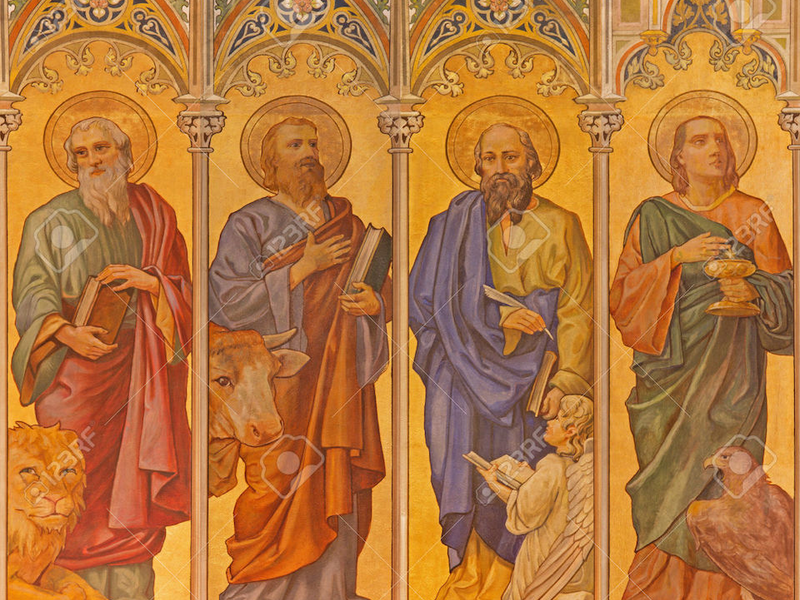
To the best of my knowledge “synopticity” is not a word used in theology or Biblical studies, but it seems an appropriate word to describe the kind of phenomena associated with the Synoptic Gospels, Matthew, Mark, and Luke. These three Gospels tell essentially the same story with significant — sometimes…

by Ralph Allan SmithNovember 10, 2016
laughing_statue_by_xxbobbiie-d5f0meh-2
Humor

Learning to Laugh

Humor is a funny thing. It is altogether familiar yet also mysterious. What makes us laugh? Why do we find things funny? There are academic fields of study dedicated to discovering what makes things humorous. These academicians even have a journal entitled International Journal of Humor Research . No joke.…

by Bill SmithNovember 8, 2016
chaucer
Literature

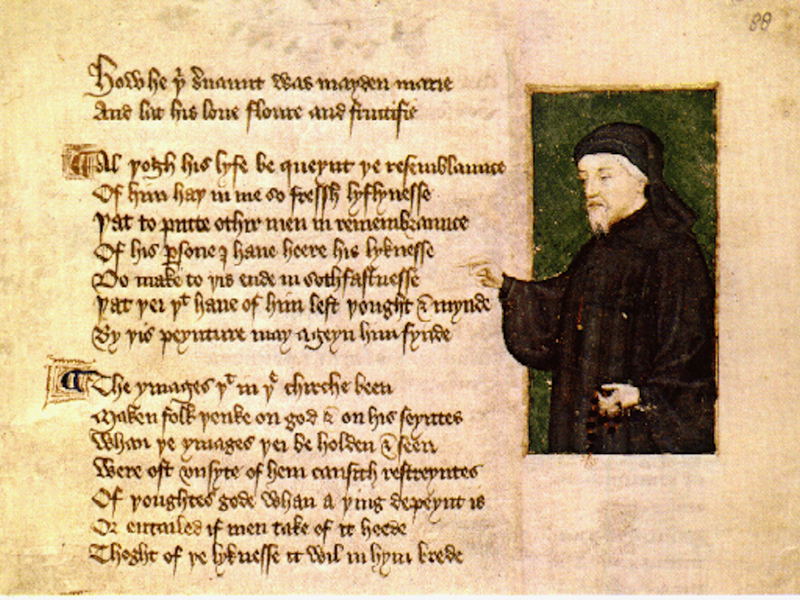
Flawed Means of Grace: Liturgy in The Pardoner's Tale

Out of all the characters in Geoffrey Chaucer’s The Canterbury Tales , the Pardoner has been called the “one lost soul.” The pious Parson, who closes out the collection of tales with a sermon on the seven deadly sins and how a sinner can absolve himself of them, connects the…

by Christian LeithartNovember 3, 2016

Showing page 122 of 309

See all
See all
Media

Distracted

Maggie Jackson ( Distracted ) writes, “One yearlong study found that workers not only switch tasks every three minutes during their workday but that nearly half the time they interrupt themselves.” And this: “Nearly a third of fourteen- to twenty-one-year olds juggle five to eight media while doing homework.” I…

February 9, 2009

Sermon notes

INTRODUCTION The Jewish leaders rejected John and Jesus, but this is nothing new. Jesus reminds them in parables that they have spent their entire history rejecting Yahweh’s servants and servants. THE TEXT “Hear another parable: There was a certain landowner who planted a vineyard and set a hedge around it,…

February 9, 2009

Two brothers

Jesus’ parable of two brothers (Matthew 21:28-29) is puzzling on several levels. There is a major textual variant; the NKJV, following one tradition, puts the defiant-but-remorseful brother first and the NASB puts the compliant-but-disobedient brother first. We can address the textual question, I think, when we have figured out the…

February 8, 2009
Art

Glorified utility

Gothic architecture, Augustus Pugin argued, operated on the principles that “there should be no features about a building which are not necessary for convenience, construction, or propriety” and that “all ornament should consist of enrichment of the essential construction of the building.” Classical architecture, he thought, failed to achieve this,…

February 7, 2009
History

Sacrifice for the Emperor

Christians, Tertullian argued, were perfectly willing to offer sacrifice on behalf of the emperor, but it had to be a specifically Christian sacrifice ( Ad Scapulam , ch 2): “A Christian is enemy to none, least of all to the Emperor of Rome, whom he knows to be appointed by…

February 7, 2009

Echoes

Revelation 7 describes the sealing of the 144,000, and this number is broken up into 12,000 among 12 tribes. It is a repetitive passage, and the rhythm of tribes and numbers is reminiscent of the description of the offerings presented to the tabernacle by each tribe in Numbers 7. Both…

February 7, 2009

Showing page 1419 of 2212

Browse by Category

In Medias Res

Your weekly digest for all things Theopolis.

Donate

Theopolis is nearly 100% donor-supported. Consider joining us on our mission.