Theopolis Logo

Writing

Explore our collection of theological essays, biblical studies, and reflections on faith and culture.

See all
timothy-eberly-djj49s6ud2o-unsplash
Biblical Studies

Whom Shall We Believe? Evangelicals and Scholarship

As we move into the Persian period of ancient history, and try to reconcile it with Daniel’s prophecies, we need to ask some hard questions about the interpretation of the data before us. One question concerns the reliability of the Biblical witness, and beyond that a second question concerns the…

by James B. JordanJanuary 30, 1991
a2-118606403-jpg
Biblical Horizons

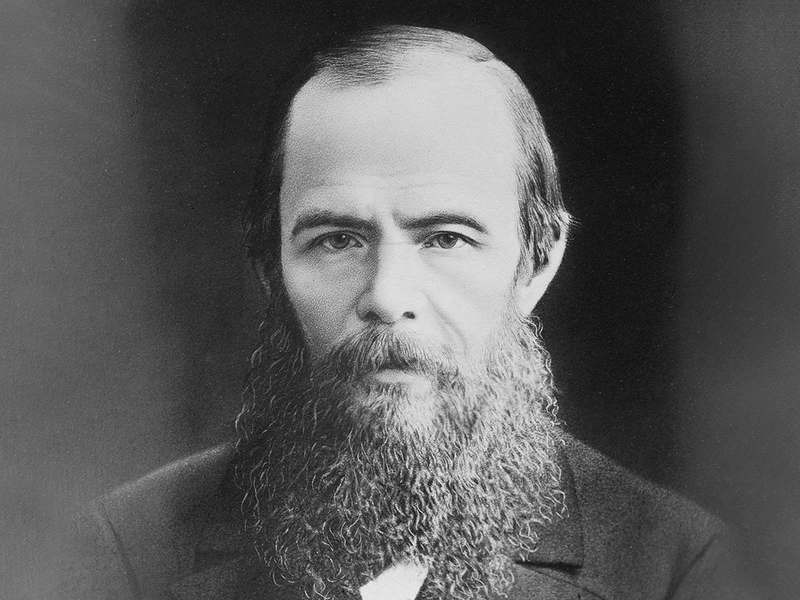
Understanding Russia

Ewa Majewska Thompson: Understanding Russia: The Holy Fool in Russian Culture Ewa M. Thompson is Professor and Chairman of the Department of German and Slavic Studies at Rice University. In this seminal study, she investigates the concept of the "holy fool" as it exists in Russian culture and civilization. While…

by James B. JordanJanuary 30, 1991
alfons-morales-ylswjsy7stw-unsplash-1
Biblical Studies

The Bible and Western Literature

The most cursory glance at the history of Western literature reveals that it has been deeply influenced by the Bible. Some of the greatest classics of Western literature draw their plots, characters, and ideas largely from Scripture; Dante’s Divine Comedy and Milton’s Paradise Lost are two of the most notable…

by Peter LeithartJanuary 23, 1991
screen-shot-2022-04-28-at-4-57-36-pm
Exodus

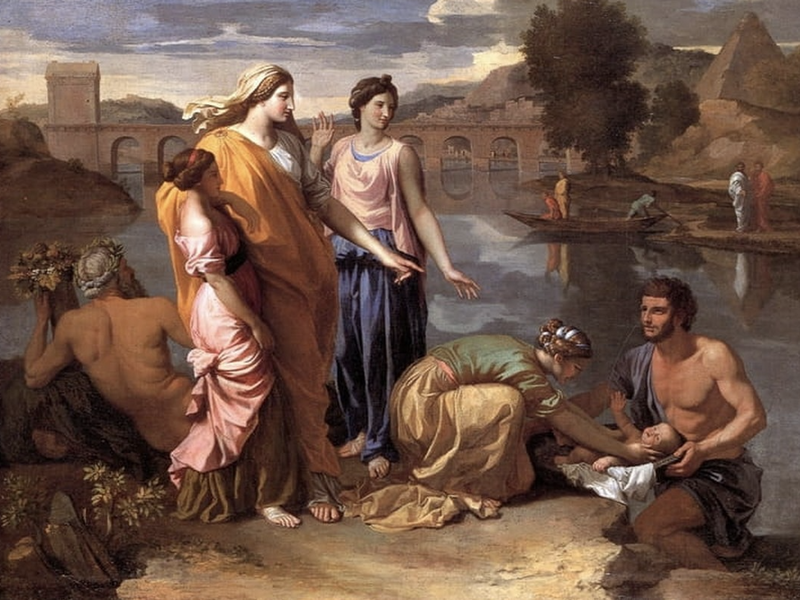
The Beautiful Child

Each time the Scriptures recount the story of Moses’ birth and deliverance from Pharaoh, reference is made to two facts about that event. First, each text points out that Moses was "beautiful." Second, each text points out that Amram and Jochebed, his parents, hid him for three months (cf. Ex.…

by Peter LeithartJanuary 23, 1991
501819ld-2
Romans

Who Rules the Land? The Meaning of the Noahic Covenant, Part 2

Click HERE for Part 1. The Message of the Covenant Can we really say that the saints presently rule the world, and always have since Noah? Look around and you can see that the wicked rule in virtually every country on earth. There are wicked civilizations that rise Babelically age…

by James B. JordanDecember 30, 1990
hebrew-manuscript-6
Hermeneutics

Daniel’s 70 Weeks

As we saw last time , we have come to the place in the study of Biblical chronology where it seems that we are forced to abandon the Bible itself as our primary source of information. If we assume that the seventy sevens of Daniel 9:24-27 are in fact weeks…

by James B. JordanDecember 23, 1990

Showing page 300 of 309

See all
See all

Proverbs 25:27-28

PROVERBS 25:27 Like Genesis 1-2, this section of Proverbs 25 establishes a rhythm of “good” and then declares something “not good.” “Good” it is to live in the corner of the roof, and “good” news refreshes the soul; but it is “not good” to eat too much honey. Chapters 24-25…

February 7, 2009
History

Christianity and Fall of Rome

Geza Alfoldy concludes his Social History of Rome with suggestive comments about the relation of Christianity and the fall of the empire. The problem was not that Christianity undermined patriotism; it didn’t. Rather, “The role of Christianity in the collapse of the Roman system of power resulted from the fact…

February 7, 2009

Woe to the vineyard

Isaiah tells a tale of a vineyard (5:1-7), and then issues a series of woes (5:8-23) that culminates in a warning that a nation is going to be summoned to Judah (5:24-30). Jesus follows the same sequence: Parables of the vineyard in chapters 20-21 are followed by woes (ch. 23)…

February 6, 2009

Proverbs 25:23-26

PROVERBS 25:23 This verse gives us a translation issue in the first line. The NASB translates the line “The north wind brings forth rain,” but the KJV says that the north wind “drives away rain.” The verb in question has a range of applications and uses, but the basic idea…

February 6, 2009
Uncategorized

Gladiatorial sacrifice

Barton again: “The Romans’ expectations of the brave gladiator were identical to their expections of the sacrificial victim: the victim in a Roman sacrifice was led to the altar by a slack rope, in order that it might not seem to be dragged by force. Any show of resistance on…

February 5, 2009

Sacramentum

From a 1989 article by CA Barton on gladiatorial games in Rome: When a gladiator entered the arena, “he took a frightful oath, the sacramentum gladiatorim ; he swore to endure being burned, bound, beaten, and slain by the sword . . . . He foreswore all that might ameliorate…

February 5, 2009

Showing page 1420 of 2212

Browse by Category

In Medias Res

Your weekly digest for all things Theopolis.

Donate

Theopolis is nearly 100% donor-supported. Consider joining us on our mission.