Theopolis Logo

Writing

Explore our collection of theological essays, biblical studies, and reflections on faith and culture.

See all
dan-meyers-0agtpoaarte-unsplash
Matthew

Fertile Toledots

The Book of Genesis contains eleven distinct markers readily acknowledged as the toledot formula. 1 Commentator Nahum Sarna counts the ’elleh toledot to be “…one of the distinguishing characteristics of the Book of Genesis”. 2 Among translations, the noun is variously translated as “generations” (ESV, KJV), “records of the generations”…

by Ben LoveladyDecember 20, 2022

49980-nicolas_poussin_-_the_judgment_of_solomon_-_wga18330-800w-tn
Romans

Who was Judah's Wickedest King? (Kings & Romans 1:18ff)

The answer that immediately comes to mind to the question in the title is Manasseh, the son of Hezekiah. He was conceived during the extension of life that God granted Hezekiah in response to his ardent prayer on his sick bed (2 Kings 20:1-11, 21:1). His reign is summarized in…

by Mark HorneDecember 13, 2022
carlos-macias-pu0rodvqjl4-unsplash
Ecclesiology

The End of Premium Mediocre Church

Back in 2019, on a whim, I sketched out a setting for a modern fantasy story: a single coffee shop that is simultaneously present in multiple cities throughout the world: “...you know the one. Books by local authors, brochures for a walking tour of the city’s outdoor sculpture, a poetry…

by Tim NicholsDecember 6, 2022
screen-shot-2022-11-29-at-2-01-18-pm
Colossians

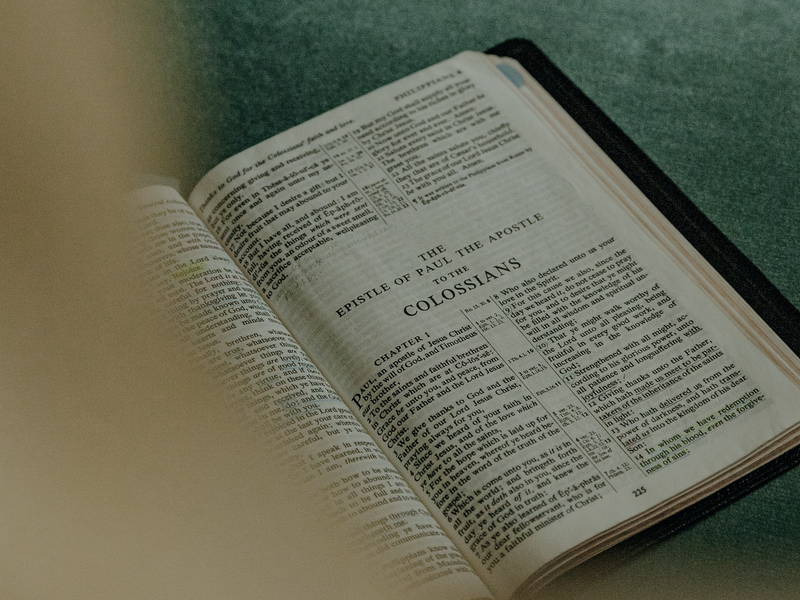
Colossians 4:2, “Watch"

Peter O’Brien’s translation of Colossians 4:2 surprised me: “Persevere in prayer as you watch for the Lord’s return, and be thankful.” 1 What is surprising about that? Well, none of my English translations mentioned “the Lord’s return” — nor does the Greek text! Translated literally, the verse just says: “In…

by Ralph Allan SmithNovember 29, 2022
cicero-denounces-catiline-painting-roman-cesare-maccari-1888
Books

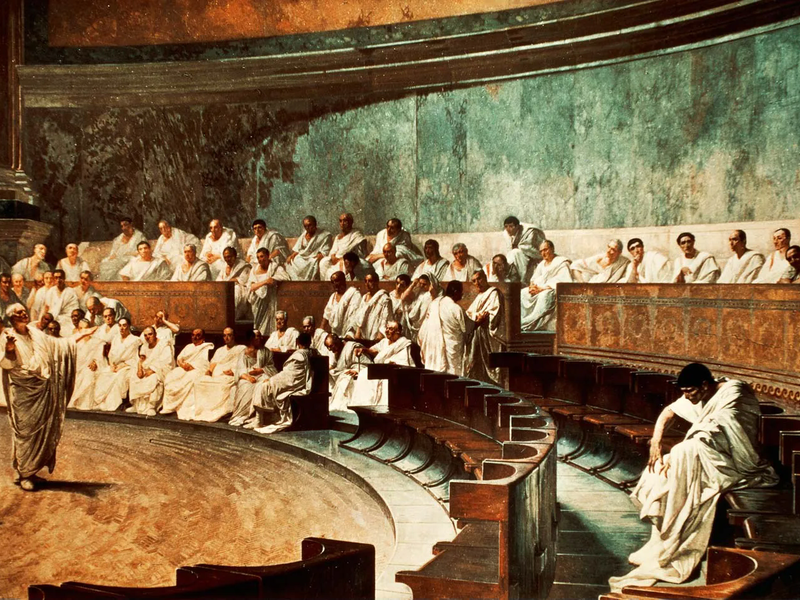
The Laws and the Cosmos: A Brief Response to Stephen Wolfe on Cicero

I Natural Law This is a brief (well, briefer than it could be) first attempt at responding to a very small section of Stephen Wolfe’s recent book The Case for Christian Nationalism . It’s partial, deeply incomplete, and does not at all address the book as a whole; it is…

by Susannah Black RobertsNovember 24, 2022
giammarco-zeh-ljawhtg-unsplash
Formation

A Bad Man Speaking Well

The scuttlebutt of the last hundred years would tell us that Albert Einstein was a horrible husband, Winston Churchill was a racist, Mother Theresa was a hypocrite, and Caravaggio a murderer. From Benjamin Britten’s boys to Gandhi’s girls, it can be depressing and confusing to hear about people of great…

by Garrett SoucyNovember 22, 2022

Showing page 37 of 309

See all
See all

Proverbs 25:27-28

PROVERBS 25:27 Like Genesis 1-2, this section of Proverbs 25 establishes a rhythm of “good” and then declares something “not good.” “Good” it is to live in the corner of the roof, and “good” news refreshes the soul; but it is “not good” to eat too much honey. Chapters 24-25…

February 7, 2009
History

Christianity and Fall of Rome

Geza Alfoldy concludes his Social History of Rome with suggestive comments about the relation of Christianity and the fall of the empire. The problem was not that Christianity undermined patriotism; it didn’t. Rather, “The role of Christianity in the collapse of the Roman system of power resulted from the fact…

February 7, 2009

Woe to the vineyard

Isaiah tells a tale of a vineyard (5:1-7), and then issues a series of woes (5:8-23) that culminates in a warning that a nation is going to be summoned to Judah (5:24-30). Jesus follows the same sequence: Parables of the vineyard in chapters 20-21 are followed by woes (ch. 23)…

February 6, 2009

Proverbs 25:23-26

PROVERBS 25:23 This verse gives us a translation issue in the first line. The NASB translates the line “The north wind brings forth rain,” but the KJV says that the north wind “drives away rain.” The verb in question has a range of applications and uses, but the basic idea…

February 6, 2009
Uncategorized

Gladiatorial sacrifice

Barton again: “The Romans’ expectations of the brave gladiator were identical to their expections of the sacrificial victim: the victim in a Roman sacrifice was led to the altar by a slack rope, in order that it might not seem to be dragged by force. Any show of resistance on…

February 5, 2009

Sacramentum

From a 1989 article by CA Barton on gladiatorial games in Rome: When a gladiator entered the arena, “he took a frightful oath, the sacramentum gladiatorim ; he swore to endure being burned, bound, beaten, and slain by the sword . . . . He foreswore all that might ameliorate…

February 5, 2009

Showing page 1420 of 2212

Browse by Category

In Medias Res

Your weekly digest for all things Theopolis.

Donate

Theopolis is nearly 100% donor-supported. Consider joining us on our mission.