Theopolis Logo

Writing

Explore our collection of theological essays, biblical studies, and reflections on faith and culture.

See all
evangelists
Matthew

Dating Matthew, (Part 1)

When might the Gospel according to Matthew have been written? Of course, any answer can only be speculation, but that does not mean we are reduced to groundless opinion. In this series of articles I point the way to an approach different from the general consensus among scholars today which…

by Ralph Allan SmithNovember 22, 2016

hebrew-manuscript-3
Hermeneutics

Synopticity, (Part 2)

In my first essay on “synopticity” I offered a rather rough definition of the phenomenon and important, though not exhaustive examples. In this essay, I want to introduce broader aspects of the phenomenon of “synopticity.” The first example that I have in mind is conventional stories, stories of different historical…

by Ralph Allan SmithNovember 17, 2016
screen-shot-2016-03-31-at-9-32-11-am
Ascension

Brexit and the Binding of Satan, Part 4

Since the judgment of Babel was followed by the initiation of the circumcision, the impending end of the circumcision in AD70 explains the significance of the first century miracle of foreign tongues. Except for a few Aramaic “teasers” in the book of Daniel, the Word of God was monolingual and…

by Mike BullNovember 15, 2016
four-evangelists
Hermeneutics

Synopticity, (Part 1)

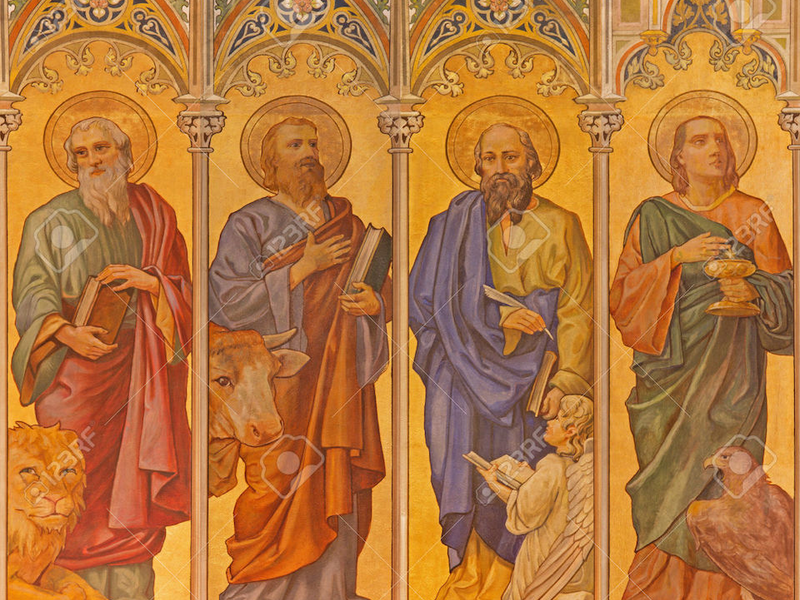
To the best of my knowledge “synopticity” is not a word used in theology or Biblical studies, but it seems an appropriate word to describe the kind of phenomena associated with the Synoptic Gospels, Matthew, Mark, and Luke. These three Gospels tell essentially the same story with significant — sometimes…

by Ralph Allan SmithNovember 10, 2016
laughing_statue_by_xxbobbiie-d5f0meh-2
Humor

Learning to Laugh

Humor is a funny thing. It is altogether familiar yet also mysterious. What makes us laugh? Why do we find things funny? There are academic fields of study dedicated to discovering what makes things humorous. These academicians even have a journal entitled International Journal of Humor Research . No joke.…

by Bill SmithNovember 8, 2016
chaucer
Literature

Flawed Means of Grace: Liturgy in The Pardoner's Tale

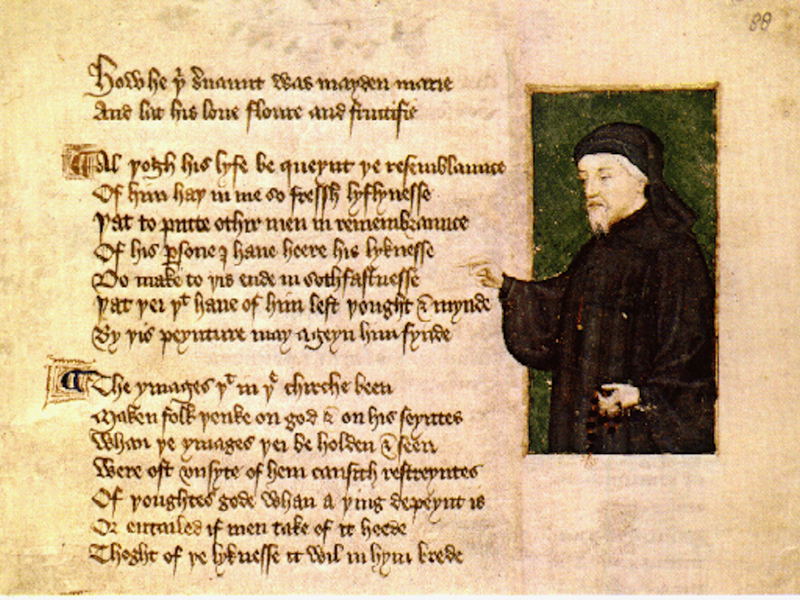
Out of all the characters in Geoffrey Chaucer’s The Canterbury Tales , the Pardoner has been called the “one lost soul.” The pious Parson, who closes out the collection of tales with a sermon on the seven deadly sins and how a sinner can absolve himself of them, connects the…

by Christian LeithartNovember 3, 2016

Showing page 122 of 309

See all
See all

Law and Mirrors

James says that the law is a mirror. We think he means that we read the law, it shows us flaws and blemishes, and we are convicted of sin. That’s not the way the image works in James. The man who looks in a mirror and turns away is not…

January 30, 2009
History

Julian the Christian

Julian “the Apostate” saw how the Christian church grew “due to philanthropy to strangers, burial of the dead and seeming purity of life.” Pagans needed to catch up, and this meant charity: “In every city,” he ordered, “numerous hostels should be established that strangers, whether or not of our faith,…

January 29, 2009
Literature

Updike

No American writer of the last fifty years even approximated the luxuriance of John Updike. In its lengthy obit, the NYT cites this from an early short story: “Snow fell against the high school all day, wet big-flake snow that did not accumulate well. Sharpening two pencils, William looked down…

January 29, 2009
History

Christians and empire

“One cannot serve God and the Emperor,” Tertullian wrote. Early Christians were anti-imperial then? Not necessarily. When Celsus charged that Christians would leave the Emperor alone against the barbarians, Origen protested: “We help the emperor in his extremities by our prayers and intercessions more effectively than do the soldiers. Just…

January 29, 2009
History

Christians and slavery

Early Christians did not call for abolition, and even after the empire became Christian much of the traditional Roman social structure remained in place. Yet, Hermann Dorries writest that Christianity provided Constantine and the Christian emperors who followed with “the possibility of gradual amelioration.” Considering the central economic importance of…

January 29, 2009
Politics

Endless campaign

In his first interview as President, Obama told Al-Arabiya that America needs to learn to listen because “all too often the United States starts by dictating.” Does anyone honestly believe that American diplomats go into the Middle East and starts by ordering everybody around? Of course, US diplomats have a…

January 27, 2009

Showing page 1423 of 2212

Browse by Category

In Medias Res

Your weekly digest for all things Theopolis.

Donate

Theopolis is nearly 100% donor-supported. Consider joining us on our mission.