Theopolis Logo

Writing

Explore our collection of theological essays, biblical studies, and reflections on faith and culture.

See all
paul-2
Romans

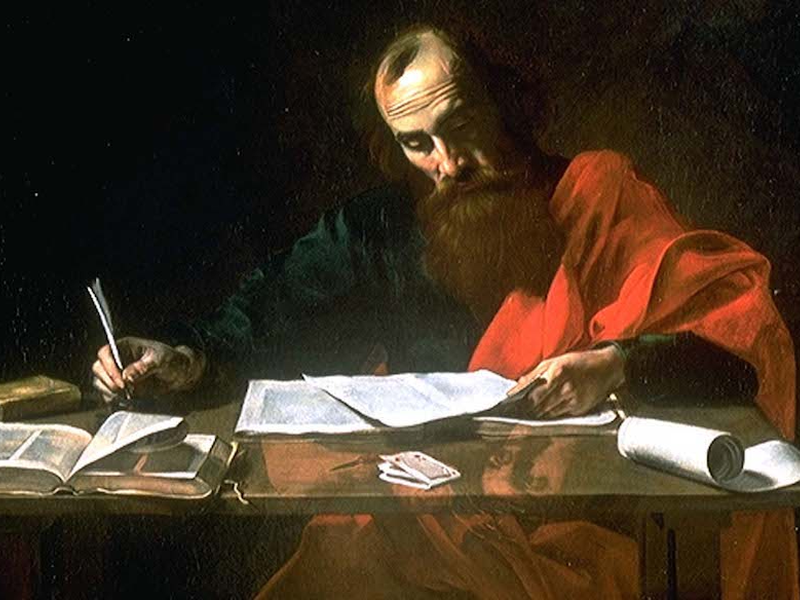
Notes on Scary Stuff in Romans 9

What shall we say then? Is there injustice on God’s part? By no means! For he says to Moses, “I will have mercy on whom I have mercy, and I will have compassion on whom I have compassion.” So then it depends not on human will or exertion, but on…

by Mark HorneFebruary 5, 2015
lunch-counter
American Politics

Covenants of Exclusion

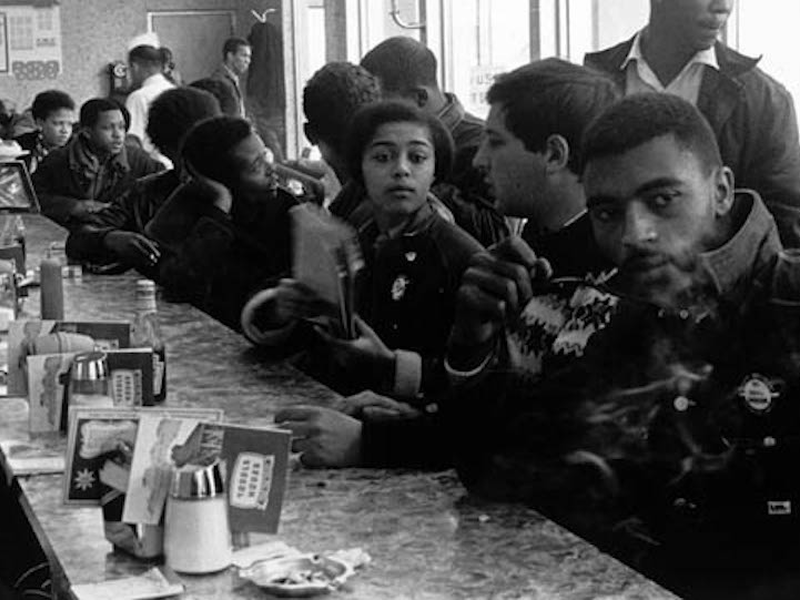
A hundred years ago, William Warley signed a contract to buy a house in Louisville, Kentucky from Charles Buchanan, a white man. Before closing the sale, Warley, who was black, learned that the lot was subject to a city ordinance barring blacks from occupying the premises if most of the…

by Brendan O'DonnellFebruary 3, 2015
shakespeare-2
Literature

The Bard and the Book

I concluded the first essay on this topic by saying that I would introduce three books about Shakespeare and the Bible, but I decided to introduce four instead. The three books become four are: Naseeb Shaheen, Biblical References in Shakespeare’s Plays (London: Associated University Presses, 1999) ; Hannibal Hamlin, The…

by Ralph Allan SmithJanuary 29, 2015
augustine-2
Augustine

Augustine on Pagan Virtue

My children attend a classical Christian school, situated in the independent “free church” evangelical tradition. Over the past few years they have been growing in their acquaintance with the world of Homer, Plato, Virgil, and Livy. They enjoy it, and I envy it. The school is a great school. My…

by Gerald HiestandJanuary 27, 2015
prodigal-son
Atonement

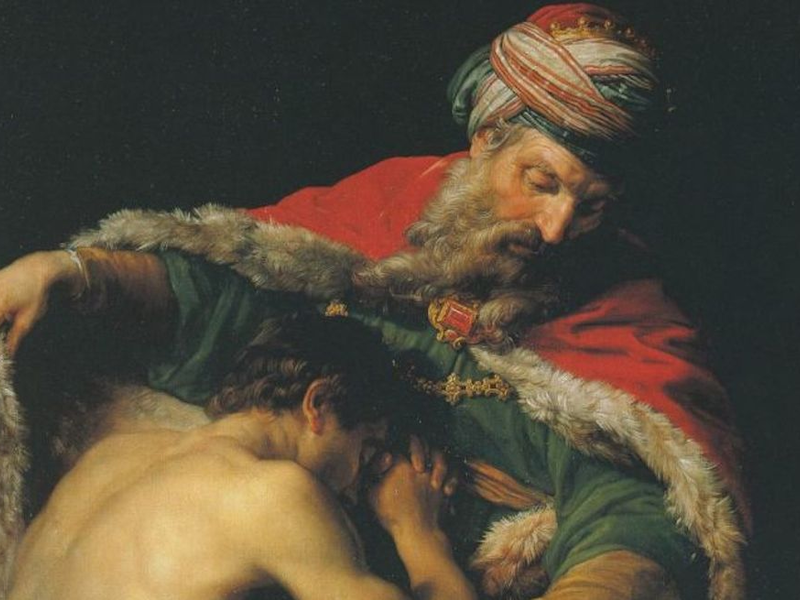
The Prodigal and the Cross

The Prodigal Son parable (Luke 15) has been a favorite of liberal theologians for a couple of centuries. It seems to be a parable designed for liberal sensibilities: An indulgent, accepting Father; forgiveness extended without a cross; a surly older brother who might represent the "conservative" face of religion who…

by Peter LeithartJanuary 22, 2015
sky-from-bridge
Ascension

Underground Man, Ascended Man

“I want now to tell you, gentlemen, whether you care to hear it or not, why I could not even become an insect. I tell you solemnly, that I have many times tried to become an insect. But I was not equal even to that. I swear, gentlemen, that to…

by Richard BledsoeJanuary 20, 2015

Showing page 161 of 309

See all
See all
History

German Modernity

In the course of a review of Timothy Ryback’s recent book on Hitler’s library, Anthony Grafton comments on the connection between critique and occultism in early twentieth-century thought: “it is wrong to dismissed the esoteric strains in German thought in the early decades of the twentieth century simply because they…

December 20, 2008
Economics

Economies, Advanced and Primitive

Christopher Caldwell ends an intriguing article on William Bagehot ( Weekly Standard , 12/22) with this: “To be blunt, credit is successfully reestablished when financial elites say, ‘When.’ Credit is close to a synonym for the mood of the ruling class. To say an economy is based on credit is…

December 20, 2008

Wise Men

Mike Bull from Australia sent the following, which I reproduce with his permission: “We don’t know how many wise men travelled from the east, but perhaps we can make a guess via God’s deliberate typology. “We do know there were three gifts. With Christ as the human Ark of the…

December 18, 2008

India Islamicism

Philip Jenkins has an excellent brief introduction to the thought of the Indian Muslim thinker, Syed Abul Ala Mawdudi, in the December 24 issue of TNR . He writes: “His guiding assumption was a totalistic view of Islam: Everything in the universe was God’s creation, so Muslims could freely use…

December 17, 2008
Biblical Studies

Scapegoat

Priests used lots to select a scapegoat on the day of atonement (Leviticus 16:8-10). Joshua used lots to locate Achan the troubler of Israel; Achan was a scapegoat, whose death cleansed the people so they could defeat Ai. Haman threw lots, trying to pinpoint the time for offering the scapegoat…

December 17, 2008

Judaizing and the church calendar

Some Reformed charge that celebration of the seasons of the church calendar is Judaizing, a reversion to the slavery of the Old Covenant. More the opposite: The Reformed anti-calendar view says that we keep appointments with God only when He strictly and explicitly commands it. They do not think human…

December 14, 2008

Showing page 1435 of 2212

Browse by Category

In Medias Res

Your weekly digest for all things Theopolis.

Donate

Theopolis is nearly 100% donor-supported. Consider joining us on our mission.