Theopolis Logo

Writing

Explore our collection of theological essays, biblical studies, and reflections on faith and culture.

See all
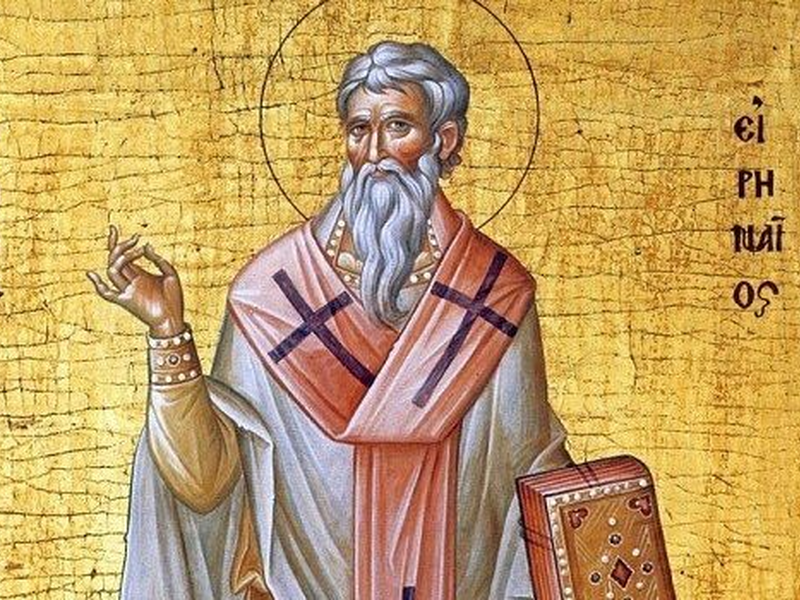
irenaeus-of-lyons-620x350
Anthropology

What Irenaeus’ Christology Teaches Us about the Goodness of our Bodies

The Christian tradition has always had an uneasy relationship with the materiality of creation. Dirt, liquid, sex, blood, and bodies—the world and the flesh stand in company with the Devil as two of the three great enemies of the saints. Mundus, caro, et diabolus , as the old Latin saying…

by Gerald HiestandSeptember 13, 2018

masada-aerial-crop
Biblical Studies

The Second Death in Liturgy and History

Since the destruction of Jerusalem was an event of earth-shattering covenantal significance, what might be the meaning of the subsequent tragic events at the desert fortress of Masada? In Hebrew, the name Masada means “strong foundation or support,” from a root meaning “to hunt, lie in wait for prey.” Located…

by Mike BullSeptember 11, 2018
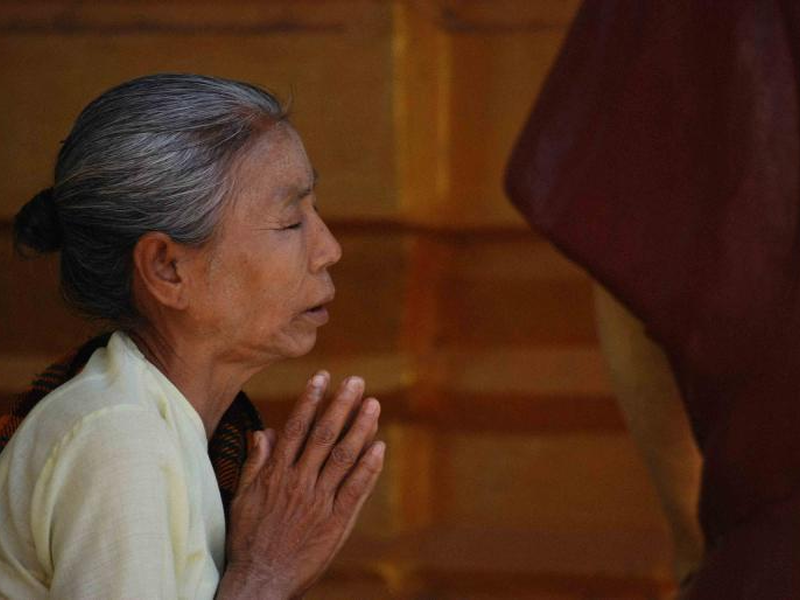
pray-442560_1920
How to Worship

Cross My Heart

Take a long look at the photo above. To whom is this woman praying? It is hard to tell, isn’t it? Suppose we watch her for a while. We may see her bow low to the floor. Her lips may move, though perhaps it is too low for us to…

by Christopher KouSeptember 6, 2018
img_7664
Biblical Theology

The Problem of Psalm 137

Psalm 137 is widely regarded as one of the meanest of the imprecatory psalms. Certainly as we read it it is seems to be a song of pure vengeance. The exiles in Babylon, in grief over the judgment that Babylon has brought upon them, pray for the destruction of that…

by James B. JordanSeptember 4, 2018
covenant-epistemology
Course Recap

A Week with Esther Meek: Course Recap

Forty men and women came from all over the United States to attend the 2018 Trinity Term course at Theopolis. Pastors, students, teachers, an electrician, a city planner, and others from a variety of denominations spent five days at Beeson Divinity School studying covenant epistemology under the tutelage of philosopher…

by TheopolisAugust 31, 2018
last-supper
Matthew

Galilee of the Gentiles

Matthew records that Jesus "withdrew" to Galilee to begin His public ministry there after He "heard that John had been delivered up" (Mt. 4:12). Matthew’s typically matter-of-fact style veils the truly remarkable character of Jesus’ withdrawal. Matthew has been presenting Jesus as the Messiah, the Seed of Abraham and Son…

by Peter LeithartAugust 31, 2018

Showing page 88 of 309

See all
See all
History

Constantine, ecumenist

In 325, Constantine wrote a letter announcing the deposition of Eusebius of Nicomedia. As Timothy Barnes points out, it exemplifies the “pattern of respect tempered with frustration” that characterized Constantine’s relations with the bishops. One passage is reminiscent of Paul’s rebuke of the Galatians: “it was truly worthy of wonder…

November 19, 2008

Eucharistic meditation

2 Chronicles 3:1: Solomon began to build the house of Yahweh in Jerusalem on Mount Moriah, where the Lord had appeared to his father David, at the place that David had prepared, on the threshing floor of Ornan the Jebusite. Naomi gives Ruth specific instructions for her approach to Boaz:…

November 16, 2008

Exhortation

Ruth 3 begins and ends with “rest.” Naomi seeks “rest” for Ruth (v. 1), and after Ruth meets Boaz on the threshing floor, Naomi assures her daughter-in-law and Boaz will not “rest” until he has finished the task. That’s his job as a redeemer: To bring rest. Redeemers buy brothers…

November 16, 2008

Public liturgy

Fenn quotes Daniel Bell’s complaints that liturgies “drain” energies that should belong to useful institutions like political parties and comments “On this view, the genuine public sphere is outside the church, which becomes the sphere of private self-absorption and self-celebration.” By contrast, “to the believer, it is the liturgy that…

November 15, 2008

Liturgical politics

Fenn again: Liturgy is the public work of the people and thus “to be a person . . . meant [for the Greeks] precisely to have a role in the public work of the community.” Thus, “to take part in the Christian liturgy is to take on one’s role in…

November 15, 2008
History

Witness, Liturgy, Modernity

Richard Fenn writes, “In secularized Western societies . . . many individuals are caught in a double-bind. On the one hand, they take seriously the role of the credible witness, and seek, on grounds of their own testimony, to be taken seriously, whether they are reporting what they saw on…

November 15, 2008

Showing page 1447 of 2212

Browse by Category

In Medias Res

Your weekly digest for all things Theopolis.

Donate

Theopolis is nearly 100% donor-supported. Consider joining us on our mission.