Theopolis Logo

Writing

Explore our collection of theological essays, biblical studies, and reflections on faith and culture.

See all
isaiah-commission
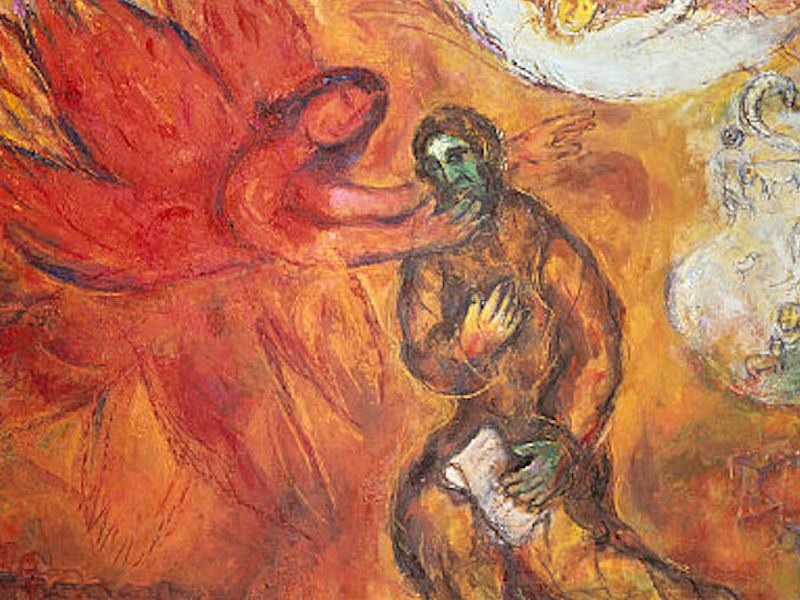
Isaiah

To An Unclean People

The book of Isaiah has a very brief introduction, one verse, and then plunges into a searing indictment of the people of Judah and Jerusalem. They are sons who do not honor their father, worse than donkeys and oxen who at least know their master. They are a bruised and…

by Peter LeithartSeptember 1, 2015

sixteen-miles-out-al48tflf4e8-unsplash
Biblical Studies

Apologia on Reading the Bible, (Part 3)

This is the third of a three-part essay. The Literary Reader As a conclusion to this essay, I want to make some observations that grow out of C. S. Lewis’s remarkable Experiment in Criticism , mentioned in an earlier installment. What Lewis is interested in doing is coming up with…

by James B. JordanAugust 27, 2015
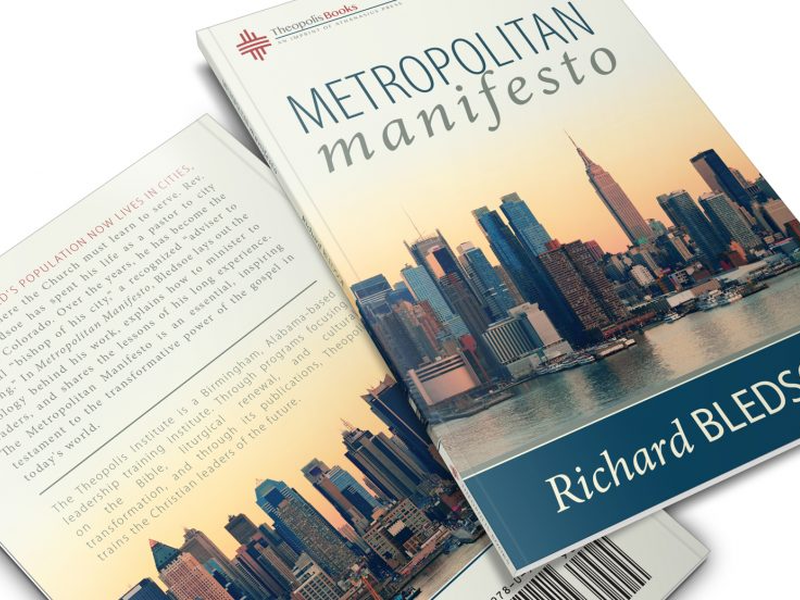
metropolitanmanifesto-3dfrontback-promo-3
Theopolis News

Metropolitan Manifesto: Available Now!

Metropolitan Manifesto, the new work from Theopolis fellow Richard Bledsoe, and first "Theopolis Books" release, is out today! Head over to the Athanasius Press website to get a copy. Half the world's population now lives in cities, and that is where the Church must learn to serve. Rev. Richard Bledsoe…

by Brian MoatsAugust 25, 2015
medievalilluminatedmanuscript
Biblical Studies

Apologia on Reading the Bible, (Part 2)

This is the second portion of a three-part essay. Learning to Read Learning to read the Bible is easier said than done, of course. There are several reasons for this, and they all have to do with the art of reading. Reading is an art and not a science, and…

by James B. JordanAugust 25, 2015
img_1069
Theopolis News

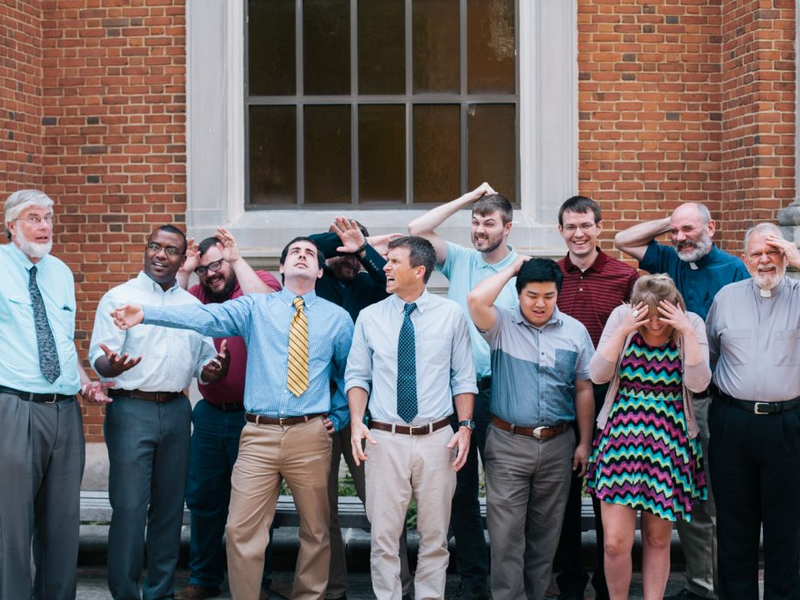
Mission to the City

“It instilled a real and abiding change in the way I understand my life as a disciple of Jesus Christ,” said Clint Hail, a Community Development Coordinator out of Dallas who attended Theopolis’ course on Mission to the City . “The course renovated the way I understand the challenges facing,…

by Brian MoatsAugust 21, 2015
hebrew-manuscript
Hermeneutics

Apologia on Reading the Bible, (Part 1)

What does it mean to read the Bible as inspired literature? The method is not new nor is it uncommon in Dutch Reformed circles. Exegesis must be Christocentric, plenary (all the text serves a theological purpose), respect the context in God’s redemptive plan, and plumb the full literary depth of…

by James B. JordanAugust 20, 2015

Showing page 145 of 309

See all
See all

Word of the Lord

“The Word was God,” says John. Where’d he get that? Genesis 15:1 is the first place where Scripture uses the phrase “word of Yahweh” ( dabar-YHWH ), and already here the use of the phrase hints that the dabar is a person. The word of Yahweh “came” to Abram (15:1,…

October 27, 2008
Uncategorized

Olivi’s timetable

Peter Olivi set out a scheme of prophecy chronology from Adam to Abraham to the destruction of Jerusalem. The accuracy of this is not the point, but rather the claim that the end of the temple was a decisive redemptive-historical event. “Ab Adam usque ad primam primissionem factam Abrahe, Genesis…

October 25, 2008
Uncategorized

Athanasius on nothing

A number of readers have suggested that I was wrongly critical of Athanasius’s claim that without God’s sustenance creation tends toward nothing; I said that this implied that creation has some tendency “independent” of God. The readers point out that Athanasius’s claim is exactly that creation has no independence and…

October 24, 2008
Philosophy

Mystical Encyclopedia

Diderot’s D’Alembert’s Dream develops a mythological monistic materialist ontology in which multiplicity develops from an original “polyp” but where nothing ever becomes really distinct from the whole or from anything else. There is no freedom, no real otherness, no real possibility of love. D’Alembert describes this ontology while masturbating in…

October 24, 2008

Movement toward nothing

Athanasius repeatedly says that created things, having come from nothing, have an inherent tedency to move toward nothing again. They have to be sustained by God to remain in existence. No problem with the conclusion that God keeps things in existence. But the notion that things tend toward nothing seems…

October 23, 2008
History

Medieval Preterism

Peter Olivi is one of a number of medieval exegetes who placed enormous significance on the fall of Jerusalem. In part, this was driven by anti-Jewish polemics; they argued that prophecies foretold that the Messiah would come and the temple sacrifice would be ended - since the temple sacrifice has…

October 23, 2008

Showing page 1457 of 2212

Browse by Category

In Medias Res

Your weekly digest for all things Theopolis.

Donate

Theopolis is nearly 100% donor-supported. Consider joining us on our mission.