Theopolis Logo

Writing

Explore our collection of theological essays, biblical studies, and reflections on faith and culture.

See all
hughes-auditorium-ryan-worthen-1024x576
American Culture

The Affections of Asbury

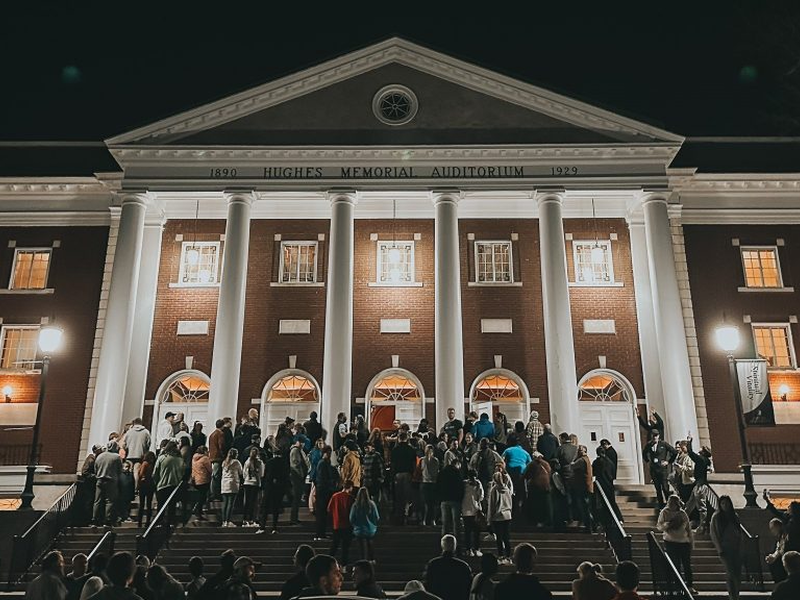
Over the past few days, quite the event has developed at Asbury University down in Wilmore, Kentucky. University students have appeared at the Hughes Auditorium to worship and sing praises to God, which has continued for over 90 hours at the time of this writing. There is recent reporting that…

by Charles JacobiFebruary 16, 2023
screen-shot-2023-02-14-at-1-15-58-pm
Apostle Paul

Paul and Nero

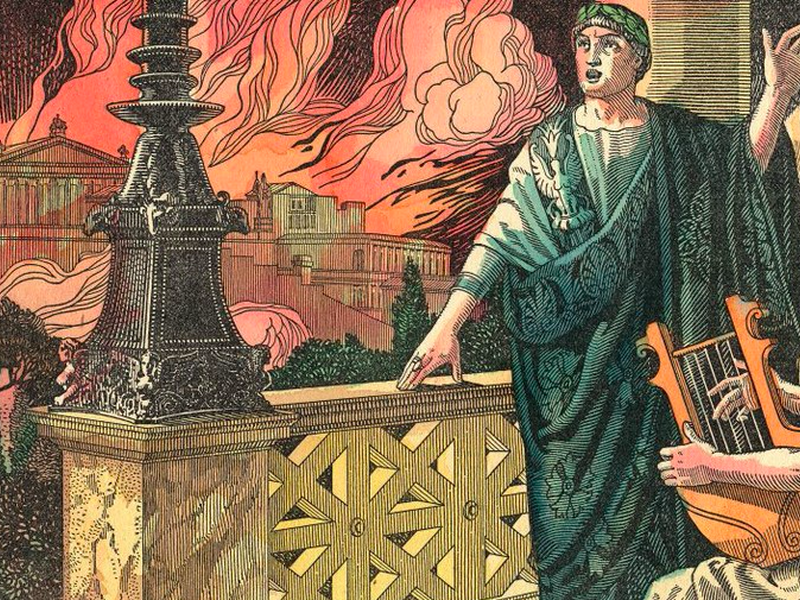
It is well-enough known that Nero was emperor from AD 54 when he was just 16 until his death as a young man of 30 in AD 68, just 14 years later. Paul ministered during most of those 14 years (we are not sure which year he died), accomplishing 3…

by Ralph Allan SmithFebruary 14, 2023
alexander-andrews-c91ls-jk7cw-unsplash
Apostle Paul

For Me to Live is Christ!

When the apostle Paul says, “For me to live is Christ!” (Philippians 1:21), we do not find it difficult to understand. Paul had been a faithful servant of Christ from the time that Christ confronted him on the road to Damascus (AD 30) and through Ananias told Paul that he…

by Ralph Allan SmithFebruary 9, 2023
vino-li-j4jjsfjkhpi-unsplash
Song of Songs

Bridal Song

I think there’s a layer to the Song of Songs which has been largely unexamined. The Song is about Christ and his church, Yahweh and Israel, the nature of the marriage covenant, and the marriage of the couple in the Song. But while the Song is “of Solomon” (or to…

by Daniel StanleyFebruary 8, 2023
screen-shot-2023-02-02-at-10-10-22-am
Biblical Studies

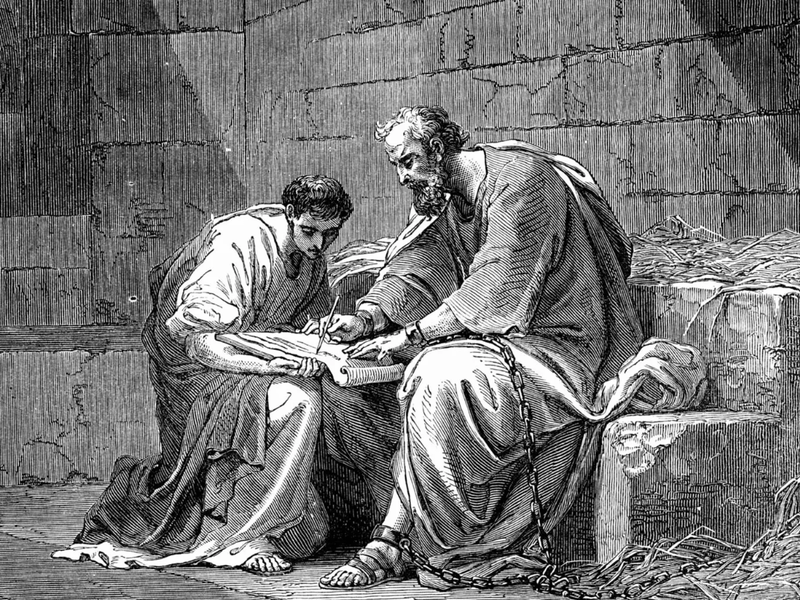
Paul and the Praetorian Guard

In Philippians 1:12-13, Paul informs his beloved brothers in Philippi that his Roman imprisonment — which one would naturally think hindered his ministry and the preaching of the Gospel — actually resulted in the surprising and wonderful progress of the Gospel. Of course, from our perspective 2000 years later and…

by Ralph Allan SmithFebruary 2, 2023
frank-mckenna-cseckew4tm0-unsplash
Biblical Theology

Abraham’s Seed: Heavens, Earth, and Sea Made New

In a recent post , I explored the threefold order of creation—heavens, earth, and sea—and suggested that in Genesis 1 God stamps heaven’s order, his own threefold nature, on the creation, giving earth a trinitarian shape. So what happens to the three-level architecture of creation after Genesis 1? We don’t…

by Josh JensenFebruary 1, 2023

Showing page 34 of 309

See all
See all

Word of the Lord

“The Word was God,” says John. Where’d he get that? Genesis 15:1 is the first place where Scripture uses the phrase “word of Yahweh” ( dabar-YHWH ), and already here the use of the phrase hints that the dabar is a person. The word of Yahweh “came” to Abram (15:1,…

October 27, 2008
Uncategorized

Olivi’s timetable

Peter Olivi set out a scheme of prophecy chronology from Adam to Abraham to the destruction of Jerusalem. The accuracy of this is not the point, but rather the claim that the end of the temple was a decisive redemptive-historical event. “Ab Adam usque ad primam primissionem factam Abrahe, Genesis…

October 25, 2008
Uncategorized

Athanasius on nothing

A number of readers have suggested that I was wrongly critical of Athanasius’s claim that without God’s sustenance creation tends toward nothing; I said that this implied that creation has some tendency “independent” of God. The readers point out that Athanasius’s claim is exactly that creation has no independence and…

October 24, 2008
Philosophy

Mystical Encyclopedia

Diderot’s D’Alembert’s Dream develops a mythological monistic materialist ontology in which multiplicity develops from an original “polyp” but where nothing ever becomes really distinct from the whole or from anything else. There is no freedom, no real otherness, no real possibility of love. D’Alembert describes this ontology while masturbating in…

October 24, 2008

Movement toward nothing

Athanasius repeatedly says that created things, having come from nothing, have an inherent tedency to move toward nothing again. They have to be sustained by God to remain in existence. No problem with the conclusion that God keeps things in existence. But the notion that things tend toward nothing seems…

October 23, 2008
History

Medieval Preterism

Peter Olivi is one of a number of medieval exegetes who placed enormous significance on the fall of Jerusalem. In part, this was driven by anti-Jewish polemics; they argued that prophecies foretold that the Messiah would come and the temple sacrifice would be ended - since the temple sacrifice has…

October 23, 2008

Showing page 1457 of 2212

Browse by Category

In Medias Res

Your weekly digest for all things Theopolis.

Donate

Theopolis is nearly 100% donor-supported. Consider joining us on our mission.