Theopolis Logo

Writing

Explore our collection of theological essays, biblical studies, and reflections on faith and culture.

See all
little-girl
Children

Honor God With Your Body

I am making a new rule in our house! We are actually kind of skimpy on the house rules. I try very hard to keep things simple: love God, love others, be joyful. It’s not complicated to avoid discipline here. But I have found myself repeating this new rule over…

by Lindsey TollefsonApril 9, 2015

giotto-noli-me-3
John

The Gardener and the Beloved, (Part 3)

Click HERE for Part 2 The voice of Jesus transforms and changes Mary when she hears him speak her name. This is her last “turning.” So also the woman in the Song of Songs longs to hear the voice of her beloved. Let me see your face, let me hear…

by Jeff MeyersApril 6, 2015
giotto-noli-me-2
John

The Gardener and the Beloved, (Part 2)

Click HERE for Part 1. The details of this story call the attentive reader back to the drama of Solomon’s Song of Songs. And the Song of Song’s alludes to, ties us into the story of Adam and Eve in the Garden and the promise of a coming Messiah that…

by Jeff MeyersApril 4, 2015
easter-term-2015-2
Theopolis News

Easter Term, 2015

“The course was a paradigm shift for me,” said Jonathan Sedlak, a Milwaukee electrical contractor who attended Theopolis’s course on Revelation. “I am left with a book that is far more practical than it has ever seemed before.” Jonathan Anderson of Louisville, Kentucky found the course “refreshing.” “I finished with…

by TheopolisApril 2, 2015
psalm-singing
Genesis

Worship as Response: Liturgical Logic, (Part 1)

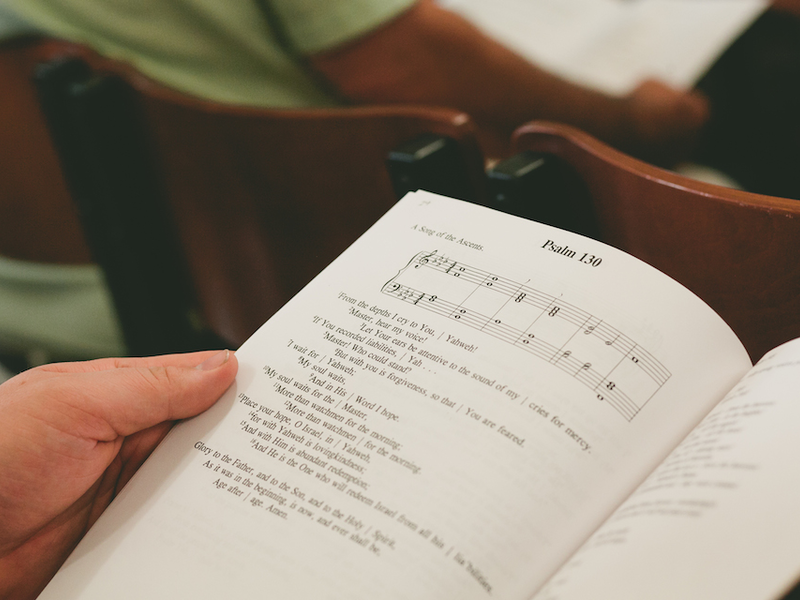
“It is only by participation in a rational, practice-based community that one becomes rational.” – Alasdair MacIntyre It may be perfectly clear to a chef why adding unsifted powdered sugar to a hot frosting is a bad idea. But for an amateur cook, this may be the kind of rule…

by Jonathan BarlowApril 2, 2015
giotto-noli-me
John

The Gardener and the Beloved, (Part 1)

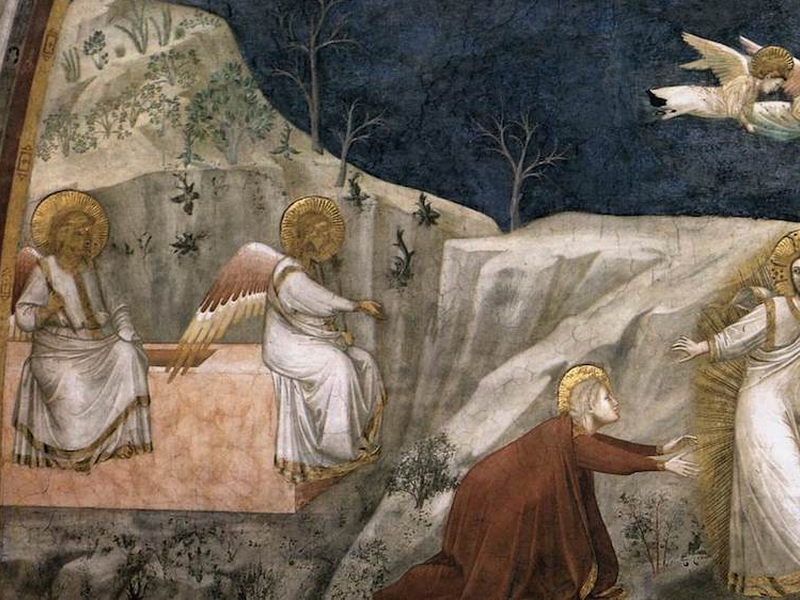
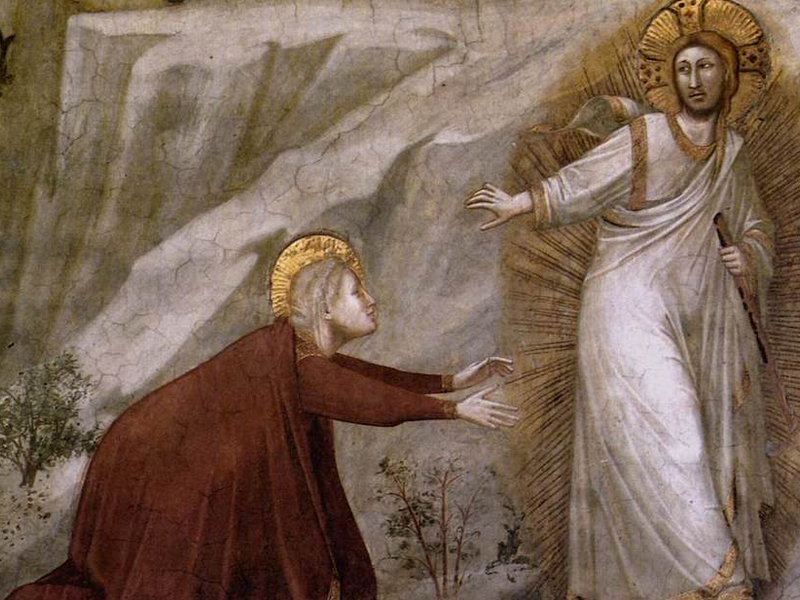
On a fresco in a chapel in Padua, Italy, there is a famous painting depicting the dramatic post-resurrection scene in John 20 with Mary and Jesus outside of the garden tomb. Giotto di Bondone painted it in the early 14th century. Jesus is striding from the tomb with a victor’s…

by Jeff MeyersApril 1, 2015

Showing page 156 of 309

See all
See all

Art of God

Emery points out that Thomas’ Trinitarian account of creation makes the Word the art of God: “The Word is . . . the reason of creatures from a double point of view, that of exemplar causality (the expression, the conception of creatures) and that of efficient causality (the accomplishment of…

September 11, 2008

Creation and Trinity

According to Gilles Emery, Aquinas provides a Trinitarian account of creation. The processions within the being of God are the uncreated exemplars of the acts of creation. Emery (in a contribution to The Theology of Thomas Aquinas ): “In God, procession signified the essential communication of the fullness of divinity:…

September 11, 2008
History

Martyrion to Bios

Anna Wilson has a stimulating essay on the rise of biography after the conversion of Constantine, the Vita Constantini of Eusebius being the leading model. The rise of biography manifests the change in the fortunes of the church, as bios replaced martyrion as the leading subject of Christian biographical writing.…

September 10, 2008

Jesus’ Sabbath

An anonymous homily of the late 4th century: “Scripture has taken the Sabbath to mean rest . . . . So also the Lord having wrought the consummation, having suffered on Friday and finished his works for the restoration of fallen man, rests the seventh day and abides in the…

September 10, 2008
History

Church and State under Constantine

Barnes notes an incident recorded by Sozomen that represents the typical relationship between church and emperor under Constantine. Basil of Ancyra, along with a number of other bishops, was deposed by the Council of Constantinople in 360. It was alleged that Basil”gave orders to the civil authorities to sentence clergy…

September 10, 2008
History

Constantinian freedom

Gibbon wrote that “the distinction of the spiritual and temporal powers, which had never been imposed on the free spirit of Greece and Rome, was introduced and confirmed by the legal establishment of Christianity” with the result that “a secret conflict between the civil and ecclesiastical jurisdictions embarrassed the operations…

September 10, 2008

Showing page 1473 of 2212

Browse by Category

In Medias Res

Your weekly digest for all things Theopolis.

Donate

Theopolis is nearly 100% donor-supported. Consider joining us on our mission.