Theopolis Logo

Writing

Explore our collection of theological essays, biblical studies, and reflections on faith and culture.

See all
tim-marshall-k2u71wv2ei4-unsplash
Modernity

Protestantism and the Postmodern self

Postmodernism has, we are told, “decentered” the modern self, that unified, sovereign, isolated, godlike “thinking thing” discovered by Rene Descartes. The postmodern self is not single but multiple; not sovereign but controlled by external forces; not isolated but “embedded” in the world and in relation; not godlike, but human, all…

by Peter LeithartMay 6, 2013

kiwihug-l4gw27xzn1i-unsplash
Matthew

Law and History: How to Read the Law of Moses (Part 8)

This is the eighth in a series of studies on Deuteronomy 22:30-23:8. And Jesus went out thence, and withdrew into the parts of Tyre and Sidon. And behold, a Canaanitish woman came out from those borders, and cried, saying, Have mercy on me, O Lord, thou son of David; my…

by Ralph Allan SmithMay 1, 2013
screen-shot-2023-09-20-at-7-04-07-am
Augustine

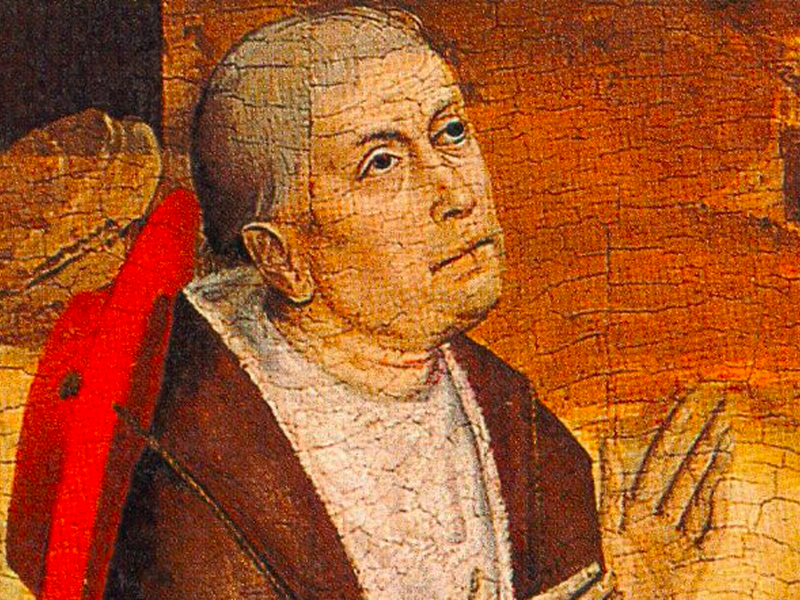
A Cusan Modernity?

The fifteenth-century German Cardinal Nicholas of Cusa led a busy and wide-ranging life. Educated in liberal arts and law at Heidelberg and Padua, Nicholas was a leading figure in the Conciliarist movement, and later served as a papal legate to both Constantinople and throughout Germany. As Bishop of Brixen, he…

by Peter LeithartApril 29, 2013
screenshot-2023-07-27-at-10-25-35-am
Deuteronomy

Law and History: How to Read the Law of Moses (Part 7)

This is the seventh in a series of studies on Deuteronomy 22:30-23:8. Thou shalt not abhor an Edomite, for he is thy brother; thou shalt not abhor an Egyptian, because thou wast a sojourner in his land. The children of the third generation that are born unto them shall enter…

by Ralph Allan SmithApril 25, 2013
ivan-aleksic-16yxcjsoaek-unsplash
Romans

What Advantage the Jew?

A sermon on Romans 3:1-8. 1 Then what advantage has the Jew? Or what is the value of circumcision? 2 Much in every way. To begin with, the Jews were entrusted with the oracles of God. A lot of people speculate here about what kind of advantage Paul is talking…

by Mark HorneApril 22, 2013
screenshot-2023-07-27-at-10-25-35-am
Deuteronomy

Law and History: How to Read the Law of Moses (Part 6)

This is the sixth in a series of studies on Deuteronomy 22:30-23:8. An Ammonite or a Moabite shall not enter into the assembly of Yahweh; even to the tenth generation shall none belonging to them enter into the assembly of Yahweh forever: because they met you not with bread and…

by Ralph Allan SmithApril 17, 2013

Showing page 195 of 309

See all
See all

Art of God

Emery points out that Thomas’ Trinitarian account of creation makes the Word the art of God: “The Word is . . . the reason of creatures from a double point of view, that of exemplar causality (the expression, the conception of creatures) and that of efficient causality (the accomplishment of…

September 11, 2008

Creation and Trinity

According to Gilles Emery, Aquinas provides a Trinitarian account of creation. The processions within the being of God are the uncreated exemplars of the acts of creation. Emery (in a contribution to The Theology of Thomas Aquinas ): “In God, procession signified the essential communication of the fullness of divinity:…

September 11, 2008
History

Martyrion to Bios

Anna Wilson has a stimulating essay on the rise of biography after the conversion of Constantine, the Vita Constantini of Eusebius being the leading model. The rise of biography manifests the change in the fortunes of the church, as bios replaced martyrion as the leading subject of Christian biographical writing.…

September 10, 2008

Jesus’ Sabbath

An anonymous homily of the late 4th century: “Scripture has taken the Sabbath to mean rest . . . . So also the Lord having wrought the consummation, having suffered on Friday and finished his works for the restoration of fallen man, rests the seventh day and abides in the…

September 10, 2008
History

Church and State under Constantine

Barnes notes an incident recorded by Sozomen that represents the typical relationship between church and emperor under Constantine. Basil of Ancyra, along with a number of other bishops, was deposed by the Council of Constantinople in 360. It was alleged that Basil”gave orders to the civil authorities to sentence clergy…

September 10, 2008
History

Constantinian freedom

Gibbon wrote that “the distinction of the spiritual and temporal powers, which had never been imposed on the free spirit of Greece and Rome, was introduced and confirmed by the legal establishment of Christianity” with the result that “a secret conflict between the civil and ecclesiastical jurisdictions embarrassed the operations…

September 10, 2008

Showing page 1473 of 2212

Browse by Category

In Medias Res

Your weekly digest for all things Theopolis.

Donate

Theopolis is nearly 100% donor-supported. Consider joining us on our mission.