Theopolis Logo

Writing

Explore our collection of theological essays, biblical studies, and reflections on faith and culture.

See all
timothy-eberly-djj49s6ud2o-unsplash
Biblical Studies

Whom Shall We Believe? Evangelicals and Scholarship

As we move into the Persian period of ancient history, and try to reconcile it with Daniel’s prophecies, we need to ask some hard questions about the interpretation of the data before us. One question concerns the reliability of the Biblical witness, and beyond that a second question concerns the…

by James B. JordanJanuary 30, 1991
a2-118606403-jpg
Biblical Horizons

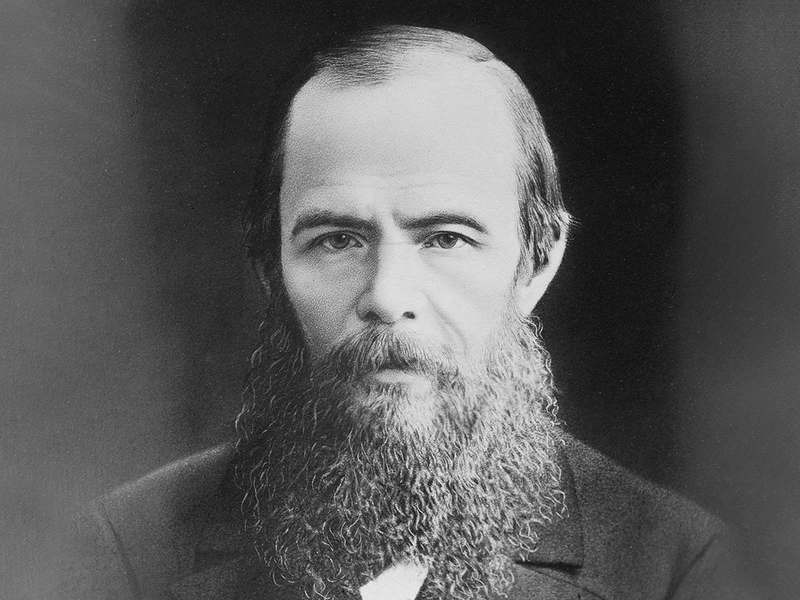
Understanding Russia

Ewa Majewska Thompson: Understanding Russia: The Holy Fool in Russian Culture Ewa M. Thompson is Professor and Chairman of the Department of German and Slavic Studies at Rice University. In this seminal study, she investigates the concept of the "holy fool" as it exists in Russian culture and civilization. While…

by James B. JordanJanuary 30, 1991
alfons-morales-ylswjsy7stw-unsplash-1
Biblical Studies

The Bible and Western Literature

The most cursory glance at the history of Western literature reveals that it has been deeply influenced by the Bible. Some of the greatest classics of Western literature draw their plots, characters, and ideas largely from Scripture; Dante’s Divine Comedy and Milton’s Paradise Lost are two of the most notable…

by Peter LeithartJanuary 23, 1991
screen-shot-2022-04-28-at-4-57-36-pm
Exodus

The Beautiful Child

Each time the Scriptures recount the story of Moses’ birth and deliverance from Pharaoh, reference is made to two facts about that event. First, each text points out that Moses was "beautiful." Second, each text points out that Amram and Jochebed, his parents, hid him for three months (cf. Ex.…

by Peter LeithartJanuary 23, 1991
501819ld-2
Romans

Who Rules the Land? The Meaning of the Noahic Covenant, Part 2

Click HERE for Part 1. The Message of the Covenant Can we really say that the saints presently rule the world, and always have since Noah? Look around and you can see that the wicked rule in virtually every country on earth. There are wicked civilizations that rise Babelically age…

by James B. JordanDecember 30, 1990
hebrew-manuscript-6
Hermeneutics

Daniel’s 70 Weeks

As we saw last time , we have come to the place in the study of Biblical chronology where it seems that we are forced to abandon the Bible itself as our primary source of information. If we assume that the seventy sevens of Daniel 9:24-27 are in fact weeks…

by James B. JordanDecember 23, 1990

Showing page 300 of 309

See all
See all

Art of God

Emery points out that Thomas’ Trinitarian account of creation makes the Word the art of God: “The Word is . . . the reason of creatures from a double point of view, that of exemplar causality (the expression, the conception of creatures) and that of efficient causality (the accomplishment of…

September 11, 2008

Creation and Trinity

According to Gilles Emery, Aquinas provides a Trinitarian account of creation. The processions within the being of God are the uncreated exemplars of the acts of creation. Emery (in a contribution to The Theology of Thomas Aquinas ): “In God, procession signified the essential communication of the fullness of divinity:…

September 11, 2008
History

Martyrion to Bios

Anna Wilson has a stimulating essay on the rise of biography after the conversion of Constantine, the Vita Constantini of Eusebius being the leading model. The rise of biography manifests the change in the fortunes of the church, as bios replaced martyrion as the leading subject of Christian biographical writing.…

September 10, 2008

Jesus’ Sabbath

An anonymous homily of the late 4th century: “Scripture has taken the Sabbath to mean rest . . . . So also the Lord having wrought the consummation, having suffered on Friday and finished his works for the restoration of fallen man, rests the seventh day and abides in the…

September 10, 2008
History

Church and State under Constantine

Barnes notes an incident recorded by Sozomen that represents the typical relationship between church and emperor under Constantine. Basil of Ancyra, along with a number of other bishops, was deposed by the Council of Constantinople in 360. It was alleged that Basil”gave orders to the civil authorities to sentence clergy…

September 10, 2008
History

Constantinian freedom

Gibbon wrote that “the distinction of the spiritual and temporal powers, which had never been imposed on the free spirit of Greece and Rome, was introduced and confirmed by the legal establishment of Christianity” with the result that “a secret conflict between the civil and ecclesiastical jurisdictions embarrassed the operations…

September 10, 2008

Showing page 1473 of 2212

Browse by Category

In Medias Res

Your weekly digest for all things Theopolis.

Donate

Theopolis is nearly 100% donor-supported. Consider joining us on our mission.