Theopolis Logo

Writing

Explore our collection of theological essays, biblical studies, and reflections on faith and culture.

See all
baptism
Baptism

Water, Spirit, and Fire, (Part 1)

John the Baptist says, “I baptize you with water for repentance, but he who is coming after me . . . will baptize you with the Holy Spirit and fire (Mt. 3:11).” Much debate surrounds the nature of this statement and what exactly it prophesies. Sacramental, baptistic, and charismatic Christians…

by Adam McIntoshAugust 16, 2016
jesus-on-cross-rembrandt
Pastoral Ministry

Cruciform Pastoral Care

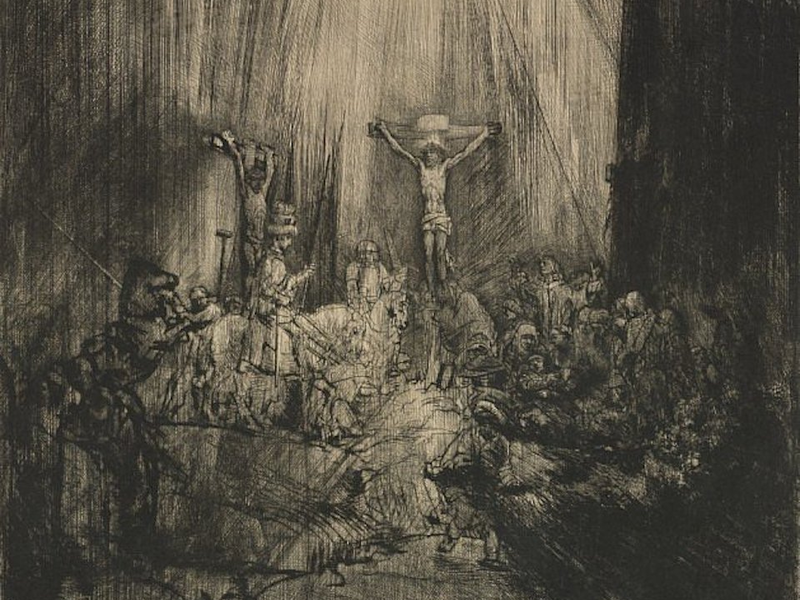
First Corinthians is not considered one of the Pastoral Epistles, but there is much to learn from Paul about pastoring a congregation by the way he writes to the Corinthians. Briefly, 1 Corinthians is an exposition of the cross and resurrection. In the first fourteen chapters, Paul gives an exposition…

by Bill SmithAugust 11, 2016
cross-2
Atonement

Bearing Sin

Fredrik Hagglund ( Isaiah 53 in the Light of Homecoming After Exile (Forschungen Zum Alten Testament) ) argues against the common notion that Isaiah 53 is about the atoning suffering of Yahweh’s Servant. The Servant’s suffering is vicarious (i.e., he suffers for the sins of others) but it is not…

by Peter LeithartAugust 9, 2016
screen-shot-2016-03-31-at-9-32-11-am
Biblical Theology

Brexit and the Binding of Satan: Part 2

With the inheritance of Canaan and the dividing up of this priestly territory among the tribes, Israel became a microcosm of the nations of the world. This division between Israel and the nations as a substitutionary “land and sea” would prevent another global rebellion, and thus another global judgment. ((For…

by Mike BullAugust 4, 2016
paul
Romans

Paul and James on the Meaning of Genesis 15:6

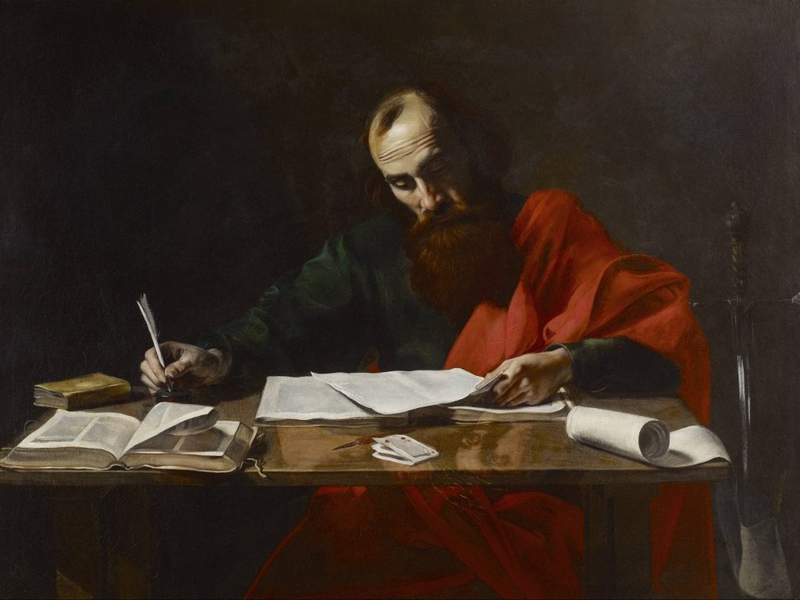
One of the more revealing aspects of Paul and James’ soteriology is the different ways they both use Genesis 15:6 (“And Abraham believed God and it was counted for him as righteousness,”) as a proof text to defend their comments about the gospel. The key observation to make is that…

by Gerald HiestandAugust 2, 2016
img_1456
Biblical Theology

Brexit and the Binding of Satan: Part 1

The disintegration of the EU is not the end of the world. It is a sign that the end of the world is anything but nigh. Western culture as we know it is dying at the hands of usurpers, traitors and prodigals. Even the worst rulers throughout Christian history at…

by Mike BullJuly 28, 2016

Showing page 127 of 309

See all
See all

Expression and content

Umberto Eco ( Limits of Interpretation ) criticizes Barthes’s notion that connotation occurs when “a sign function (Expression plus Content) becomes in turn the expression of a further content.” He argues that “in order to have a connotation, that is, a second meaning of a sign, the whole underlying first…

August 14, 2008

Fat Heart

Isaiah 6:10 says that Isaiah’s ministry will make the hearts of Israel “fat” and their ears “heavy” ( kabad ). The phrasing is unique to Isaiah 6, but the combination of heavy and fat conjures up Eli, who also was going blind. Isaiah 6 is a new Samuel, and like…

August 13, 2008
History

From Creator-creature to Subject-object

MH Abrams notes that at the heart of Romanticism was a transfer of Christian concepts into a new, subjectivist, context: “Much of what distinguishes writers I call ‘Romantic’ derives from the fact that they undertook, whatever their religious creed or lack of creed, to save traditional concepts, schemes, and values…

August 13, 2008

God-like Hirsch

Frank Lentricchia argues that there is “no unmediated historical knowledge,” and adds: “That is reserved for God, or for theorists like Hirsch who believe that objective knowledge can be acquired in a massive act of dispossessing ourselves of the only route to knowledge that we have: the historicized self. What…

August 13, 2008

Sacraments and texts

Roger Lundin notes that modern interpretation often seeks an unmediated encounter with the text, and then adds: “Both Keith Thomas and Charles Taylor trace it, in part, to the Reformation’s anti-sacramental impulses, which fed into the desacralizing of nature that seventeenth-century science and commerce eagerly promoted. The process accelerated through…

August 13, 2008

Another hermeneutical parable

For centuries, piano virtuosos had thrilled audiences with audacious performances of Liszt’s seventh Etude (in G minor, “Eroica”). Liszt scholars had written analyses of the music, and critics had compared various performances to one another and to what they believed was Liszt’s original intention for the music. An industrious Liszt…

August 13, 2008

Showing page 1482 of 2212

Browse by Category

In Medias Res

Your weekly digest for all things Theopolis.

Donate

Theopolis is nearly 100% donor-supported. Consider joining us on our mission.