Theopolis Logo

Writing

Explore our collection of theological essays, biblical studies, and reflections on faith and culture.

See all
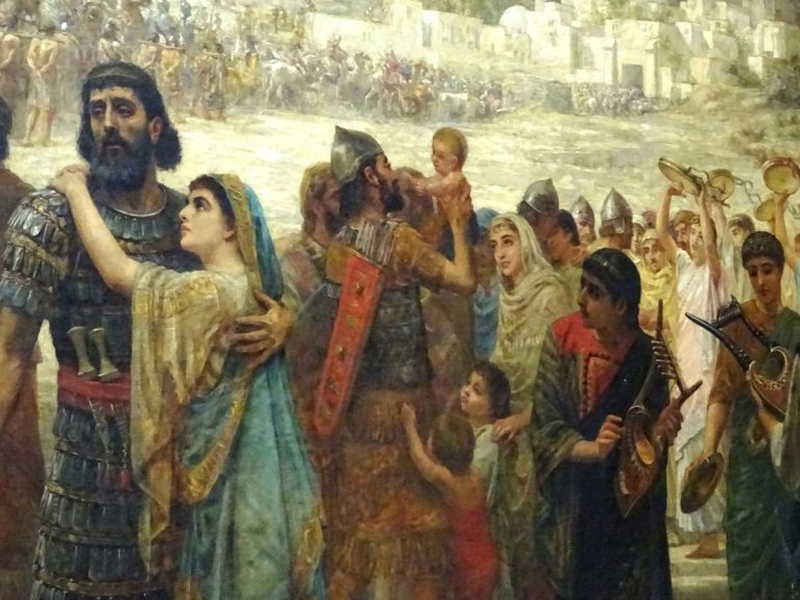
jephthahs-vow-by-edwin-long
Judges

The Jephthah-Jesus Connection

Why there is more to Jephthah than meets than eye It was not that long ago that I realized the Jephthah-story and the Jesus-story were basically the same story. Sounds crazy, I know. But here is a one-paragraph synopsis of both: The people of God have gone their own way,…

by Eric RobinsonDecember 27, 2018

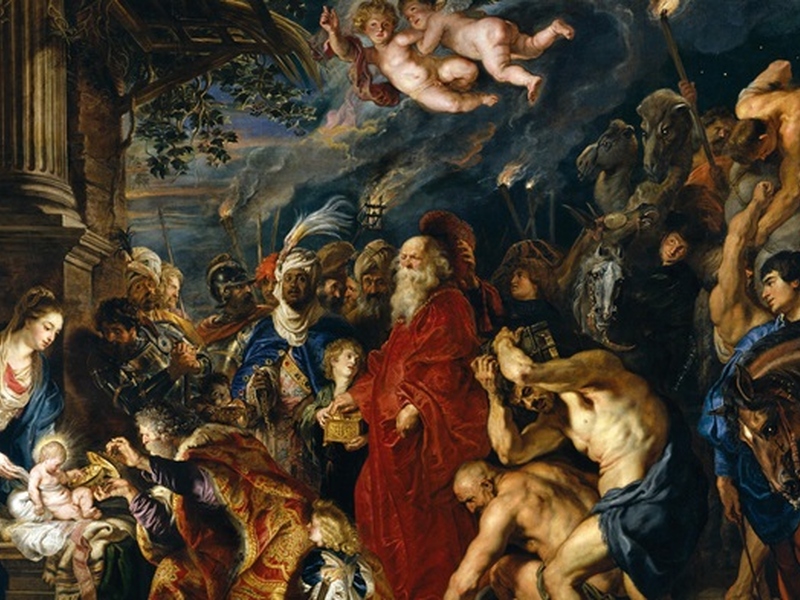
nativity-2
Advent

Jesus Rejoiced

G.K. Chesterton famously said that the Gospels don’t reveal Jesus’ mirth. It’s true we never catch Jesus laughing. But can we believe He never did? I don’t think so. Laughter is human, and Jesus was fully human. Jesus promised that those who mourned would laugh. He mourned; would He not…

by Peter LeithartDecember 25, 2018
74686
Advent

New Exodus

Matthew 2 has all the elements of an exodus story. There’s a murderous king, who slaughters Jewish babies. There’s a infant who will be Israel’s future deliverer, saved from the murderous king so He can later return to save His people and lead them to the Promised land. There’s an…

by Peter LeithartDecember 20, 2018
tpc-worship
Church Calendar

Is the Church Calendar Desirable?

The calendar of Israel was primarily theological, centered on commemorating the salvific acts of God, but also agricultural, celebrating the creation-restoring effects of those salvific acts. The feasts of the first month celebrated the reviving of the world in the Spring, and typified the cutting off of the Savior in…

by James B. JordanDecember 18, 2018
hebrew-manuscript-2
Chiasm

Chiasms and Life

The chiastic shape corresponds to the shape of human life. This should not surprise us, because we are made in the image of God, and God is manifest in Word and Spirit. If we are living epistles, our lives will look a bit like the literary shape of the books…

by James B. JordanDecember 14, 2018
sailing-shop-storm-crop
Biblical Theology

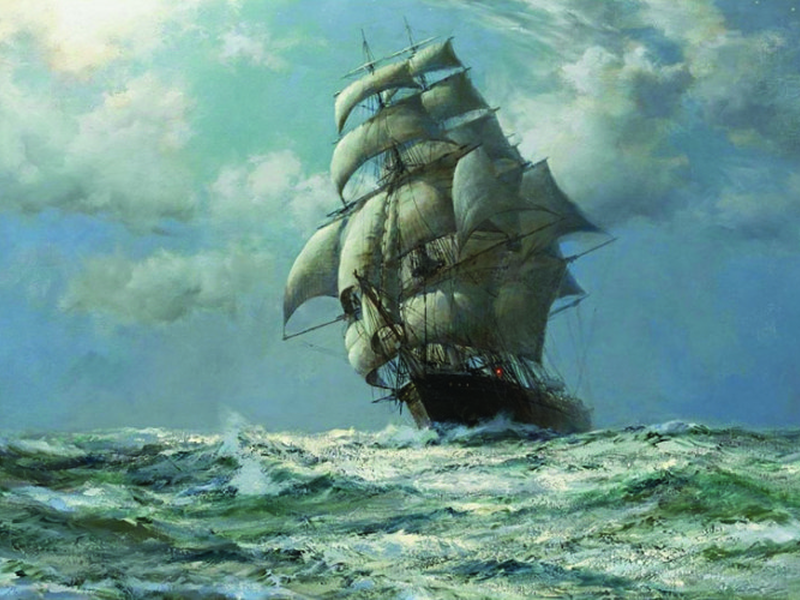
Boat Stories

Back in January, Venkatesh Rao wrote a fascinating post on the Ribbonfarm blog, discussing different forms of models of narrative. Engaging with Ursula LeGuin’s talk ‘The Carrier Bag Theory of Fiction’ , Rao explores her contrast between the (male) ‘hero narrative’ and the (female) ‘carrier-bag story’, and suggests a third…

by Alastair RobertsDecember 11, 2018

Showing page 83 of 309

See all
See all

Music and words

CS Lewis says that language cannot do what music and gesture do, that is, “do more than one thing at once.” He admits that “the words in a great poet’s phrase interinanimate one another and strike the mind as a quasi-instantaneous chord, yet, strictly speaking, each word must be read…

August 4, 2008

Sermon Notes

INTRODUCTION At the middle of Matthew’s story of Jesus, Peter confesses that Jesus is the Christ ( 16:16 ). But he doesn’t yet understand what that means. He still has to learn that being Christ means taking up a cross and losing life to find it. THE TEXT “When Jesus…

August 4, 2008

Showing signs

Matthew uses the word “sign” in only four contexts. In the closely parallel passages 12:38-45 and 16:1-4, the Jewish leaders ask Jesus for a sign; the word is used several times in chapter 24, and a last time in 26:48 to describe Judas’s kiss. Chapters 12 and 16 are obviously…

August 3, 2008

Testing God

Yahweh rained bread from heaven to test Israel, to see if they would follow His instructions (Exodus 16:4). They didn’t follow Him. Instead, they disobeyed the instructions about manna (16:13-21) and turned the tables to put God to the test (17:2, 7). Jesus follows the same pattern. He is Bread…

August 3, 2008

Sign from heaven

The Pharisees and Sadducees ask Jesus for a sign from heaven (Matthew 16:1). The first “signs” in the heavens were the sun, moon, and stars. A sign from heaven is a sign of new creation, and Jesus’ response, alluding to the evening-morning pattern of the creation week, continues the creation…

August 3, 2008
Uncategorized

Etymology rejected?

The tide started turning against the etymologists during the Renaissance. In Praise of Folly , Erasmus mocked the theologians for their obsessions with the minutiae of words: “I met with another, some eighty years of age, and such a divine that you’d have sworn Scotus himself was revived in him.…

August 1, 2008

Showing page 1486 of 2212

Browse by Category

In Medias Res

Your weekly digest for all things Theopolis.

Donate

Theopolis is nearly 100% donor-supported. Consider joining us on our mission.