Theopolis Logo

Writing

Explore our collection of theological essays, biblical studies, and reflections on faith and culture.

See all
e99a9334
Advent

Stretching Christmas

For many people Christmas comes on December 25 and is over December 26. The tree is taken down along with the lights and the other decorations, and everyone begins setting the house in order for the new year. No more Christmas hymns. No more celebrations (well, until New Year’s Eve).…

by Steve WilkinsDecember 24, 2016
ascension
Advent

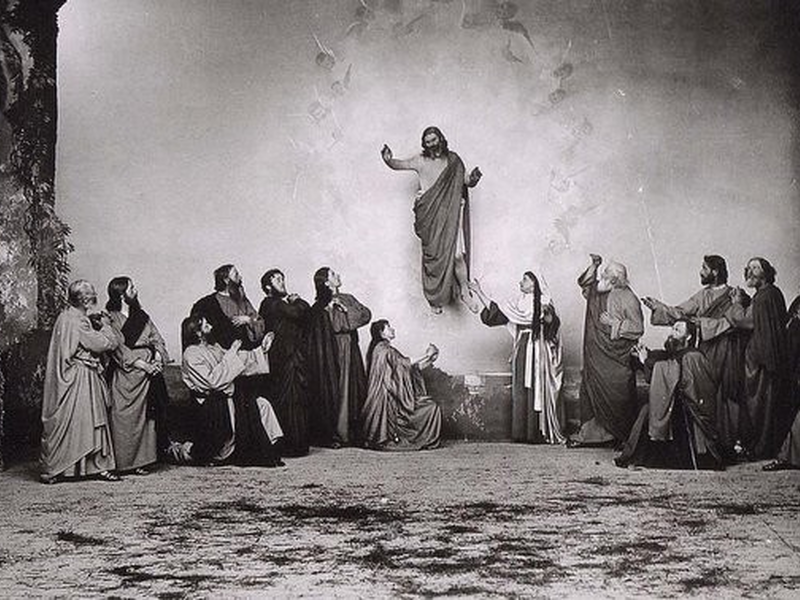
Ascension and Incarnation

The Ascension and the Incarnation should not be disconnected in our Christmas thinking or celebrations. As N.T. Wright notes, the ascension is "a central and vital feature without which all sorts of other things start to go demonstrably wrong. . . . where the ascension has been ignored or misunderstood,…

by Roy AtwoodDecember 23, 2016
nativity-rembrandt
Advent

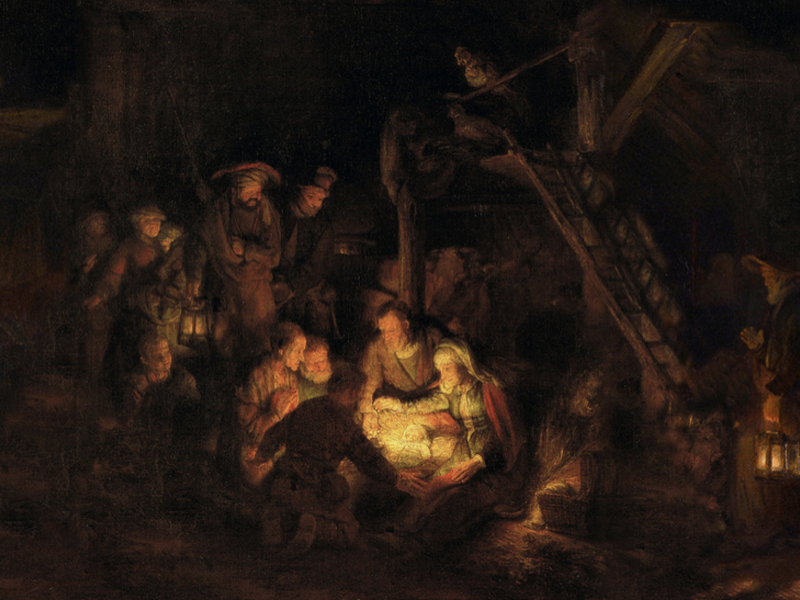
Christmas Light

“In the Word was life, and the life was the light of men. And the light shines in the darkness.” Thus John describes the incarnation of the Son. He comes as the living and life-giving light of the world. That’s good news. In the beginning, God spoke and light shone…

by Peter LeithartDecember 23, 2016
nativity-chagall
Advent

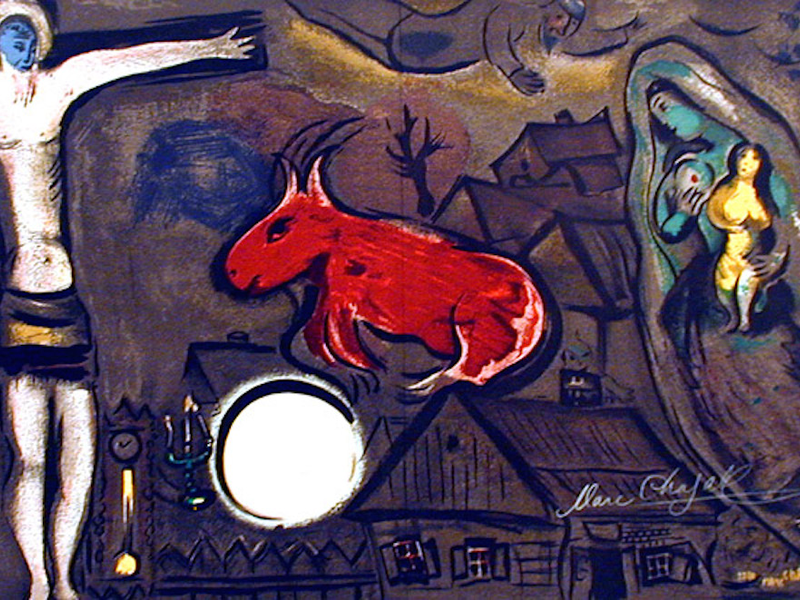
The Spirit of Christmas

Christmas is all about Jesus. The angels announce Jesus’ birth, shepherds and wise men come to see Jesus, Herod wants to kill Jesus. We occasionally think of the Father who sent the Son, but we keep returning to the Son made flesh in Bethlehem’s manger. Meanwhile, as always, the Spirit…

by Peter LeithartDecember 22, 2016
nativity
Advent

The Humility of God

Christmas is about many things, but one of the chief things revealed in the gospel of Christmas is the humility of God. We don't often think of humility as an attribute of God. If God is glorious and exalted, we think, He must be haughty and proud and self-centered. We…

by Peter LeithartDecember 21, 2016
screenshot-2025-12-15-at-8-35-45-am
Advent

Advent of Unity

John famously begins his Gospel with a piece of theology: “In the beginning was the Word, and the Word was with God, and the Word was God.” Matthew starts with a genealogy. John celebrates Advent with a hymn, Matthew with a list. For John, Jesus is the Word of creation…

by Peter LeithartDecember 20, 2016

Showing page 120 of 309

See all
See all

Etymology

Peter Cotterell and Max Turner summarize James Barr’s case against etymology, dismissing TF Torrance’s claims about the links between ekklesia and kaleo , qahal and qol : “Even if qahal derives from qol , ‘voice’, (which is no more than merely possible ) it remains highly questionable whether anyone would…

July 18, 2008

Emotive Speech

Ogden and Richards, whose triangle of signification (word, concept, reference) has had a significant impact in evangelical hermeneutics, begin their book on the “meaning of meaning” by acknowledging that words have other functions than referential, “which may be grouped together as emotive. These can best be examined when the framework…

July 18, 2008

Unending lawsuit

In his book, Liturgies and Trials , Richard Fenn writes, “The individual is perpetually facing judgment by abstract and impersonal criteria that are only partially revealed while always calling into question the individual’s own sense of worthiness . . . the theme of the ‘last judgment’ loses its theological framework,…

July 16, 2008

Justification and modern man

In Arthur Miller’s After the Fall , a character says, “When you’re young, you prove how brave you are, or smart; when what a good lover; then a good father; finally how wise or powerful or what-the-hell-ever. But underlying it all, I see now, there was a presumption. That I…

July 16, 2008

Higher criticism

I like J. Louis Martyn. His commentary on Galatians is a masterpiece, and the other essays I’ve read are all very stimulating. I begin with a disclaimer because what has been called Martyn’s “seminal proposal” concerning the gospel of John is remarkable mainly for the absence of evidence and argument.…

July 16, 2008
History

Civilization of Word

In the introduction to his Elements of Semiology (1964), Roland Barthes argues that for all the icons and images that surround us, we remain a civilization of the word: “Semiology has so far concerned itself with codes of no more than slight interest, such as the Highway Code; the moment…

July 15, 2008

Showing page 1492 of 2212

Browse by Category

In Medias Res

Your weekly digest for all things Theopolis.

Donate

Theopolis is nearly 100% donor-supported. Consider joining us on our mission.