Theopolis Logo

Writing

Explore our collection of theological essays, biblical studies, and reflections on faith and culture.

See all
sodom
Judges

The Levite, the Concubine, and Israel's Story

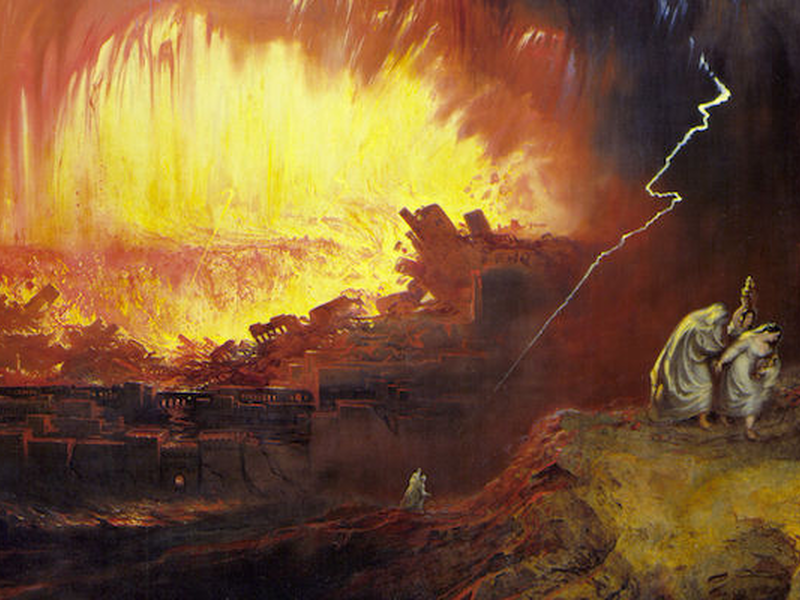
The story of Judges 19 and the subsequent chapters are some of the most shocking and appalling accounts in all of Scripture. The callousness of the old host and the Levite, and the monstrous brutality of the men of Gibeah, leaves us feebly scrabbling for words by which to surmount…

by Alastair RobertsNovember 1, 2016
david-ark-2
Biblical Theology

Adam Ascended

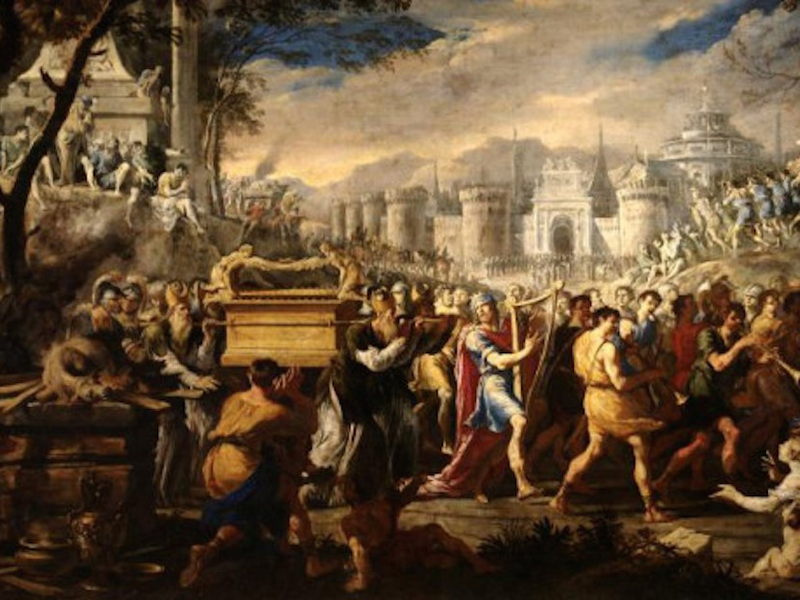
David has become king. He has conquered the capital city of Jerusalem. He has brought the ark of Yahweh into the city and placed it in a tent. He has stationed Levites at the tent to offer sacrifices of praise. An anomaly hits him: He has a cedar-paneled palace, and…

by Peter LeithartOctober 27, 2016
last-supper-2
Eucharist

The Epiclesis in the Reformed Eucharistic Prayer, 3

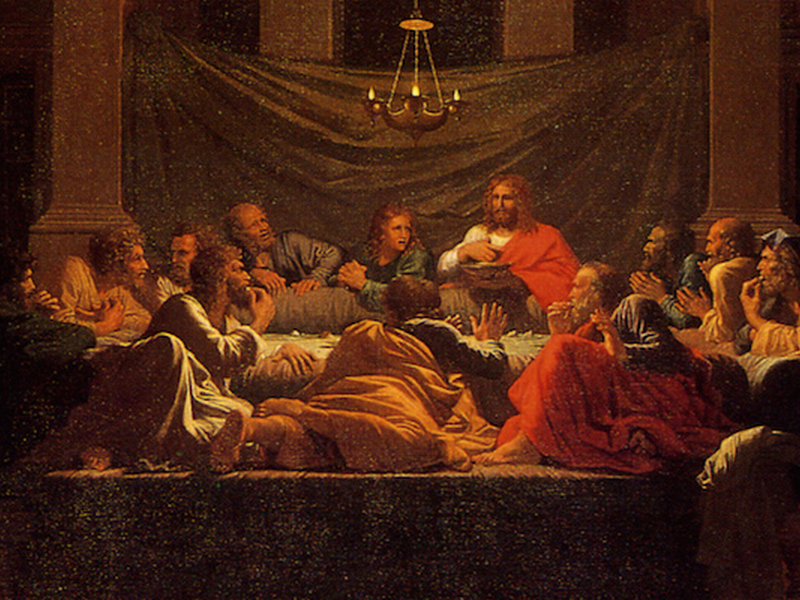
In Part 2 of this series we traced what we have of the development of the epiclesis in the liturgy of the Church. In this third and final part we’ll look at the theological implications of this and how we may apply what we’ve learned. As we saw in Part…

by Christopher KouOctober 25, 2016
jimpreaching
How to Worship

Reformational Catholicism, A Wish List

In a 2014 piece published in First Things , I offered a "wish list" for Protestant churches, a checklist for a future catholic Protestantism. The wish list doesn't cover everything. It doesn't mention those things that Protestants, especially Evangelicals, already do, often exceedingly well, things like missions and evangelism and…

by Peter LeithartOctober 20, 2016
last-supper-2
Eucharist

The Epiclesis in the Reformed Eucharistic Prayer, (Part 2)

In the first part of this series we examined the meaning of “blessing” in Scripture and its parallels in Jewish liturgical tradition, but did not find anything that we could properly call an epiclesis (an invocation of the Holy Spirit). We did find examples of invocation of Jesus to “come”…

by Christopher KouOctober 18, 2016
moses-gives-aaron-priesthood-39465-wallpaper
Baptism

Renewing Circumcision

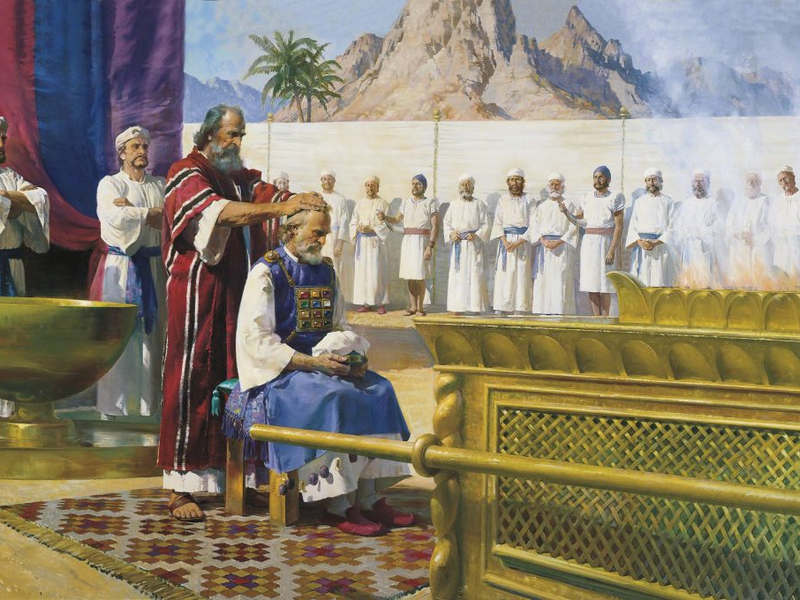
When the Aaronic priests were ordained, the blood of the ram of "filling” was placed on the lobe of the right ear, the right thumb, and the right big toe (Lev. 8:22-24). Similarly, the cleansing rite for a leper included smearing the right ear lobe, thumb, and big toe with…

by Peter LeithartOctober 13, 2016

Showing page 123 of 309

See all
See all

Feuerbach on the Trinity

Feuerbach wrote that the Trinity “is the secret of the necessity of the ‘thou’ for an ‘I’; it is the truth that no being - be it man, God, mind or ego - is for itself alone a true, perfect, and absolute being, that truth and perfection are only the…

July 12, 2008

Googled?

Nicholas Carr asks in the July/August issue of the Atlantic whether Google is making us stupid. He points out that the web tends to scatter attention and diffuse concentration by bringing information from various sources at us all at once. As the web comes to dominate our access to news…

July 12, 2008
Theology

Postmodern imagination

Garrett Green ( Theology, Hermeneutics, and Imagination ) thinks that Feuerbach serves up raw what the masters of suspicion - Marx, Nietzsche, and Freud - cooked and covered with sauces. The fundamental objection to religion in Feuerbach, and in his successors, is the notion that “religion is the produce of…

July 9, 2008
Philosophy

A-Time, B-Time

In his introduction, Ganssle provides a lucid description of McTaggert’s A and B series (or theories) of time: “The B-theory holds that the most important thing about locating events in time is their relation to other events. So something happens before, after or at the same time as something else.…

July 9, 2008
Theology

God and Time

I’ve just begun to look at Gregory Ganssle’s God and Time , but the index worries. In a book about time, there are no entries for “calendar” or “clock.” More worrying, there are only four dispersed references to the Trinity.

July 9, 2008

Direct, Indirect, and Trinity

Richard Swinburne describes God’s omnipresence in these terms: “God is supposed to be able to move any part of the universe directly; he does not need to use one part of the universe to make another part move. He can make any part move as a basic action . .…

July 9, 2008

Showing page 1494 of 2212

Browse by Category

In Medias Res

Your weekly digest for all things Theopolis.

Donate

Theopolis is nearly 100% donor-supported. Consider joining us on our mission.