Theopolis Logo

Writing

Explore our collection of theological essays, biblical studies, and reflections on faith and culture.

See all
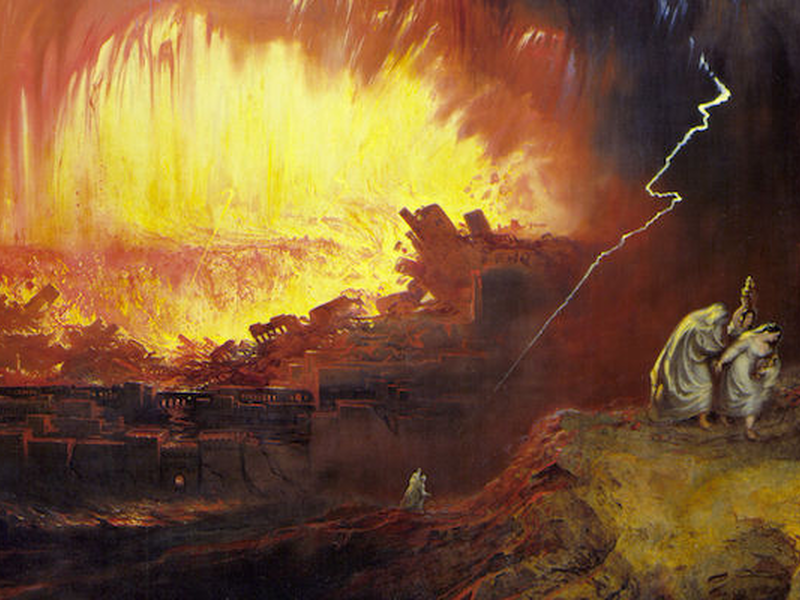
sodom
Judges

The Levite, the Concubine, and Israel's Story

The story of Judges 19 and the subsequent chapters are some of the most shocking and appalling accounts in all of Scripture. The callousness of the old host and the Levite, and the monstrous brutality of the men of Gibeah, leaves us feebly scrabbling for words by which to surmount…

by Alastair RobertsNovember 1, 2016
david-ark-2
Biblical Theology

Adam Ascended

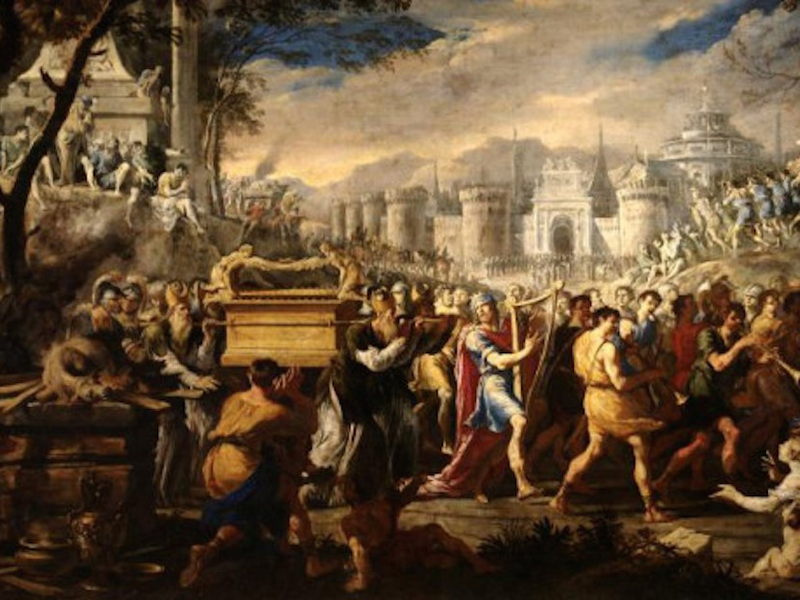
David has become king. He has conquered the capital city of Jerusalem. He has brought the ark of Yahweh into the city and placed it in a tent. He has stationed Levites at the tent to offer sacrifices of praise. An anomaly hits him: He has a cedar-paneled palace, and…

by Peter LeithartOctober 27, 2016
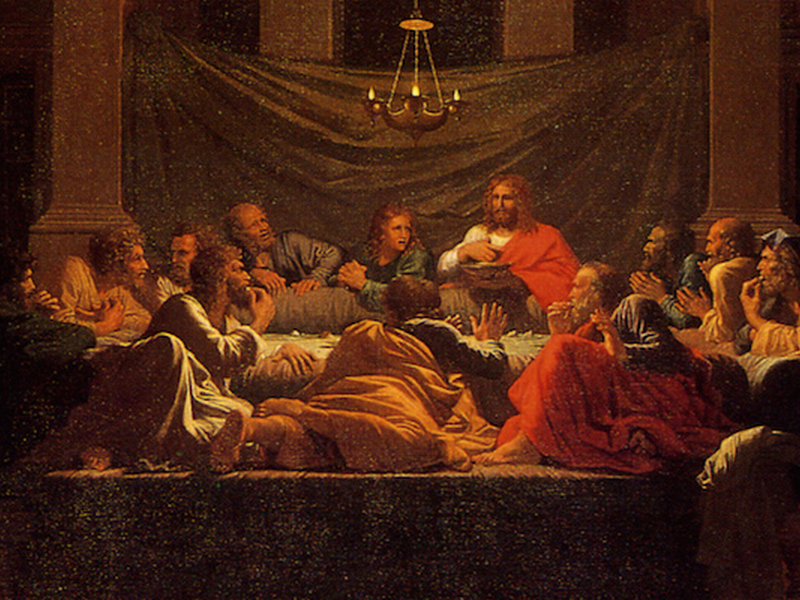
last-supper-2
Eucharist

The Epiclesis in the Reformed Eucharistic Prayer, 3

In Part 2 of this series we traced what we have of the development of the epiclesis in the liturgy of the Church. In this third and final part we’ll look at the theological implications of this and how we may apply what we’ve learned. As we saw in Part…

by Christopher KouOctober 25, 2016
jimpreaching
How to Worship

Reformational Catholicism, A Wish List

In a 2014 piece published in First Things , I offered a "wish list" for Protestant churches, a checklist for a future catholic Protestantism. The wish list doesn't cover everything. It doesn't mention those things that Protestants, especially Evangelicals, already do, often exceedingly well, things like missions and evangelism and…

by Peter LeithartOctober 20, 2016
last-supper-2
Eucharist

The Epiclesis in the Reformed Eucharistic Prayer, (Part 2)

In the first part of this series we examined the meaning of “blessing” in Scripture and its parallels in Jewish liturgical tradition, but did not find anything that we could properly call an epiclesis (an invocation of the Holy Spirit). We did find examples of invocation of Jesus to “come”…

by Christopher KouOctober 18, 2016
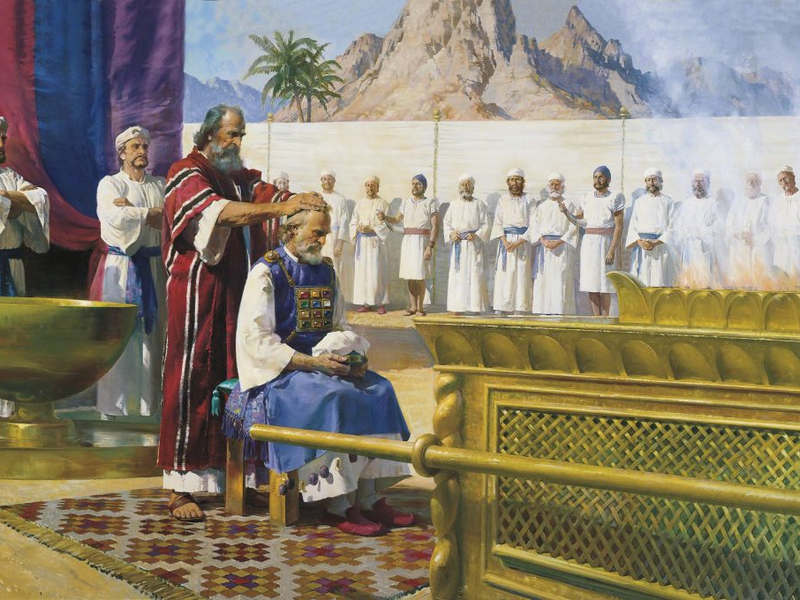
moses-gives-aaron-priesthood-39465-wallpaper
Baptism

Renewing Circumcision

When the Aaronic priests were ordained, the blood of the ram of "filling” was placed on the lobe of the right ear, the right thumb, and the right big toe (Lev. 8:22-24). Similarly, the cleansing rite for a leper included smearing the right ear lobe, thumb, and big toe with…

by Peter LeithartOctober 13, 2016

Showing page 123 of 309

See all
See all

Essential/Accidental Meaning

Gracia’s own suggestion is that we can make sense of the determinateness and indeterminateness of meaning by distinguishing between “essential” and “accidental” meanings: “although texts may have a well-delimited core of meaning (an essential meaning), they may have other meanings that are the result of contingent conditions, such as changes…

June 6, 2008

No Smoking

In the entry on meaning in the Dictionary for Theological Interpretation of the Bible (Baker), Jorge Gracia responds to the view that textual meaning has no limits with this: It is true that “texts are understood by different persons, or even by the same person at different times, to mean…

June 6, 2008

Tallis

Joel Garver writes, in response to several posts from Raymond Tallis’s Not Saussure : “Most post-structuralist authors I’ve read aren’t dealing with things such as cups or trees or rocks, but rather things such as rationality, madness, criminality, virtue, etc. Foucault, for instance, seems to take bodies as ontologically basic,…

June 5, 2008
Literature

Bible and poetry

Fisch yet again: After reviewing the influence of the Old Testament, especially the Psalms, on prose writing in the seventeenth century, he adds: “it is worth bearing in mind that this is not only a matter of the seventeenth century. It is found earlier in the antiphonal plain-song of the…

June 5, 2008
Literature

Hebraic prose

Fisch again: Hebraic prose is different from the grand style of the sixteenth century, and different too from the pared-down plain style shared by many Puritans and all Baconians. It is a rhetoric, not an anti-rhetoric, but it is a rhetoric purified by Puritanism, Senecanism, and scientism. It is biblical…

June 5, 2008
Literature

Jerusalem and Albion

In his 1964 book, Jerusalem and Albion: The Hebraic Factor in Seventeenth-Century Literature , Harold Fisch argues that Blake provides a more insightful and broader account of the seventeenth century’s “dissociation of sensibility” than Eliot, who coined the phrase. For Blake, the great crisis of England was the dissociation of…

June 5, 2008

Showing page 1507 of 2212

Browse by Category

In Medias Res

Your weekly digest for all things Theopolis.

Donate

Theopolis is nearly 100% donor-supported. Consider joining us on our mission.